The New Era of Additive Manufacturing in Dentistry
The dental industry is currently witnessing a tectonic shift in how restorations are conceptualized, designed, and manufactured. While subtractive manufacturing—specifically multi-axis milling—has been the gold standard for zirconia and lithium disilicate for over a decade, additive manufacturing (3D printing) is rapidly maturing beyond its initial role as a tool for models and surgical guides. For the modern dental laboratory, the integration of high-speed, high-resolution 3D printing into the permanent restoration workflow represents the next frontier of efficiency and clinical excellence.
As we navigate 2026, the convergence of advanced polymers, hybrid ceramic resins, and AI-driven nesting software is enabling dental technicians to produce final restorations with a level of precision and speed that was previously unimaginable. This article explores the latest innovations in 3D printing and how they are redefining the additive manufacturing workflow for premium dental laboratories like Cosmetic Smile Studio.
Technological Frontiers: Speed, Precision, and Throughput
The core of the recent 3D printing revolution lies in the evolution of light-based polymerization. While Stereolithography (SLA) laid the groundwork, Digital Light Processing (DLP) and Masked Stereolithography (MSLA/LCD) have become the engines of lab productivity. These technologies allow for the simultaneous curing of entire layers, significantly reducing print times compared to laser-point systems.
High-Resolution DLP and Continuous Liquid Interface Production
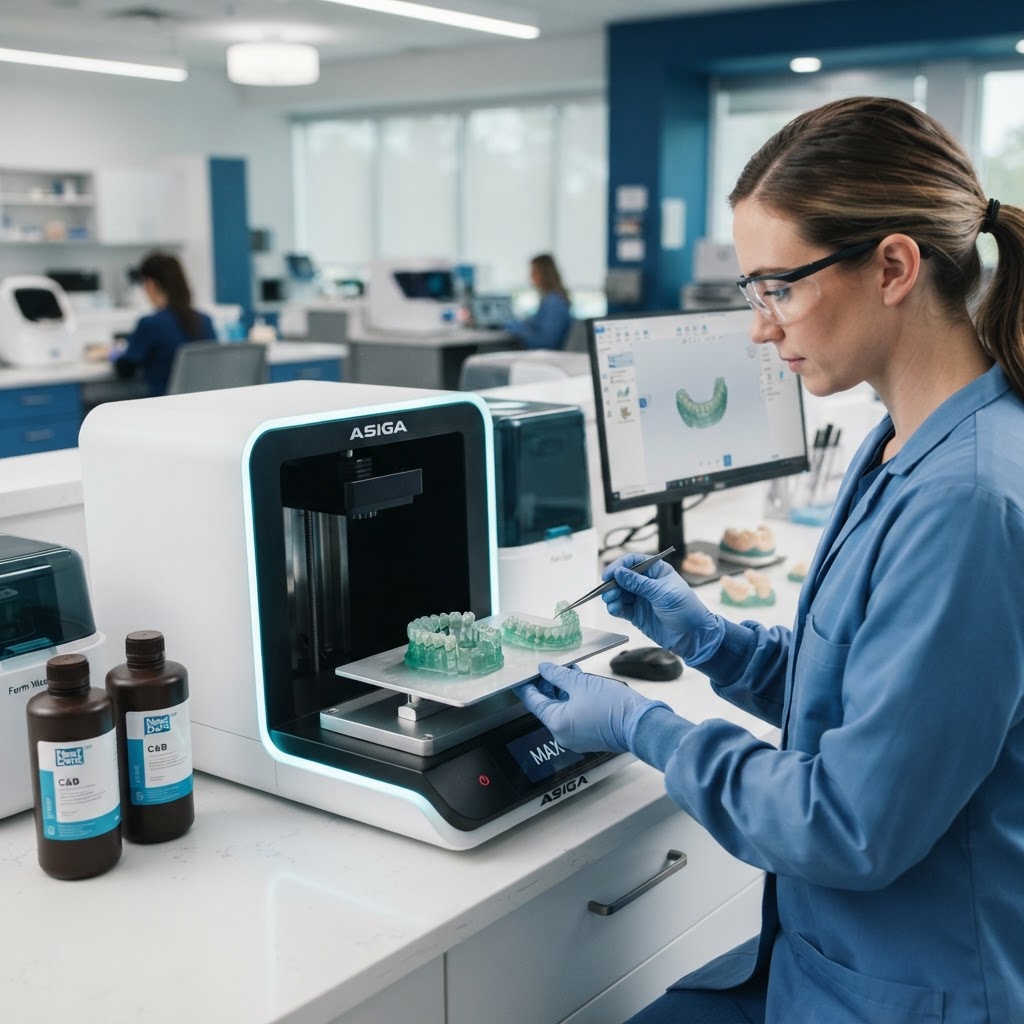
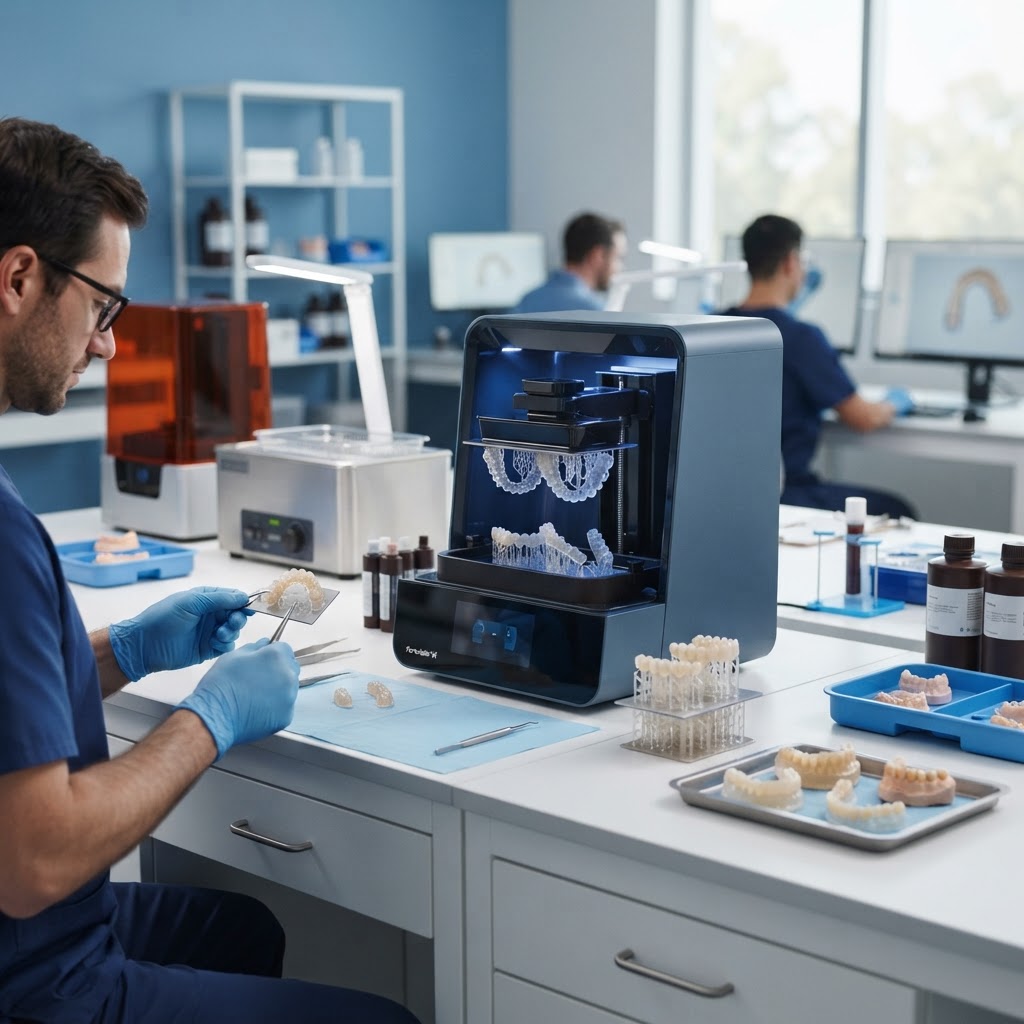
Current innovations in DLP technology focus on pixel-shifting and advanced optics to achieve sub-50-micron accuracy across the entire build plate. Furthermore, technologies similar to Continuous Liquid Interface Production (CLIP) have eliminated the 'peel' cycle, allowing for continuous growth of the printed part. For a dental lab, this means a full arch of temporary or permanent crowns can be printed in under 20 minutes, vastly improving the turnaround time for chairside support and large-scale lab production.
Material Science: The Catalyst for Permanent Restorations
Perhaps the most significant leap in recent years is not the hardware itself, but the materials used within it. The industry has moved past 'temporary' resins toward highly filled hybrid ceramic materials that are FDA-cleared for permanent placement. These materials offer:
- High Flexural Strength: New formulations exceed 150 MPa, providing the durability needed for long-term functional loading.
- Wear Resistance: Advanced resins now mimic the wear characteristics of natural enamel, protecting the opposing dentition.
- Aesthetic Versatility: Multi-chromatic resins and sophisticated staining kits allow technicians to achieve the translucency and shade gradients found in natural teeth.
The ability to 3D print permanent crowns, inlays, and onlays reduces material waste by up to 80% compared to milling from monolithic blocks. This sustainability, combined with lower cost-per-unit, makes additive manufacturing an economically superior choice for many restorative indications.
Streamlining the Additive Workflow: Automation and AI
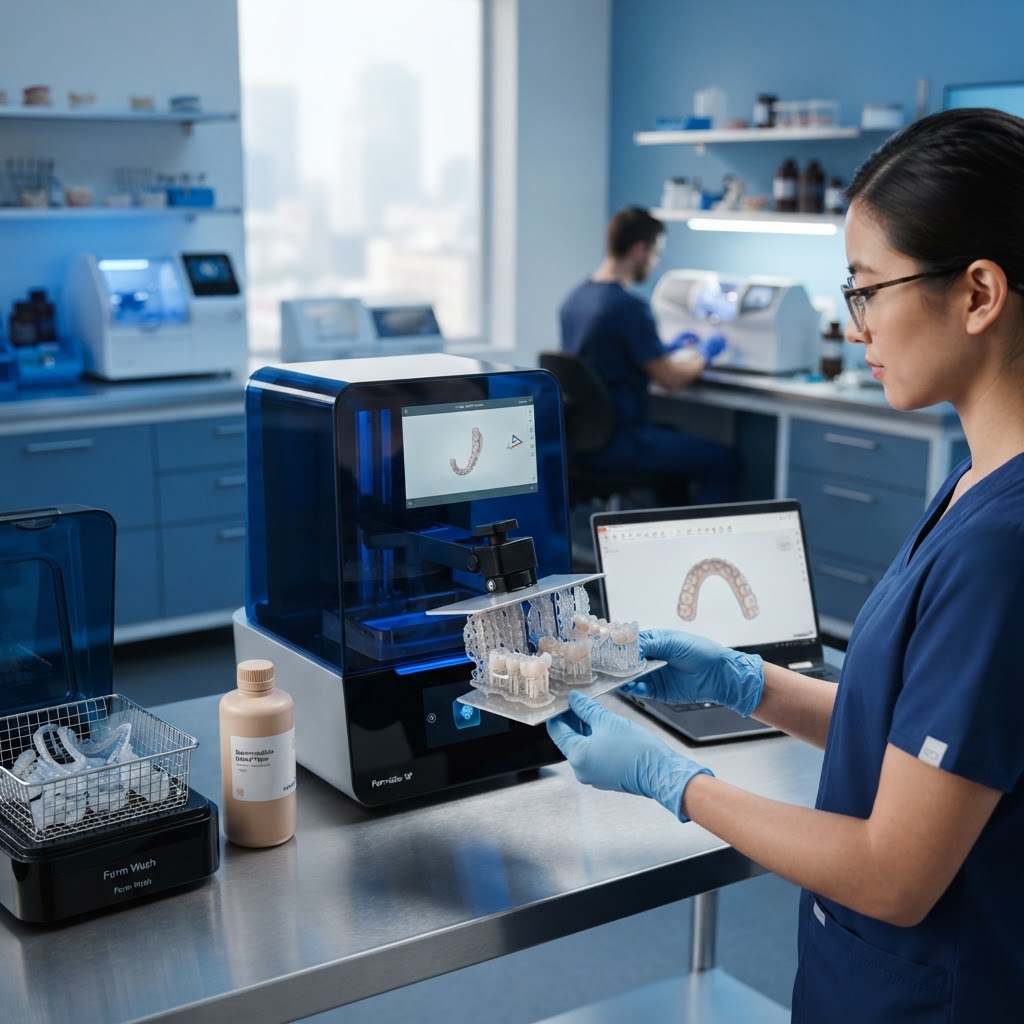
A common bottleneck in dental labs has historically been the post-processing phase—washing, drying, and final curing. The latest innovations in workflow optimization focus on 'lights-out' manufacturing and automated post-processing ecosystems. Modern 3D printing workflows now include integrated wash-and-cure stations that communicate directly with the printer. Once a print is complete, the system automatically adjusts the cleaning time and UV intensity based on the specific resin used, ensuring maximum biocompatibility and mechanical properties every time.
AI-Enhanced Nesting and Support Generation
Artificial Intelligence is now being utilized to automate the nesting process. AI algorithms can analyze the geometry of 3D models to determine the optimal orientation for printing, minimizing support structures and maximizing build plate density. This not only saves material but also reduces the time technicians spend on manual finishing and polishing. For a busy lab, these minutes saved on each arch translate into hours of reclaimed productivity every week.
Practical Insights for Dental Labs and Clinics
To stay competitive in this rapidly evolving landscape, labs and clinics should consider the following actionable strategies:
- Invest in Open Systems: Prioritize 3D printers that allow for third-party resin validation. This ensures you are not locked into a single manufacturer and can leverage the latest material innovations as they hit the market.
- Focus on Post-Processing: Do not overlook the importance of the curing unit. The final strength and color stability of a 3D-printed restoration are heavily dependent on the precision of the UV light intensity and heat during the final cure.
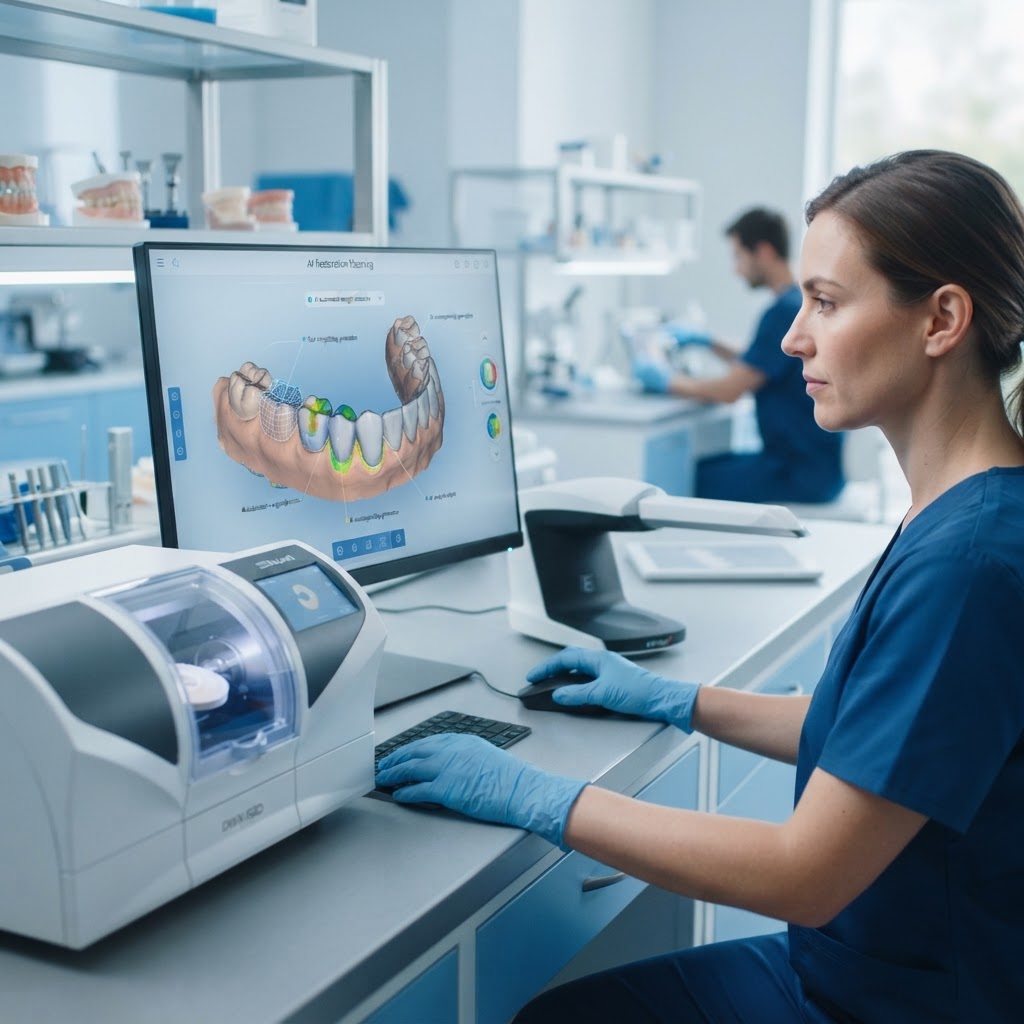
- Adopt a Hybrid Approach: While 3D printing is excellent for many restorations, milling still holds advantages for certain high-translucency zirconia applications. Use the technology that best suits the clinical requirement of the case.
- Digital Integration: Ensure your CAD software (such as exocad or 3Shape) is fully optimized for additive manufacturing, with presets specifically tuned for your printer’s shrinkage and accuracy parameters.
Conclusion: Embracing the Future of Restoration
The transition from subtractive to additive manufacturing is more than just a change in machinery; it is a fundamental shift in the capabilities of the modern dental laboratory. By embracing the latest 3D printing innovations—from high-speed DLP engines to permanent hybrid ceramic resins—dental professionals can deliver restorations that are more accurate, more affordable, and produced faster than ever before. At Cosmetic Smile Studio, we remain committed to integrating these cutting-edge technologies to provide our partners with the highest standard of digital dental solutions. Is your practice ready to leverage the power of additive manufacturing? Partner with us today to experience the precision of the future.