The New Paradigm of Digital Dental Design
For decades, the dental laboratory industry has transitioned from the artistry of wax-ups to the precision of computer-aided design. However, even within the digital landscape, the burden of manual input has remained significant. Dental technicians have spent countless hours clicking, dragging, and refining digital meshes to achieve the perfect occlusion and anatomy. Today, we are witnessing a tectonic shift as Artificial Intelligence (AI) moves from a theoretical concept to a practical, daily tool in the dental laboratory. AI in dental lab design is not just a marginal improvement; it is a total transformation of how we conceptualize and execute restorative planning.
As a premium digital dental laboratory, understanding the integration of AI into CAD/CAM workflows is essential for maintaining a competitive edge. AI algorithms, trained on millions of anatomical scans, are now capable of performing complex design tasks in seconds—tasks that previously took skilled technicians thirty minutes or more. This article explores the current state of AI in restorative dentistry and provides actionable insights for labs looking to harness this power.
The Rise of Generative Design and Automated Morphology
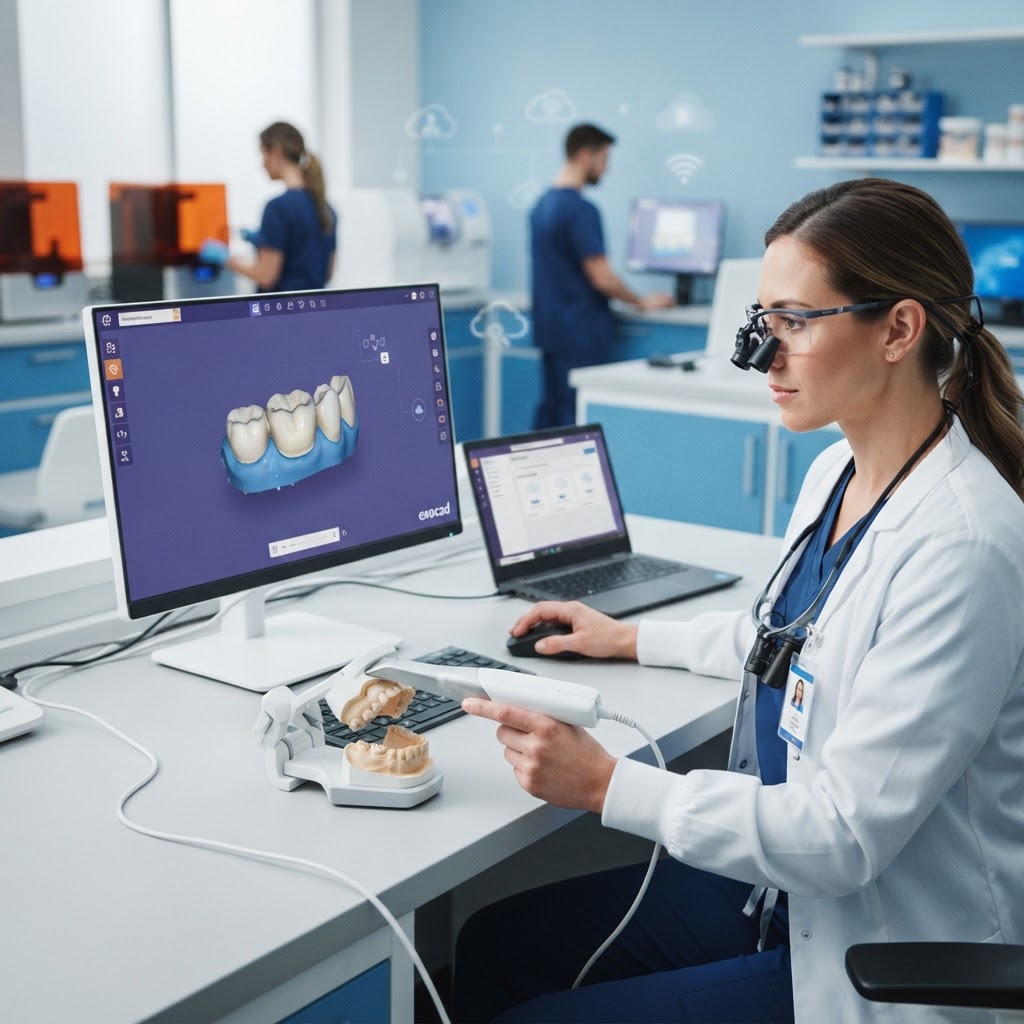
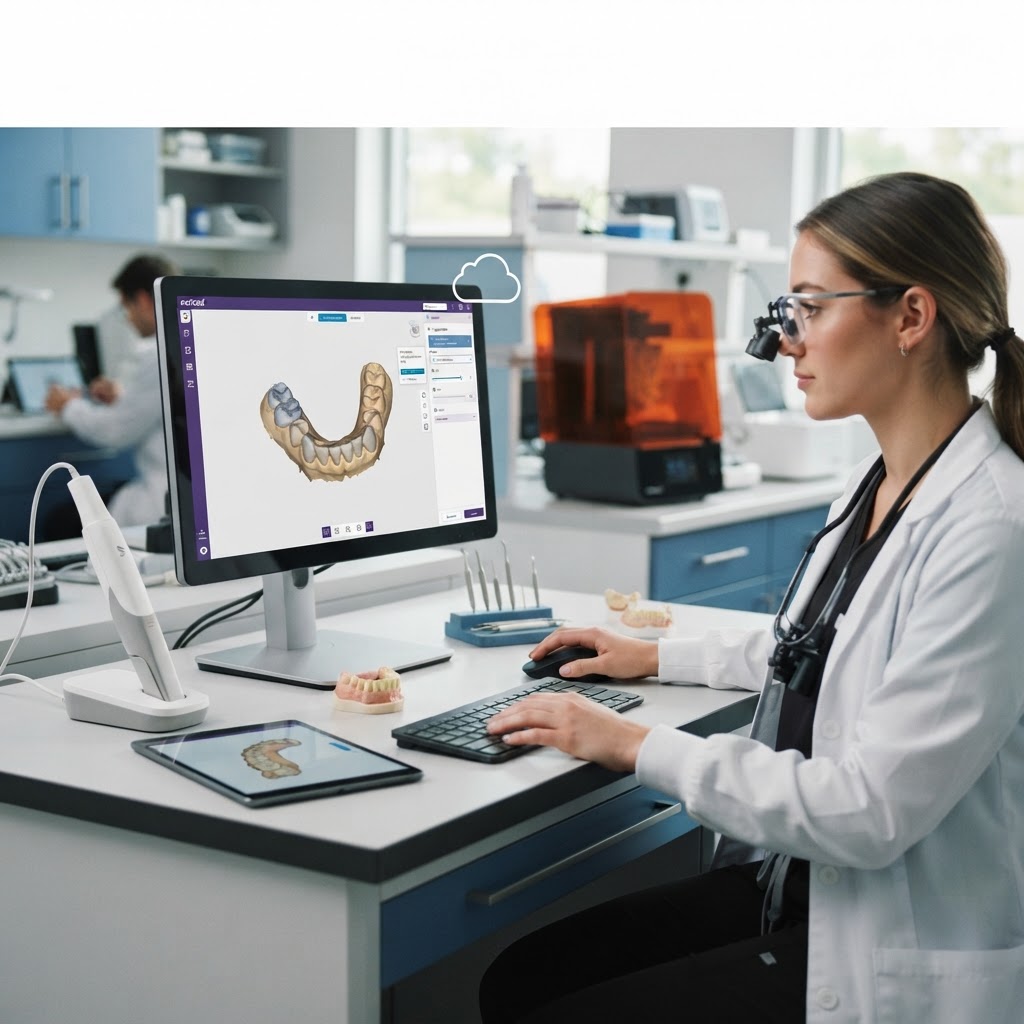
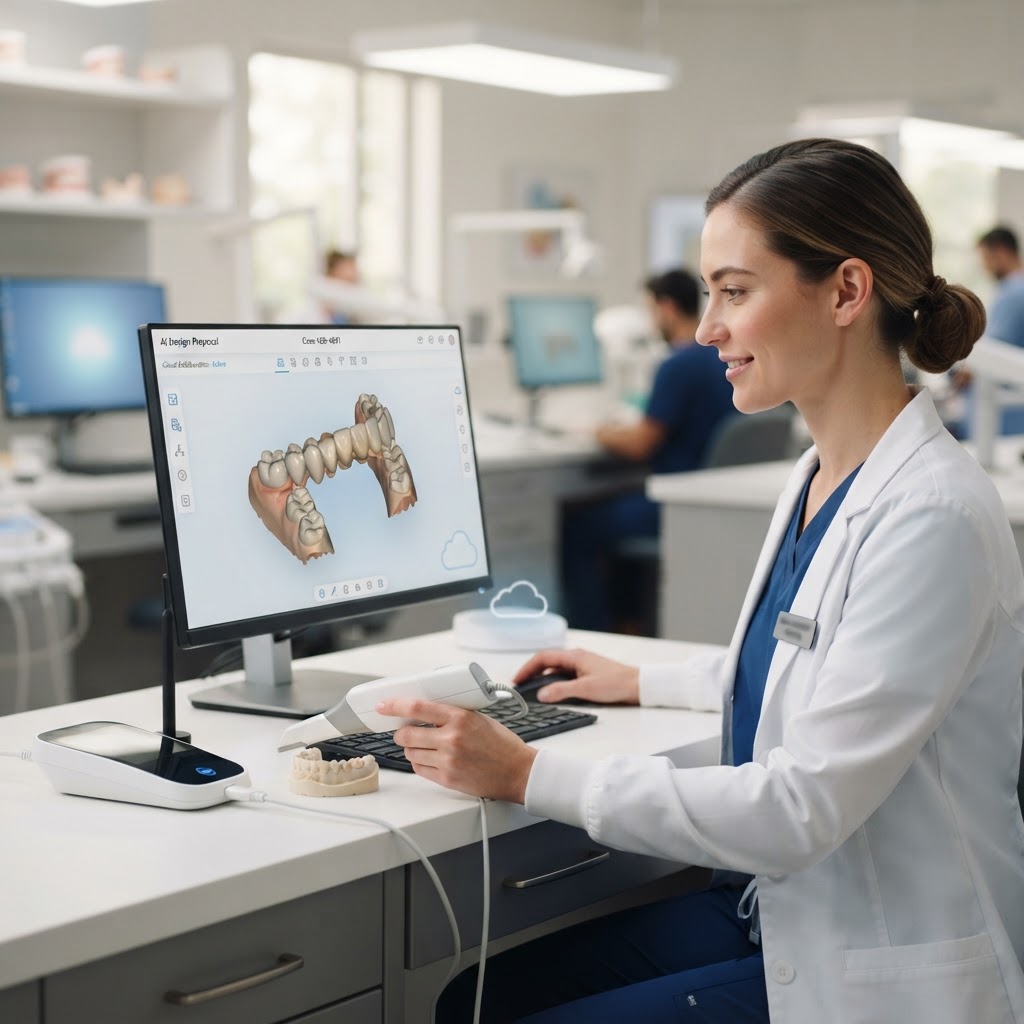
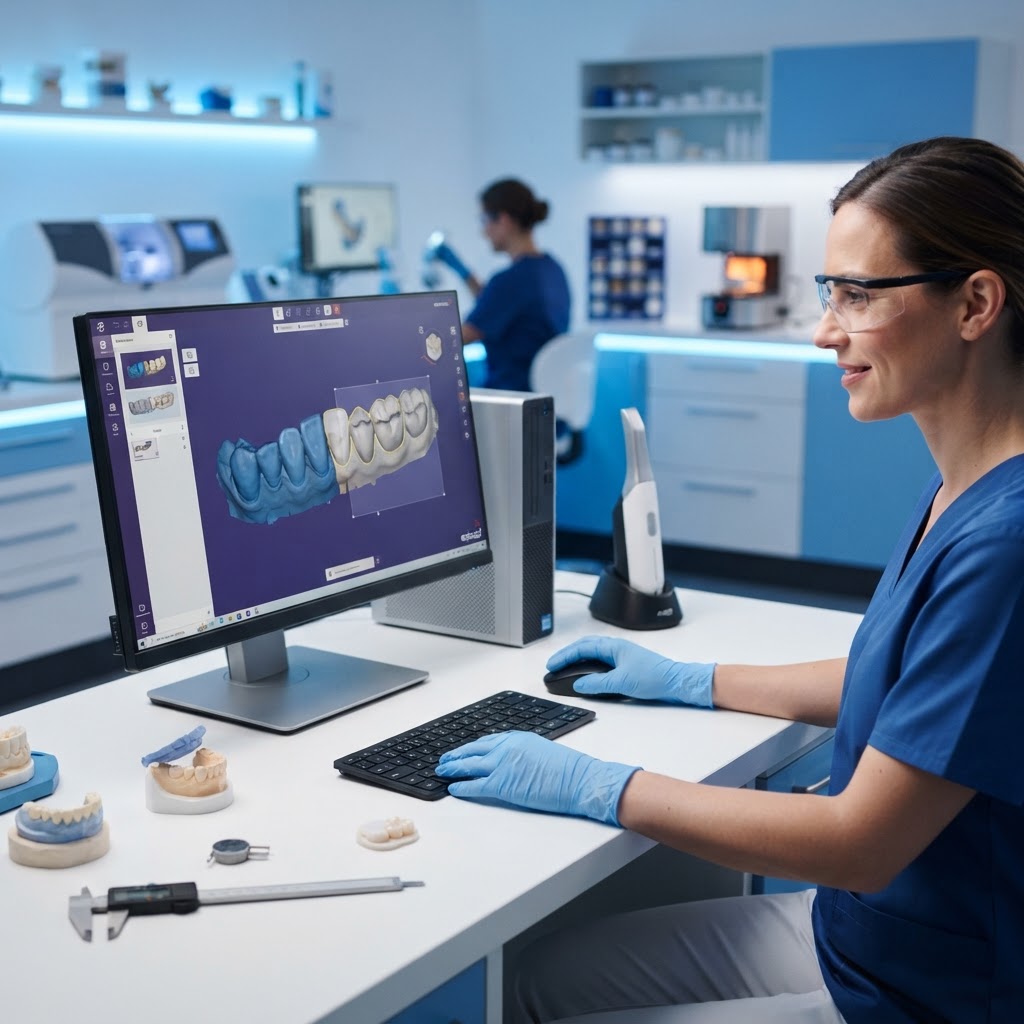
The most visible impact of AI is found within the CAD environment. Traditional CAD software requires the user to select a library tooth and manually adapt it to the patient’s scan. In contrast, AI-driven CAD utilizes generative design. By analyzing the adjacent teeth, the opposing dentition, and the patient’s unique occlusal scheme, AI can propose a restoration that is functionally and aesthetically optimized from the start.
Key Benefits of AI-Driven CAD:
- Automated Margin Detection: AI algorithms can identify finish lines with microscopic precision, reducing the risk of human error and ensuring a perfect marginal fit.
- Anatomical Adaptation: Instead of generic shapes, AI creates 'biogeneric' designs that mimic the natural wear patterns and characteristics of the patient’s existing teeth.
- Instant Occlusal Adjustments: AI can predict dynamic jaw movements to minimize the need for manual grinding after the restoration is milled or printed.
By automating these foundational steps, dental technicians are freed from the 'pixel-pushing' phase of design, allowing them to focus on the final aesthetic touches that require human intuition and artistic sensibility.
Streamlining CAM Workflows: Efficiency Beyond Design
While the design phase receives much of the attention, AI is equally transformative in Computer-Aided Manufacturing (CAM). The logistics of a high-volume lab involve complex nesting, material management, and machine maintenance. AI is now optimizing these backend processes to maximize ROI and minimize waste.
Predictive Nesting and Material Optimization
Nesting restorations in a zirconia disc or a resin vat is a puzzle that requires spatial intelligence. AI-powered CAM software can analyze the geometry of dozens of restorations and determine the most efficient placement. This not only saves material but also optimizes the milling path, reducing the wear and tear on expensive burs and 5-axis spindles.
Predictive Maintenance
Modern milling machines equipped with AI sensors can monitor vibrations and heat patterns. These systems can predict when a spindle is likely to fail or when a tool has reached its effective lifespan. For a dental lab, this means moving from a reactive maintenance model to a proactive one, eliminating the 'downtime' that can derail a clinic’s schedule.
Enhancing the Clinical-Lab Relationship
The integration of AI in lab design directly translates to better outcomes for the dentist and the patient. One of the primary frustrations in restorative dentistry is the 'remake.' AI reduces the variables that lead to failure by ensuring that every design follows strict biological and mechanical rules.
Furthermore, AI-driven communication tools are improving how labs and clinics interact. AI can automatically flag issues in an intraoral scan—such as inadequate reduction or distorted impressions—before the design process even begins. This 'pre-flight check' allows the lab to communicate with the dentist immediately, potentially saving the patient an extra visit and saving the lab the cost of a failed restoration.
The Role of the Technician in the AI Era
A common concern among dental professionals is whether AI will replace the technician. The reality is quite the opposite. AI serves as a powerful 'co-pilot.' While the AI handles the repetitive, data-heavy tasks of creating a functional base, the technician acts as the final arbiter of quality and characterization. The 'human touch' remains irreplaceable for complex aesthetic cases, such as anterior veneers or full-arch rehabilitations, where subtle nuances in translucency and texture are paramount.
Labs that embrace AI are finding that their technicians are more satisfied. They are spending less time on tedious tasks and more time on the high-level restorative work that truly defines a premium laboratory. This shift not only increases productivity but also elevates the professional status of the technician to that of a digital architect.
Implementing AI: A Roadmap for Labs
If your laboratory is looking to integrate more AI-driven workflows, consider the following steps:
- Update Your Software: Ensure you are running the latest versions of Exocad, 3Shape, or specialized AI design modules. Many AI features are 'hidden' in the latest updates.
- Invest in Training: Your staff needs to understand how to guide the AI. Training should focus on identifying when the AI has made a correct proposal and how to refine it efficiently.
- Collaborate with AI-Native Partners: Partner with milling centers and material providers that utilize AI in their quality control processes.
- Leverage Cloud Computing: Many AI design services are cloud-based, allowing for massive processing power without the need for expensive on-site servers.
Conclusion: Embracing the Intelligent Lab
AI is no longer a future prospect; it is the current standard for excellence in the dental industry. By automating the complexities of CAD/CAM and restorative planning, AI allows laboratories to deliver higher precision, faster turnaround times, and more predictable results. For the modern dental lab, the question is no longer whether to adopt AI, but how quickly it can be integrated to better serve the needs of clinicians and patients alike.
At Cosmetic Smile Studio, we stay at the forefront of these technological advancements to ensure every restoration we produce meets the highest standards of digital accuracy. Contact us today to learn how our AI-driven workflows can enhance your practice’s restorative outcomes.