The Evolution of Additive Manufacturing in Contemporary Dentistry
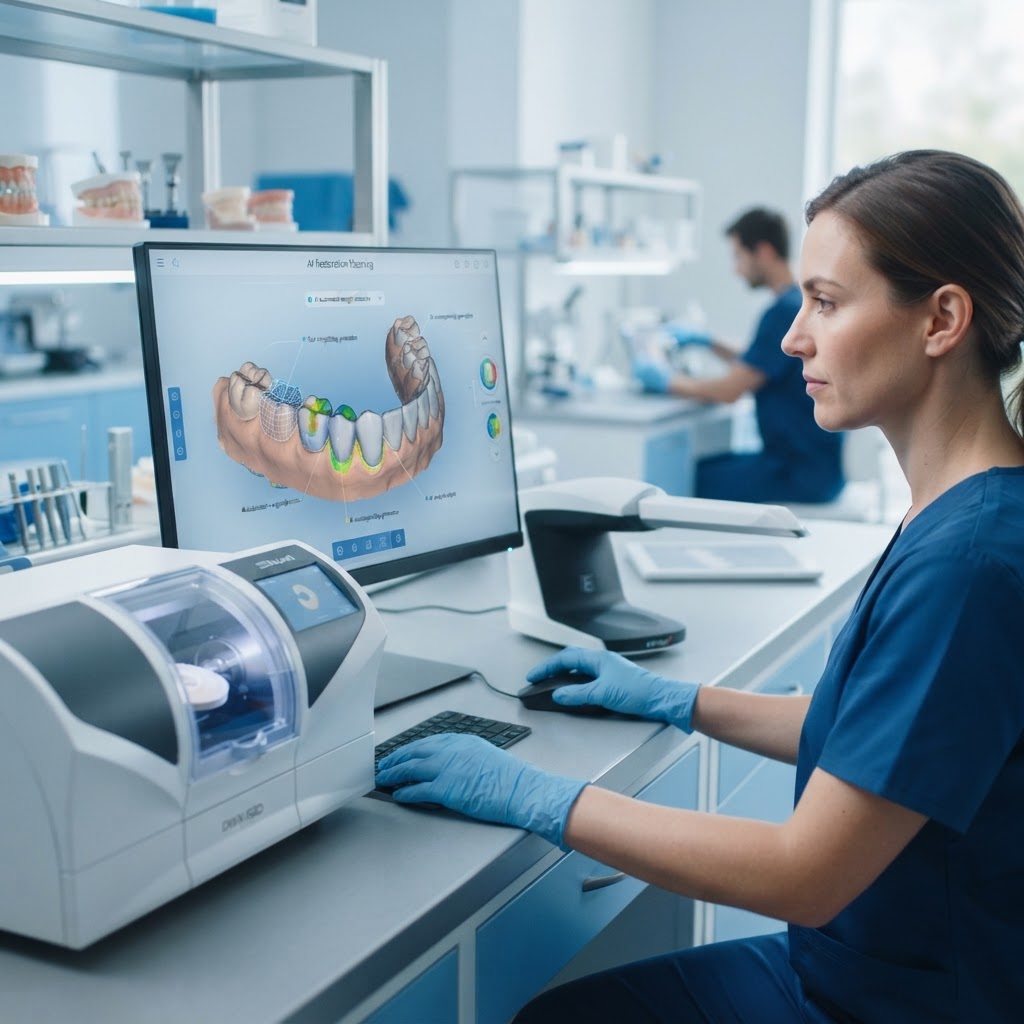
The dental laboratory landscape is currently undergoing its most significant transformation since the introduction of CAD/CAM milling. While subtractive manufacturing—milling—remains a vital component of the restorative process, additive manufacturing has matured from a simple prototyping tool into a primary production method for final restorations. The current era of 3D printing is defined by material science breakthroughs and hardware speeds that were unthinkable a decade ago. For the modern dental lab, staying competitive in a high-demand market means transitioning from a subtractive mindset to an additive-first workflow, leveraging the efficiency and precision of next-generation 3D printing technologies.
The Shift to Permanent Restorative Resins
Perhaps the most significant innovation in recent years is the emergence of FDA-cleared, ceramic-filled resins designed for long-term clinical use. Unlike the early generation of brittle, temporary materials, today's high-performance polymers offer a unique blend of flexural strength, wear resistance, and lifelike aesthetics. Products such as VarseoSmile Crown plus and the latest ceramic-dominant resins from industry leaders like SprintRay and Desktop Health have opened the door for printed permanent crowns, inlays, onlays, and veneers.
- High Ceramic Content: New-age restorative resins contain significant volumes of ceramic fillers, often exceeding 50% by weight. This composition provides the mechanical properties necessary to withstand the rigorous forces of the masticatory cycle.
- Polishing and Aesthetics: Advances in material chemistry allow these resins to be finished to a high luster, mimicking the natural translucency and light-refraction properties of human enamel and dentin.
- Biocompatibility and Stability: Modern resins undergo rigorous testing to ensure long-term stability in the oral environment. These materials are engineered to resist staining and degradation, ensuring that the restoration maintains its integrity for years.
Hardware Innovations: Beyond Traditional SLA
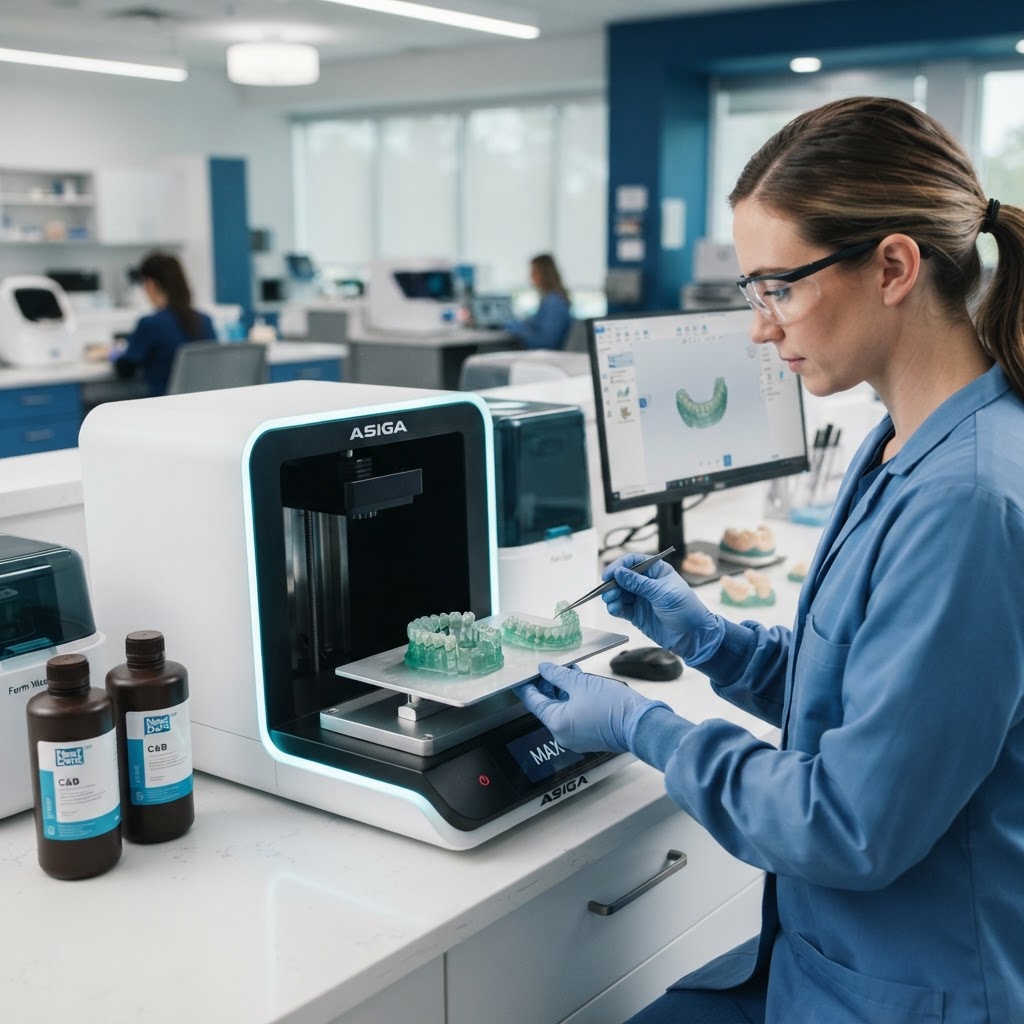
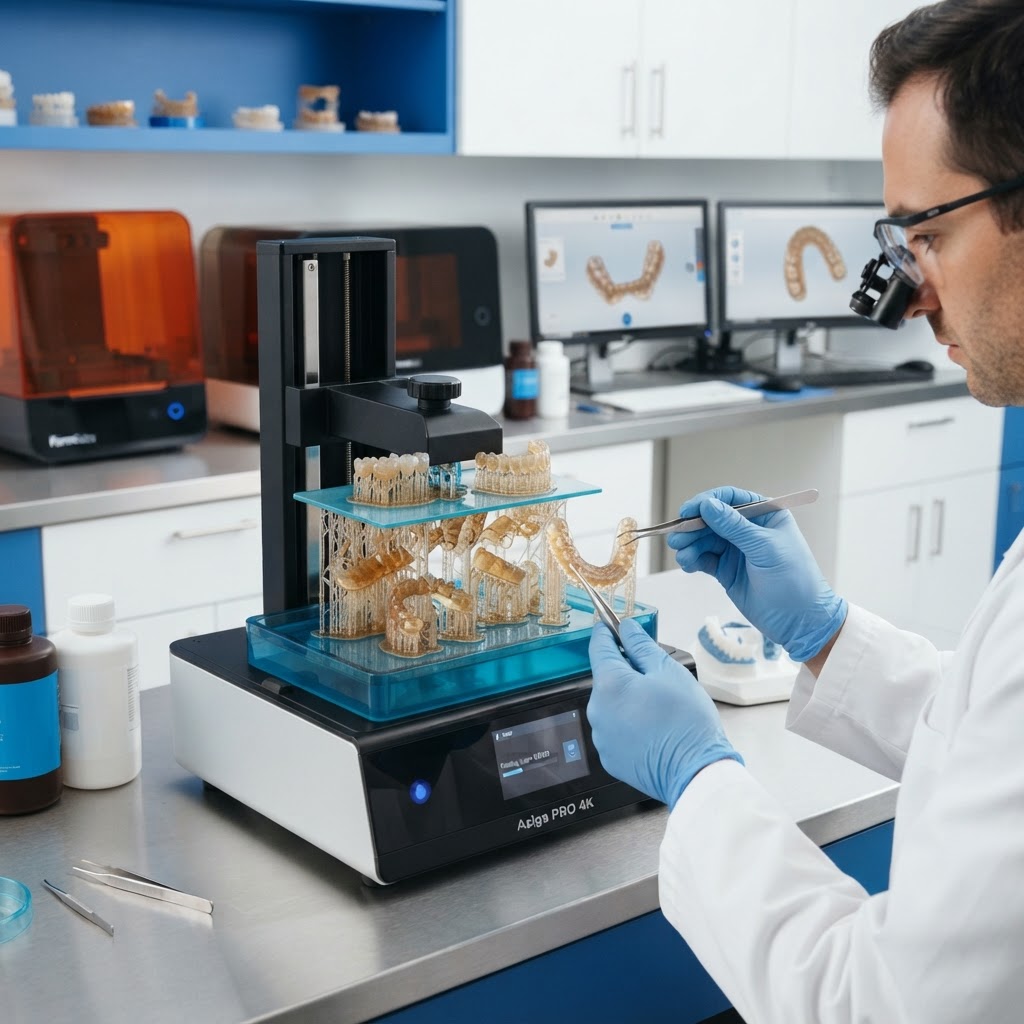
As materials have evolved, so too has the hardware used to process them. We are seeing a decisive move away from traditional Stereolithography (SLA) toward faster, more precise technologies like Digital Light Processing (DLP) and Masked Stereolithography (MSLA). These systems use light-emitting diodes (LEDs) and liquid crystal displays (LCDs) to cure entire layers of resin simultaneously, which drastically reduces print times without compromising on the micron-level accuracy required for margin fit.
High-Speed Printing and Throughput
Innovative companies like Nexa3D and Carbon have introduced ultra-fast printing protocols that allow labs to produce dozens of units in under 30 minutes. This throughput is essential for high-volume labs managing hundreds of cases per day. The integration of high-intensity light engines and advanced oxygen-permeable membranes allows for continuous liquid interface production, eliminating the traditional 'peel' cycle that previously slowed down additive processes. For the dental technician, this means the ability to pivot quickly, re-printing a case in a fraction of the time it would take to re-mill a zirconia block.
Automated Post-Processing: Ensuring Consistency
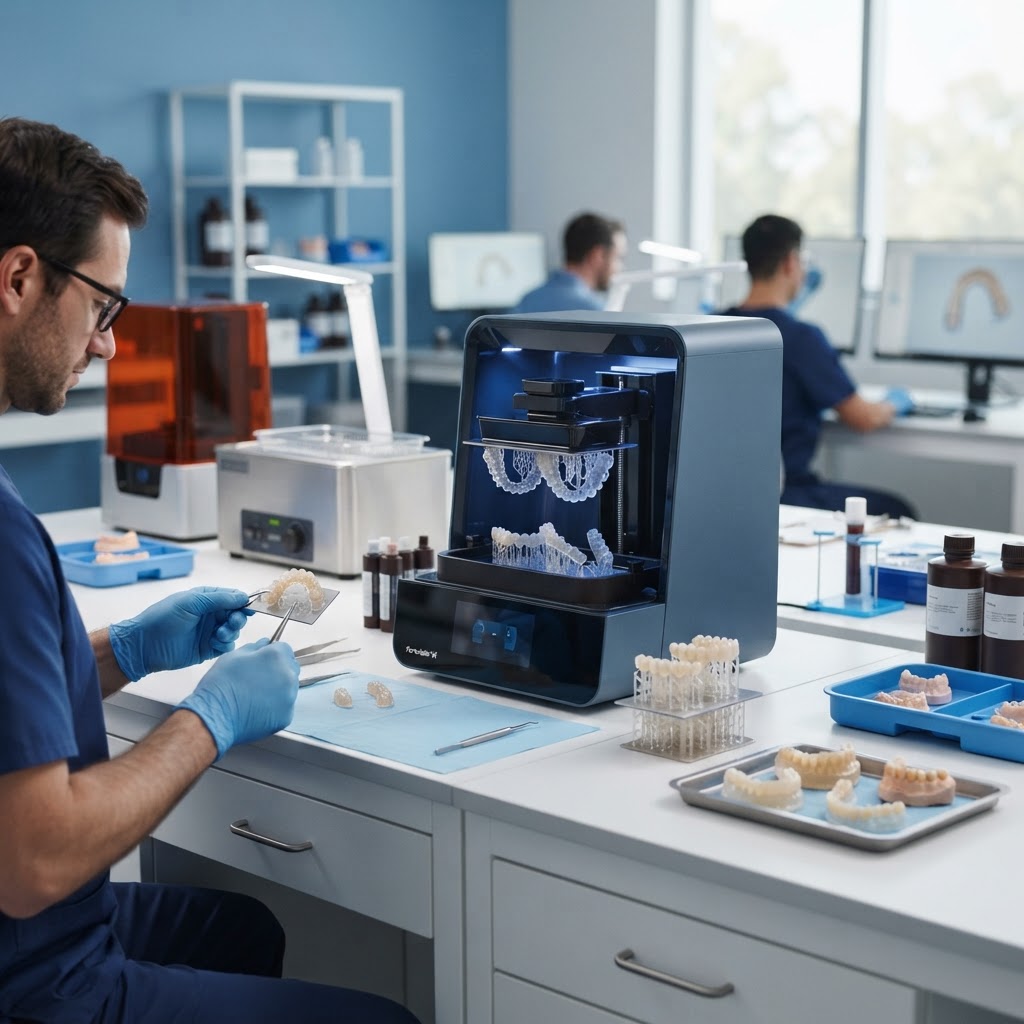
One of the historical bottlenecks in the additive manufacturing workflow has been post-processing. Washing, drying, and curing printed parts required significant manual labor and introduced human variables that could affect the final restoration's fit and physical properties. However, the latest innovations include fully automated post-processing units that take the guesswork out of the cycle.
- Validated Workflows: Leading manufacturers are now offering validated ecosystems where the printer, resin, and curing unit are all calibrated to work in unison. This ensures that the final product meets the mechanical specifications intended by the manufacturer.
- Labor Efficiency: Automation allows lab technicians to focus on high-value tasks like staining, glazing, and quality control rather than managing cleaning tanks and manual timers.
- Nitrogen Curing Environments: High-end curing units now utilize nitrogen-enriched environments to eliminate oxygen inhibition, resulting in a harder surface finish and improved biocompatibility.
The Rise of Monolithic 3D Printed Dentures
Denture production was once one of the most labor-intensive processes in the dental lab. Today, additive manufacturing has revolutionized this workflow. The introduction of high-impact denture base resins and premium tooth resins allows for the creation of monolithic or bonded 3D printed dentures that rival the strength and aesthetics of traditional processed acrylics. By printing both the base and the teeth, labs can offer patients a faster turnaround time and a digital record for easy replacement if the prosthesis is lost or damaged. Systems like the Lucitone Digital Print ecosystem have set a new standard for the accuracy and durability of printed removable prosthetics.
Integrating AI and Cloud-Based Nesting
The intelligence of the workflow is also increasing through software integration. AI-driven nesting software now automates the orientation of parts on the build plate for maximum efficiency and success. These systems can predict where supports are needed to prevent distortion while minimizing the post-processing cleanup. Cloud-based platforms allow for seamless communication between the dental clinic and the lab, ensuring that intraoral scans are processed and prepped for printing the moment they are received. This level of connectivity reduces administrative overhead and minimizes the risk of data loss or transcription errors.
Economic Impact and ROI for Dental Laboratories
Switching to an additive-centric workflow isn't just a technological upgrade; it's a financial strategy. Additive manufacturing significantly reduces material waste compared to milling, where up to 90% of a zirconia block may end up as dust. Furthermore, the lower entry cost of high-quality 3D printers compared to large-scale milling machines allows smaller labs to scale their production capabilities without massive capital expenditure. The ability to print multiple materials—from models to surgical guides to final crowns—on a single machine offers a versatility that is unmatched by subtractive equipment.
Practical Actionable Insights for Implementation
To successfully leverage these innovations, dental labs must approach additive manufacturing as a holistic system. Here are key strategies for implementation:
- Standardize Calibration: Regular calibration of light intensity and build plate leveling is non-negotiable for maintaining the precision required for restorative margins. Establish a weekly protocol for hardware validation.
- Team Specialization: Designate a digital workflow manager to oversee the 3D printing department. This role focuses on optimizing nesting, managing resin inventory, and ensuring post-processing compliance.
- Hybrid Approaches: Use the best tool for the job. For example, print a castable pattern for a complex RPD framework while milling the high-aesthetic anterior veneers. A hybrid lab is a flexible lab.
Conclusion
The latest 3D printing innovations are doing more than just speeding up production; they are expanding the clinical possibilities for dental restorations. By embracing high-performance resins, high-speed hardware, and automated workflows, dental laboratories can provide more affordable, precise, and aesthetically pleasing outcomes for patients. As the industry continues to move toward a digital-first future, additive manufacturing will remain at the forefront of the restorative revolution. Is your lab ready to scale with the next generation of 3D printing? Contact Cosmetic Smile Studio today to learn how our advanced digital workflows can elevate your practice and provide your patients with the highest standard of care.