The Paradigm Shift: From Digital to Intelligent
The dental laboratory landscape is undergoing a metamorphosis. While the transition from analog to digital CAD/CAM was the first revolution, the second—the AI revolution—is arguably more impactful. For years, digital dentistry meant using a computer as a more precise version of a manual tool. However, the design phase remained a labor-intensive process, heavily dependent on the skill and speed of the individual technician. Today, we are witnessing the dawn of the 'Neural Frontier.' Artificial Intelligence (AI) is no longer a peripheral feature; it is becoming the very engine of dental restoration planning and fabrication. For the modern dental professional, understanding this shift is essential for maintaining a competitive edge and delivering superior patient outcomes.
The Automation of Morphology and Anatomy
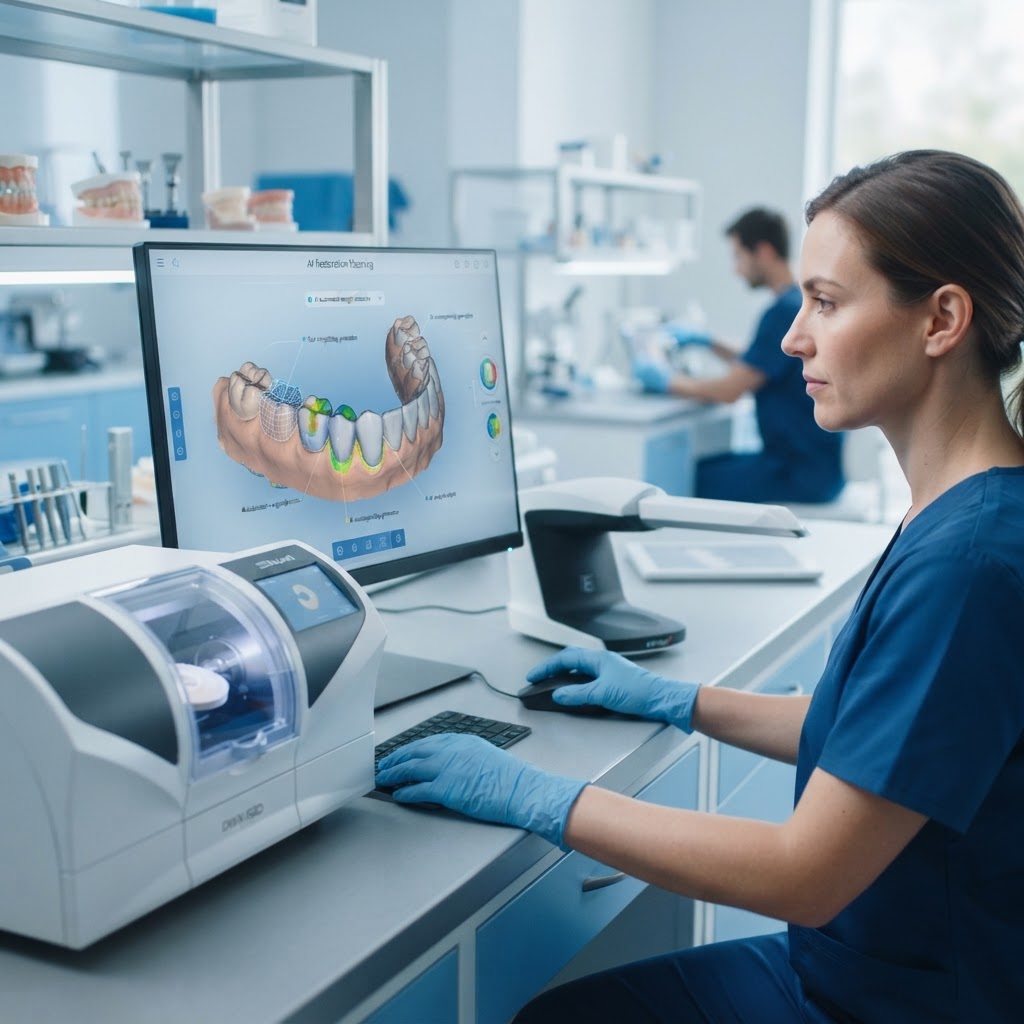
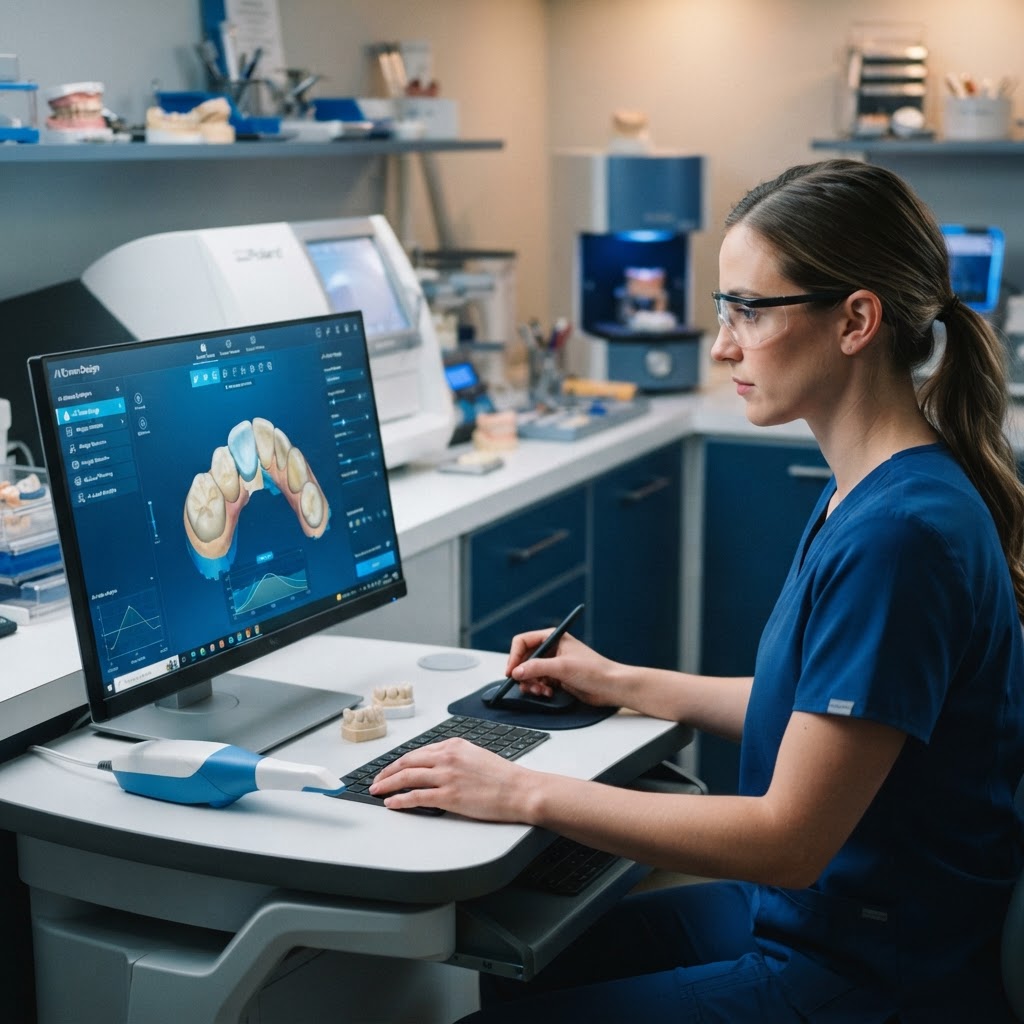
Traditionally, a technician would spend considerable time selecting a tooth library and then manually morphing, scaling, and rotating the proposal to fit the patient's unique anatomy. This process, while digital, was still 'manual' in spirit. AI-driven software changes this by utilizing Generative Adversarial Networks (GANs). These systems have been trained on millions of high-resolution intraoral scans, learning the subtle nuances of natural tooth morphology across diverse populations. By analyzing the scan data, AI can suggest the most anatomically correct crown design in a matter of seconds.
- Automatic Anatomical Mapping: AI identifies neighboring teeth and opposing dentition to suggest a morphology that matches the patient's existing aesthetic perfectly.
- Occlusal Intelligence: Instead of a static fit, AI predicts dynamic jaw movement, reducing the need for extensive intraoral grinding during the seating appointment.
- Proximal Contact Optimization: AI ensures consistent, anatomically correct contact points that promote periodontal health and patient comfort.
Auto-Margining and Boundary Detection: Precision Beyond Human Vision
One of the most critical and time-consuming steps in any CAD workflow is the identification of the finish line. Even with high-definition intraoral scanners, human error or eye fatigue can lead to slight discrepancies in margin marking. These discrepancies are often the root cause of marginal gaps and clinical failures. AI algorithms specialize in pattern recognition. By analyzing the grayscale and topographical data of a digital impression, AI can identify the margin with sub-micron precision, even in cases where the preparation is slightly subgingival or obscured by minor moisture. This level of consistency ensures that every restoration—from a simple inlay to a multi-unit bridge—possesses a seal that meets the highest clinical standards.
Consistency at Scale
For a high-volume digital laboratory, consistency is the primary challenge. Different technicians often have different 'styles' of margin marking or anatomical design. AI provides a standardized baseline of excellence. When the AI proposes a design, the technician shifts from the role of 'creator' to 'editor,' verifying the machine's proposal rather than starting from scratch. This collaborative approach ensures that every restoration coming out of the lab meets a specific threshold of quality, regardless of the individual technician's workload or shift.
The Predictive Lab: Material Science Meets Machine Learning
Restoration planning in the AI era isn't just about shape; it is about structural integrity and long-term survivability. Modern AI suites are now integrating material science directly into the design phase. By simulating the forces of mastication on a proposed design, AI can identify 'stress hot spots' where the zirconia or lithium disilicate might be too thin or prone to fracture. It can suggest reinforcements or even a change in material type based on the patient's bite force and the available vertical space. This predictive capability significantly reduces the rate of fractures and remakes, providing a more reliable product for the clinician and a better experience for the patient.
Streamlining the CAD/CAM Pipeline: The Efficiency Dividend
Why should the clinical dentist care about the lab's AI integration? The answer lies in the 'Efficiency Dividend.' When a laboratory utilizes AI-driven CAD/CAM, the benefits flow directly to the clinic in three major ways:
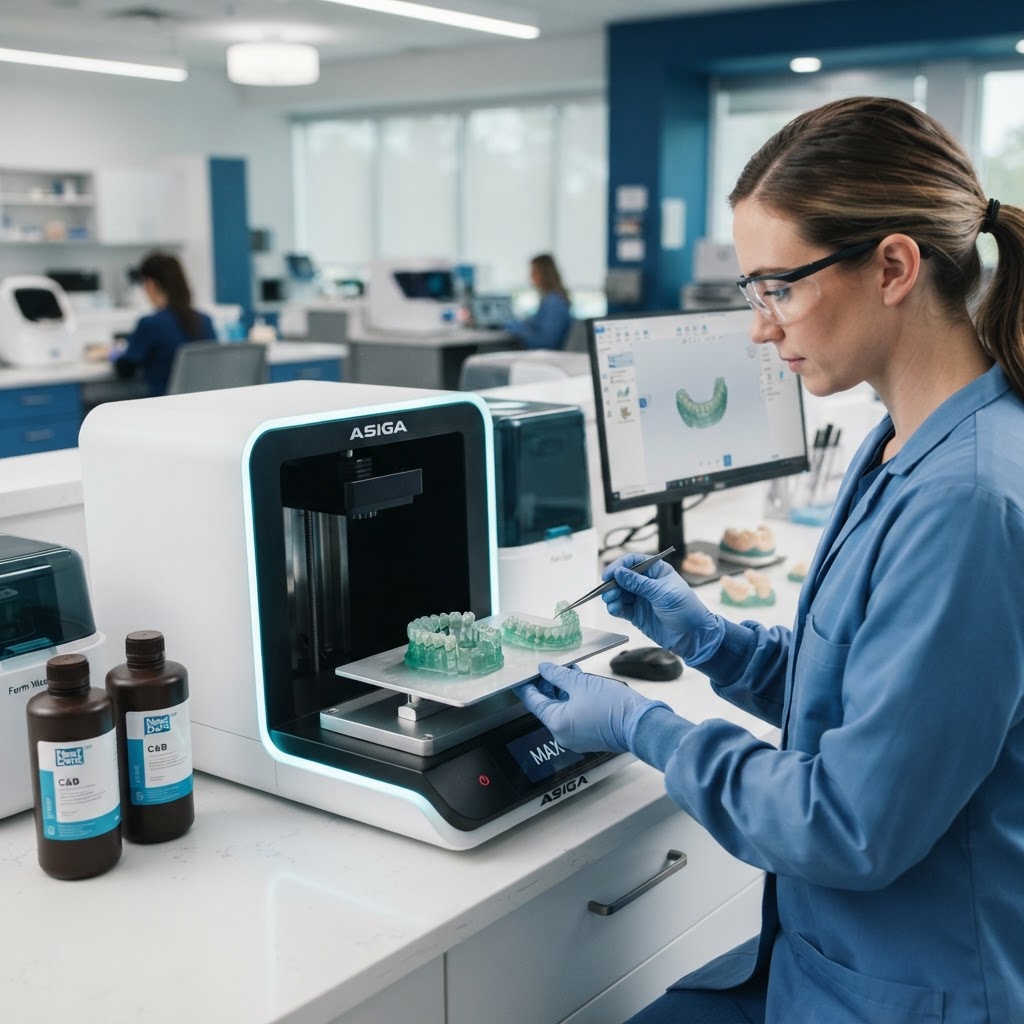
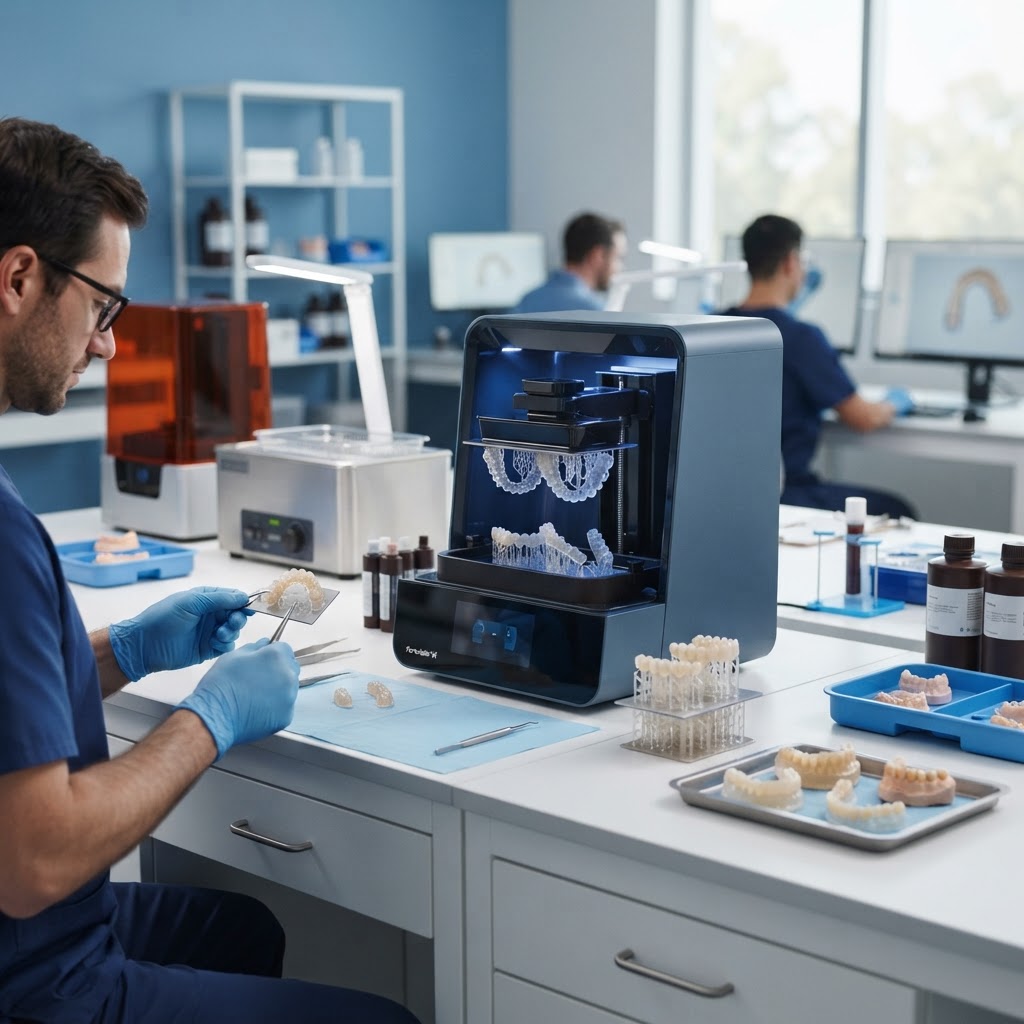
- Reduced Turnaround Times: AI can complete initial designs in seconds, allowing the laboratory to move cases into the milling or 3D printing queue much faster than traditional methods.
- Clinical Predictability: Clinical success is built on predictability. AI-designed restorations offer a tighter fit and more accurate occlusion, leading to significantly shorter seating appointments and fewer chairside adjustments.
- Data-Driven Outcomes: As AI systems learn from remakes and clinician feedback, the designs become progressively better over time, creating a virtuous cycle of continuous improvement.
The Impact on the Clinical-Lab Relationship
The integration of AI also transforms the communication between the dentist and the technician. With cloud-based AI platforms, clinicians can view AI-generated proposals in real-time, offering feedback before the restoration is ever milled. This level of transparency eliminates the 'guesswork' often associated with complex restorative cases. Furthermore, AI can assist in 'Smile Design' by predicting how a patient's soft tissue will respond to different restorative shapes, allowing for a more comprehensive and holistic approach to cosmetic dentistry. The technician's role is elevated to that of a digital architect, using AI to manage the technical complexities while focusing their human expertise on the artistic nuances of the case.
Conclusion: Embracing the AI Co-Pilot
The transition from 'Digital Dentistry' to 'Intelligent Dentistry' is well underway. At Cosmetic Smile Studio, we believe that the synergy between human expertise and machine intelligence is the key to delivering the next generation of dental care. AI is not a replacement for the skilled technician; it is the ultimate tool for achieving restorative perfection. By leveraging AI-driven CAD/CAM and predictive planning, laboratories can offer unprecedented precision, while dentists can enjoy the confidence that comes with a perfectly fitting restoration every time. As the technology continues to evolve, the partnership between the clinic and the intelligent lab will become the foundation of modern restorative excellence. Contact us today to learn how our AI-enhanced workflows can elevate your practice's restorative outcomes.