The Digital Evolution of Modern Restorative Dentistry
The dental landscape is undergoing a paradigm shift where the traditional siloed approach to restorative care is being replaced by a highly integrated digital thread. For modern dental laboratories and clinics, optimization is no longer just about purchasing the latest equipment; it is about harmonizing the transition of data from the chairside to the benchtop. By leveraging the tripartite power of intraoral scanners (IOS), cloud-based collaboration platforms, and AI-assisted design, professionals can achieve unprecedented levels of precision and efficiency. This article explores how these technologies converge to create a seamless, high-velocity workflow that benefits clinicians, technicians, and patients alike.
The Intraoral Scanner as a Diagnostic and Communication Hub
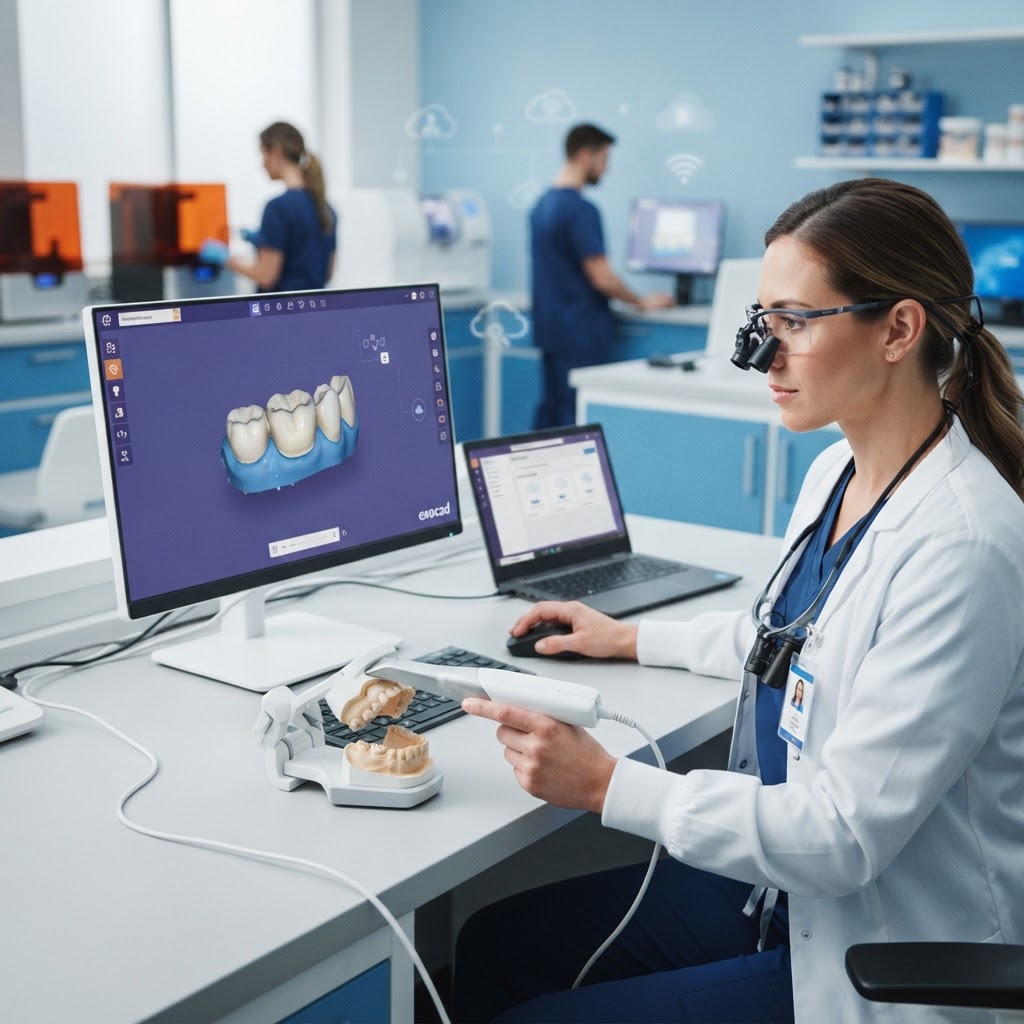
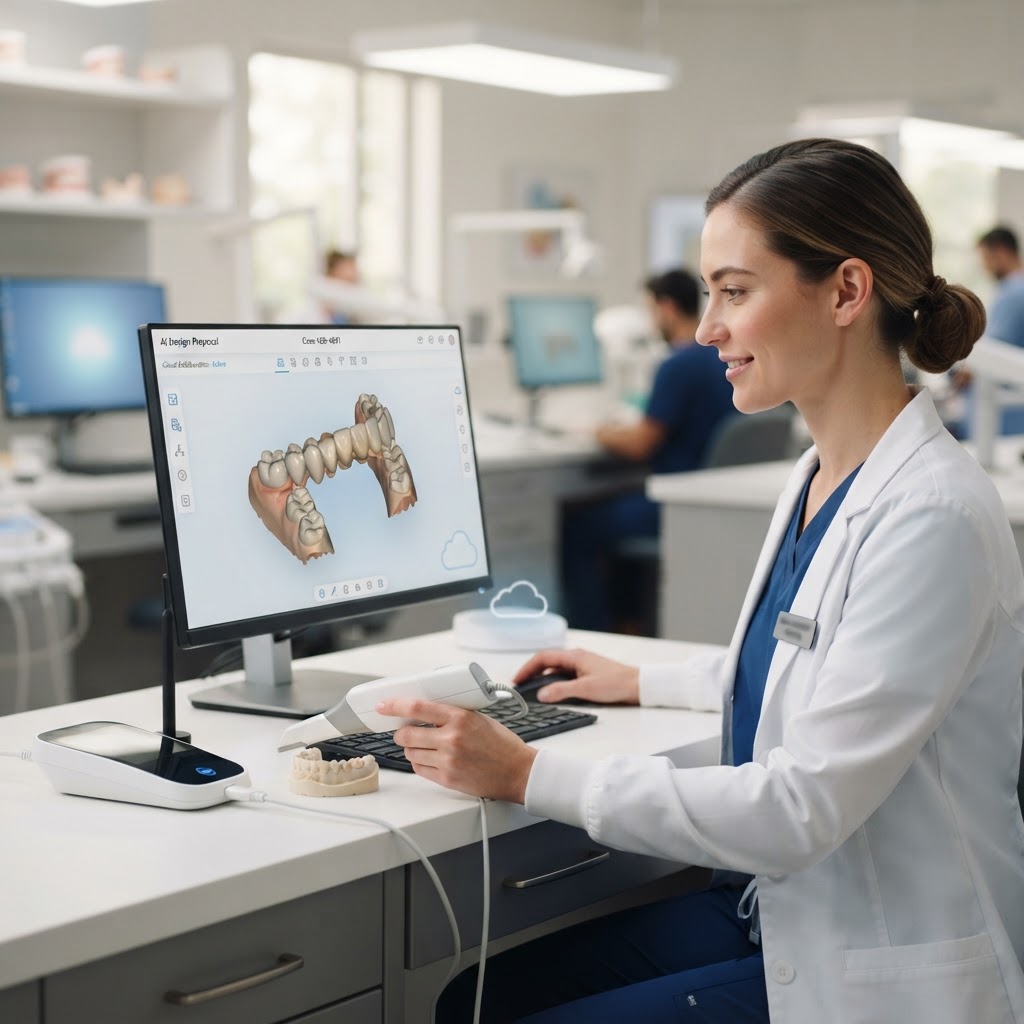
The journey toward an optimized workflow begins at the point of care with the intraoral scanner. While early adoption was driven by the desire to eliminate messy PVS impressions, today's high-performance scanners serve as sophisticated diagnostic hubs. Modern IOS units provide high-resolution color mapping, which is essential for shade matching and identifying soft tissue health. For the dental laboratory, the quality of the initial scan dictates the success of the entire restoration.
Optimization at this stage involves more than just capturing geometry. It requires the clinician to utilize the full diagnostic suite of the scanner, including pre-operative scans and bite registrations under functional movement. When these data sets are captured accurately, the laboratory receives a comprehensive digital twin of the patient's oral environment. This reduces the need for physical models and minimizes the risk of articulation errors. Furthermore, the ability to perform an immediate 'scan health check' allows the clinician to identify undercuts or insufficient reduction while the patient is still in the chair, eliminating the costly and frustrating 'call-back' for a new impression.
Bridging the Gap: Cloud Connectivity and Real-Time Feedback
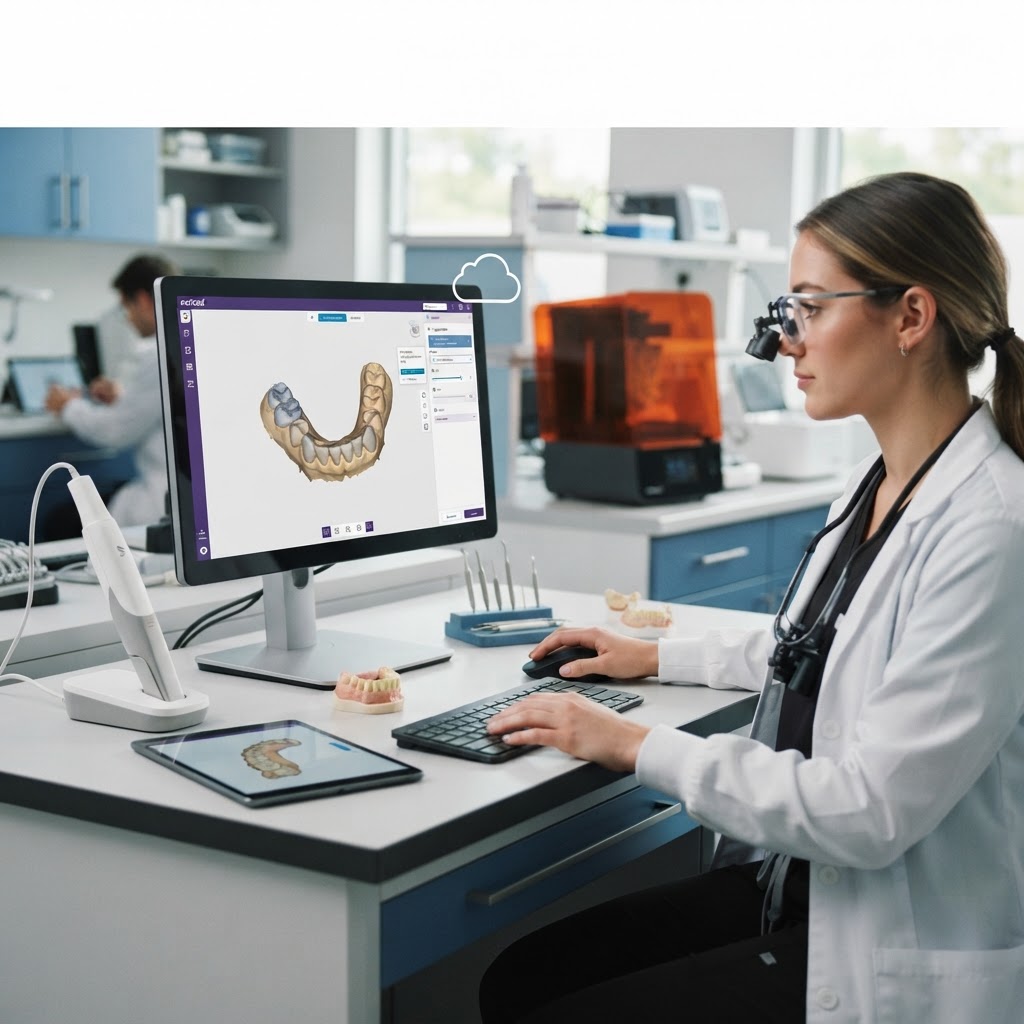
Once the digital impression is captured, the bottleneck often shifts to data transmission. Traditional methods of emailing STL files or using physical USB drives are fraught with security risks and version control issues. Cloud collaboration platforms, such as Medit Link, 3Shape Communicate, and DS Core, have emerged as the central nervous system of the digital dental workflow.
- Real-Time Communication: Cloud platforms allow for instant file transfer, meaning a lab technician can begin reviewing a case minutes after the scan is completed. This facilitates a 'live' feedback loop where the technician can request additional data or clarification immediately.
- Centralized Case Management: By hosting all case files, prescriptions, and communication logs in a secure, HIPAA-compliant cloud environment, labs can maintain better organization and traceability. This is particularly vital for multi-site practices or large-scale laboratories managing hundreds of cases simultaneously.
- Enhanced Transparency: Clinicians can track the progress of their cases in real-time, from design to manufacturing. This transparency builds trust and allows for better scheduling within the dental office.
Optimization through the cloud also extends to technical support and software updates. Cloud-connected CAD/CAM systems ensure that both the lab and the clinic are always operating on the latest software versions, ensuring compatibility and access to the newest design features without manual intervention.
AI-Driven Design: From Automation to Artistry
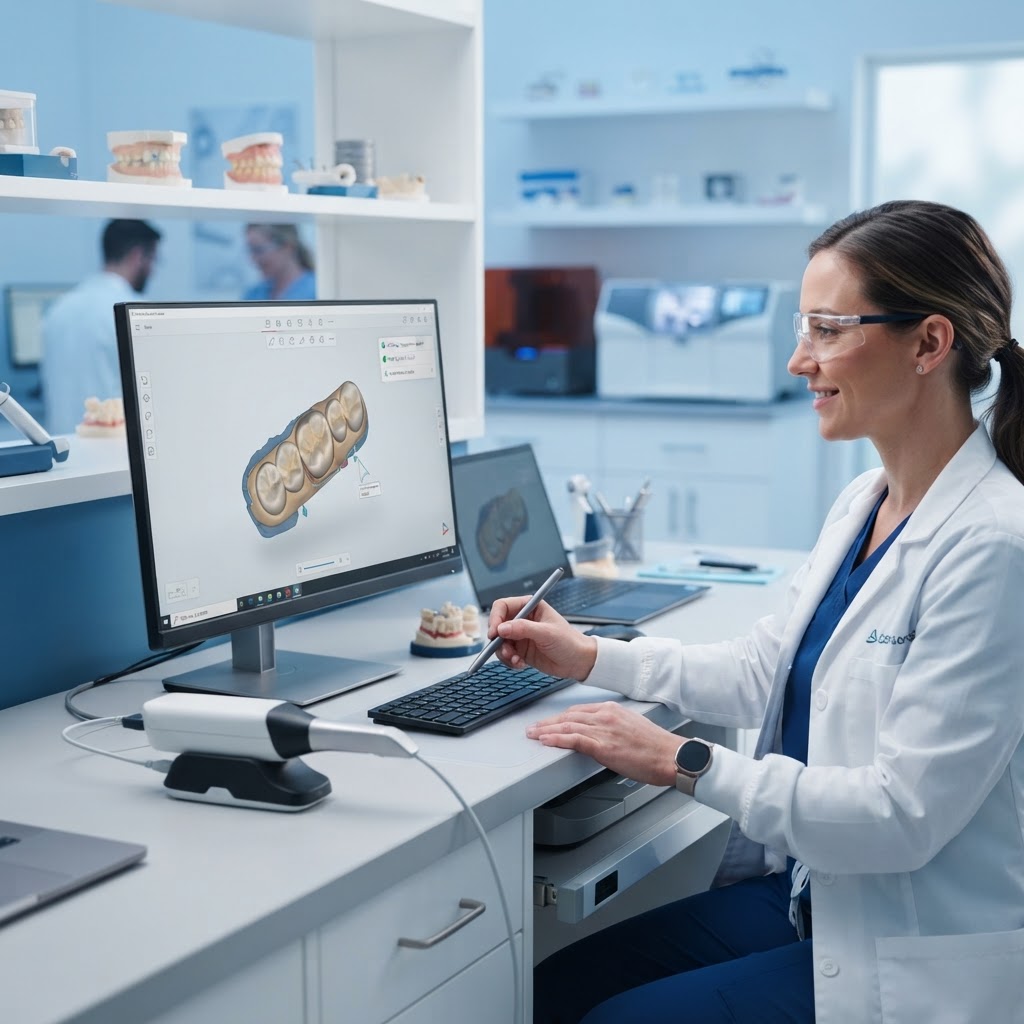
Perhaps the most transformative element of the modern workflow is the integration of Artificial Intelligence (AI) in the design phase. Traditionally, CAD design was a labor-intensive process requiring a technician to manually plot margins, segment teeth, and sculpt anatomy. AI is now taking over these repetitive, high-stakes tasks with remarkable accuracy.
Automated Margin Detection and Segmentation
AI algorithms trained on millions of clinical datasets can now identify preparation margins with a level of consistency that rivals or exceeds human performance. By automating the segmentation of the arch, the software prepares the virtual environment for design in seconds rather than minutes. This allows the skilled technician to focus on the nuances of aesthetic integration and functional occlusion rather than the tedious 'click-work' of setup.
Generative Anatomical Design
Next-generation AI modules can propose anatomical designs based on the patient's existing dentition and the functional requirements of the opposing arch. Rather than pulling from a static library, the AI morphs the restoration to fit the unique bio-mechanics of the patient. This 'biogeneric' approach ensures that the crown or bridge feels natural and requires minimal chairside adjustment. For the lab, this means a significant reduction in design time—often cutting it down by 50% to 70%—while simultaneously increasing the quality of the output.
Actionable Strategies for Implementation
Optimizing your workflow is an iterative process. For labs and clinics looking to stay ahead of the curve, consider the following actionable steps:
- Audit Your Current Data Flow: Identify where delays occur. Is it in the file transfer? Is it in the manual margin marking? Focus your technology investment on the specific bottleneck.
- Prioritize Open Ecosystems: Choose hardware and software that allow for open-source file sharing. Proprietary 'closed' systems often create hurdles for cloud collaboration and limit your ability to integrate new AI tools.
- Invest in Staff Training: Technology is only as effective as the people operating it. Ensure that both clinical staff and lab technicians are proficient in the advanced features of their IOS and CAD software.
- Standardize Protocols: Create a standardized digital prescription form within your cloud platform to ensure all necessary information (material choice, stump shade, delivery date) is captured every time.
Conclusion: The Future is Integrated
The optimization of the digital dentistry workflow is not a destination but a continuous journey of integration. By unifying the precision of intraoral scanners, the speed of cloud collaboration, and the intelligence of AI-assisted design, the dental community is entering a new era of restorative excellence. This synergy not only increases the profitability of the laboratory and the clinic but, more importantly, enhances the patient experience through faster turnaround times and superior clinical outcomes. At Cosmetic Smile Studio, we believe that embracing these digital threads is the key to unlocking the full potential of modern dental technology. Ready to elevate your practice? Contact our team today to learn how our digital-first laboratory services can streamline your workflow.