The Digital Revolution: Beyond the Impression Tray
The dental industry is witnessing a tectonic shift in how restorations are conceptualized, designed, and delivered. For the modern dental professional, the transition from traditional analog techniques to a fully integrated digital ecosystem is no longer a futuristic aspiration—it is a clinical and operational necessity. At the heart of this transformation lies a powerful trifecta: high-precision intraoral scanners, seamless cloud collaboration, and the burgeoning capabilities of artificial intelligence (AI). When these three pillars are optimized, the result is a workflow that not only elevates the standard of patient care but also significantly enhances the profitability and efficiency of both the clinic and the dental laboratory.
The Digital Foundation: Intraoral Scanners as the Gateway
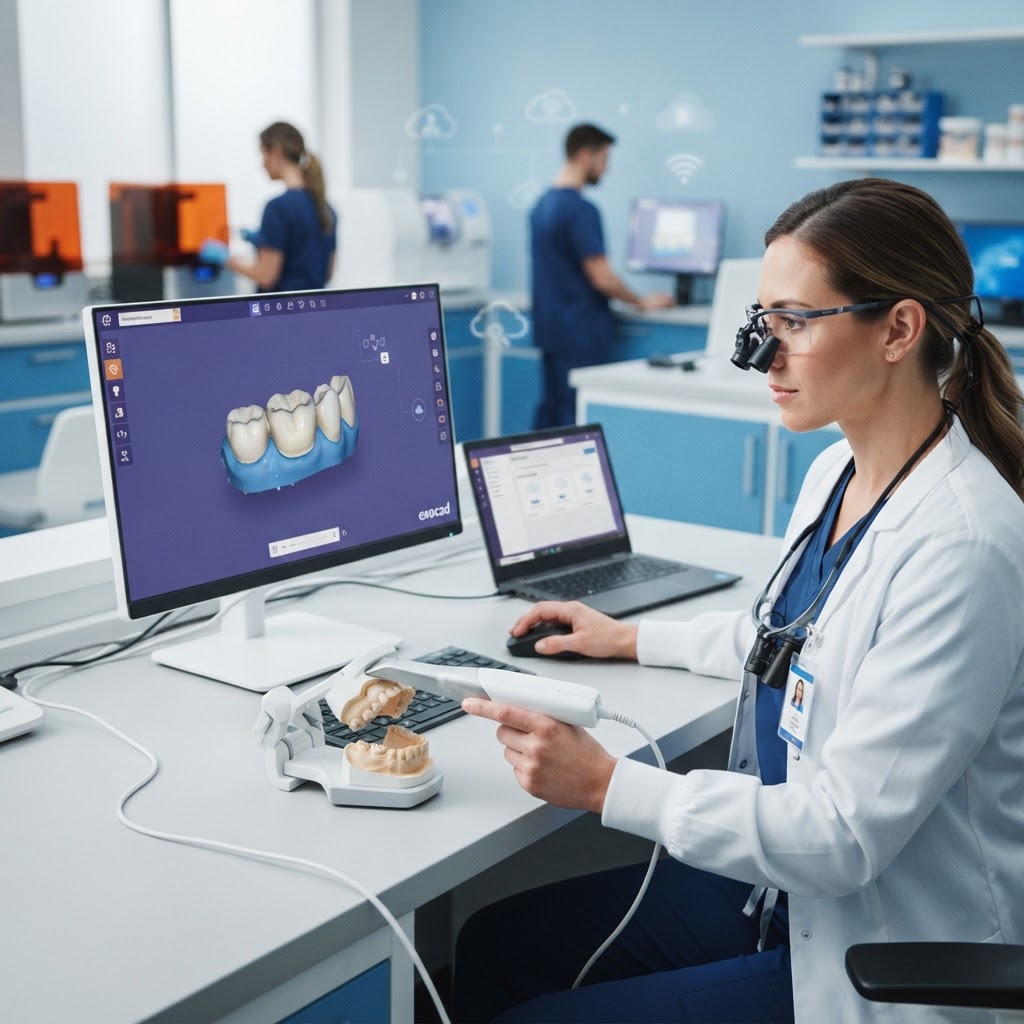
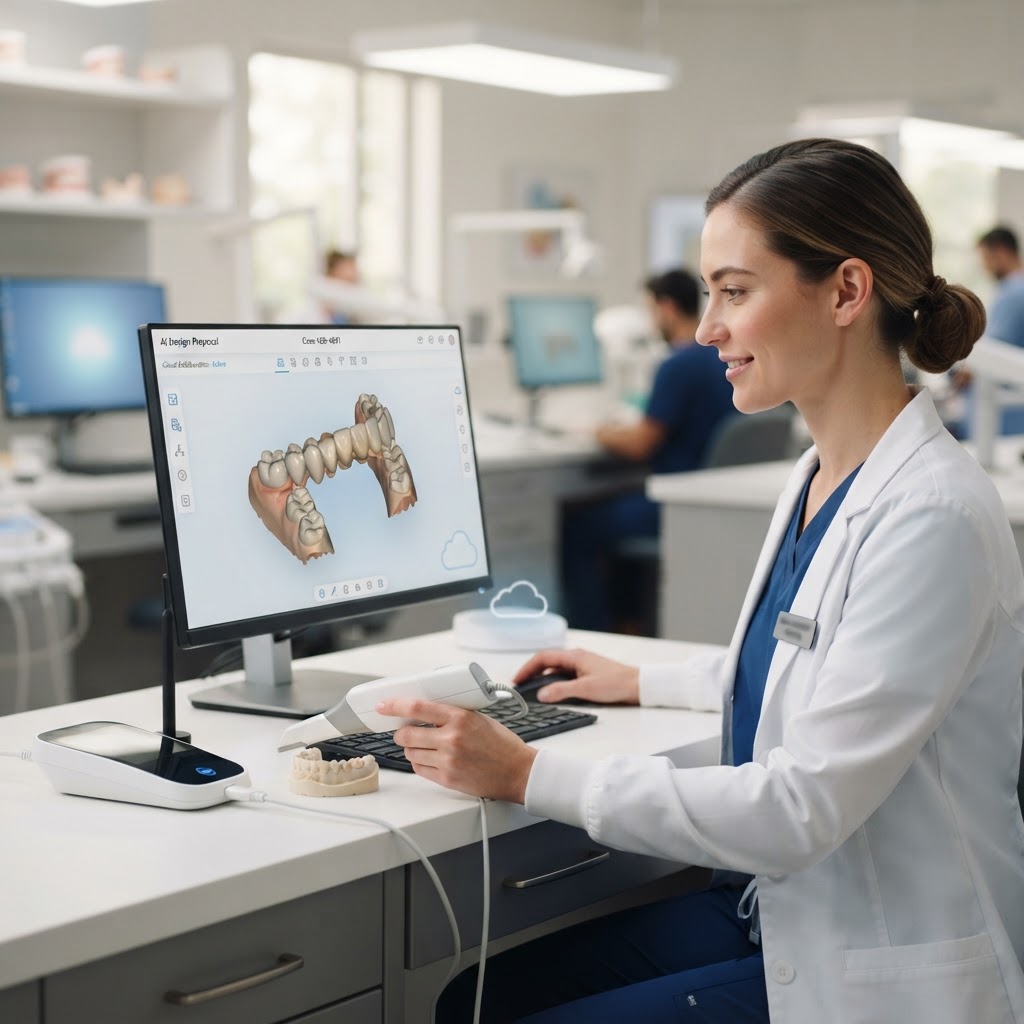
The optimization of any digital workflow begins at the point of care with the intraoral scanner (IOS). Gone are the days of messy alginate impressions, patient discomfort, and the inherent inaccuracies of stone models. Today’s intraoral scanners, such as the 3Shape TRIOS, Medit i700, and Dentsply Sirona Primescan, offer a level of precision that was once thought impossible. However, optimization is about more than just owning the hardware; it is about mastering the capture process.
Maximizing IOS Precision
To ensure the laboratory receives the best possible data, clinicians must focus on several key areas:
- Real-Time Margin Verification: Modern IOS software allows clinicians to zoom in on preparations at 50x magnification. By verifying margins chairside, you eliminate the 'back-and-forth' that traditionally occurs when a lab technician discovers an unclear margin on a physical model.
- Color Calibration and Shade Selection: Many scanners now capture 3D color data and HD photos. Utilizing these features provides the technician with a wealth of visual information, reducing the need for subjective shade matching.
- Scanning Strategy: Consistency in scanning paths—starting from the occlusal, moving to the lingual, and finishing on the buccal—ensures the software stitches images with minimal distortion, providing a more accurate 'digital double' of the patient’s dentition.
The Neural Bridge: Cloud Collaboration and Data Integrity
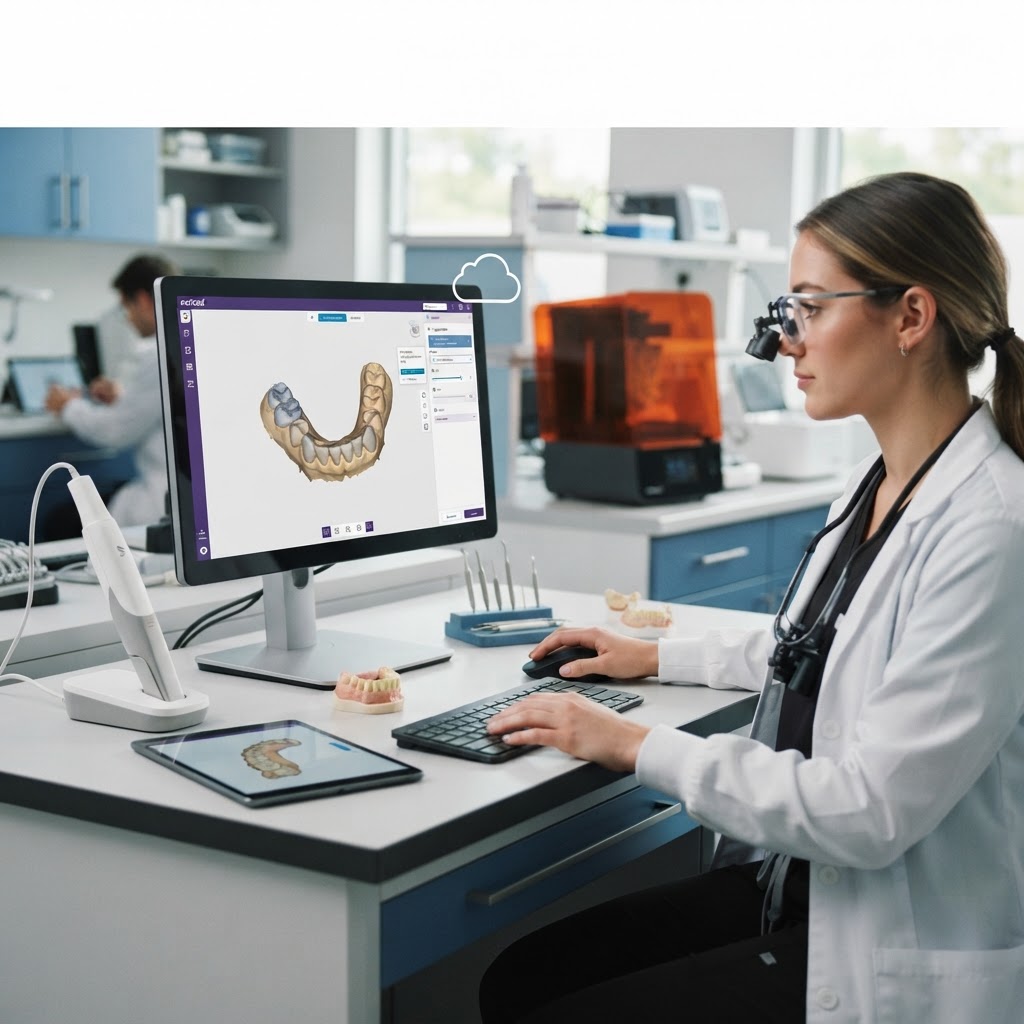
Once the digital impression is captured, the next bottleneck in the workflow is often communication. Traditional methods of sending STL files via email are not only insecure but also inefficient for managing large datasets. Optimized digital workflows leverage cloud-based platforms to create a transparent, real-time link between the dentist and the laboratory technician.
The Power of Integrated Ecosystems
Platforms like Medit Link, 3Shape Communicate, and proprietary lab portals allow for the instantaneous transfer of files. This 'neural bridge' offers several transformative benefits:
- Instant Case Review: A technician can review a scan while the patient is still in the chair. If a clearance issue or a scan gap is identified, it can be corrected immediately, saving the patient a second visit.
- HIPAA-Compliant Communication: Security is paramount. Cloud platforms ensure that patient health information (PHI) is handled according to modern data standards, protecting both the practice and the laboratory.
- Version Control and History: Digital workflows provide a searchable, permanent record of every case, facilitating easier remakes or adjustments years down the line.
The Intelligence Engine: AI-Assisted Design in the Lab
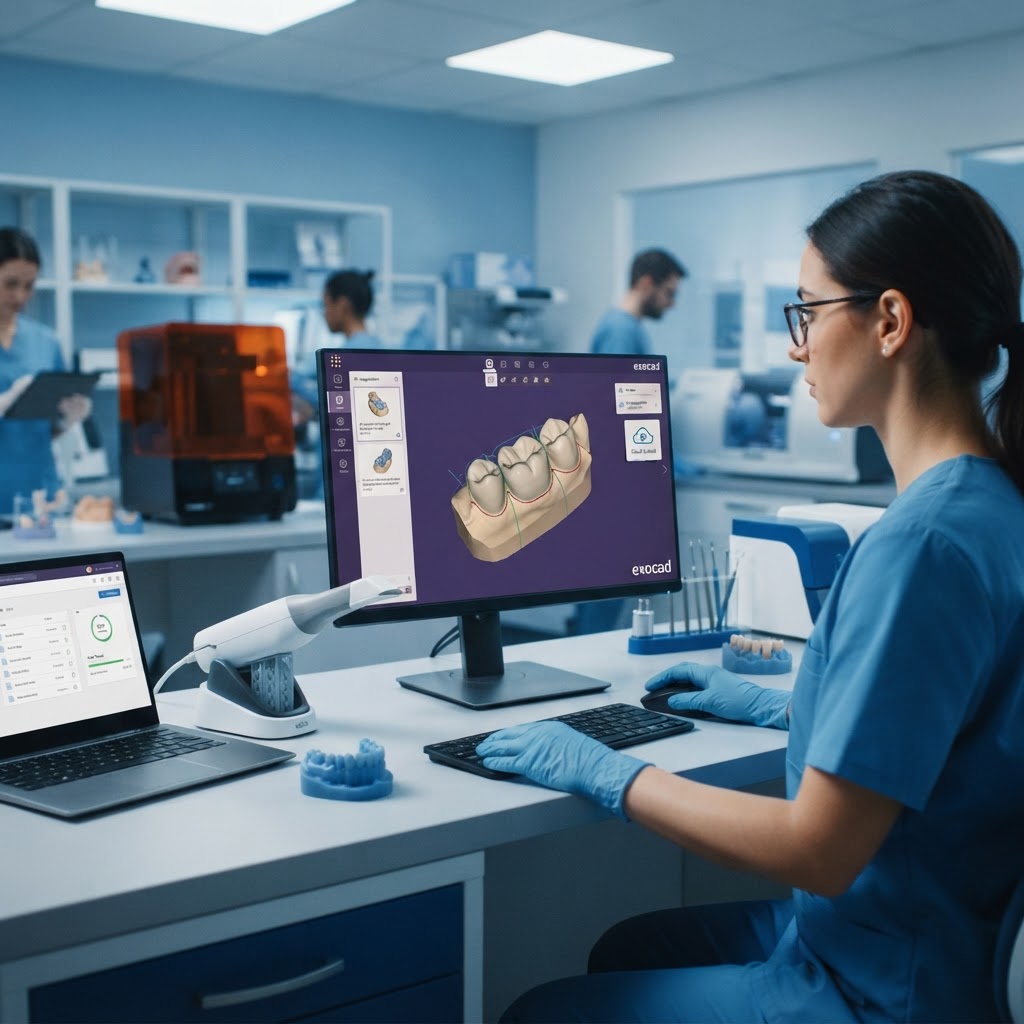
The most recent and perhaps most impactful advancement in the digital workflow is the integration of Artificial Intelligence into Computer-Aided Design (CAD). AI is not replacing the dental technician; rather, it is augmenting their expertise by automating repetitive, time-consuming tasks.
How AI is Shaping Restoration Design
AI algorithms are now trained on hundreds of thousands of successful cases to provide 'smart' proposals. This impacts the workflow in three major ways:
- Automated Margining: AI can identify and trace margin lines with incredible accuracy, even in complex cases. This reduces the technician's 'click-time' and ensures a consistent baseline for every restoration.
- Anatomic Proposals: Instead of a technician manually sculpting a tooth from a generic library, AI analyzes the adjacent and antagonist teeth to propose an anatomy that fits the patient’s unique occlusal scheme and aesthetic profile perfectly.
- Error Detection: AI can flag potential issues—such as insufficient material thickness or heavy interproximal contacts—before the design is ever sent to a mill or 3D printer. This predictive capability is a game-changer for reducing remake rates.
Actionable Strategies for Workflow Optimization
For dental practices and laboratories looking to refine their digital partnership, the following steps are recommended:
- Audit Your Current Hardware: Ensure your scanner's firmware is up to date and that your lab's CAD software is compatible with your output files (STL, PLY, or OBJ).
- Establish Standardized Protocols: Define a clear set of requirements for every digital case, including necessary photos, bite registrations, and specific instructions on material preference.
- Invest in Training: The hardware is only as good as the operator. Regular training sessions for dental assistants and lab technicians ensure that everyone is utilizing the latest software features to their full potential.
Conclusion: Embracing the Connected Future
The optimization of the digital dentistry workflow—through the synergy of intraoral scanning, cloud connectivity, and AI design—represents the pinnacle of modern restorative science. By reducing human error, accelerating turnaround times, and improving the precision of the final restoration, this integrated approach provides a competitive edge in an increasingly digital marketplace. At Cosmetic Smile Studio, we are committed to being your partner in this journey, utilizing state-of-the-art technology to turn your digital scans into masterpieces of function and aesthetics. Ready to elevate your practice? Connect with us today to experience the future of digital laboratory services.