The New Standard of Excellence in Digital Dentistry
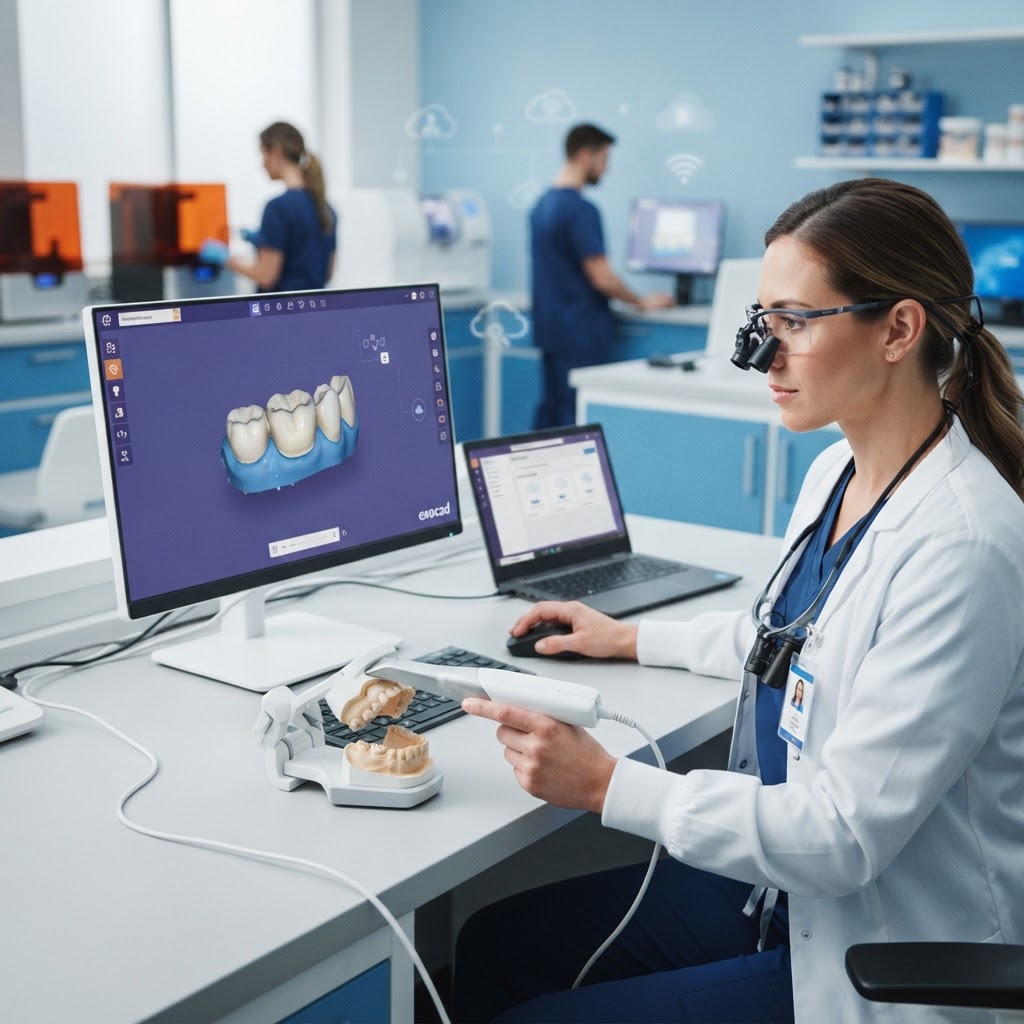
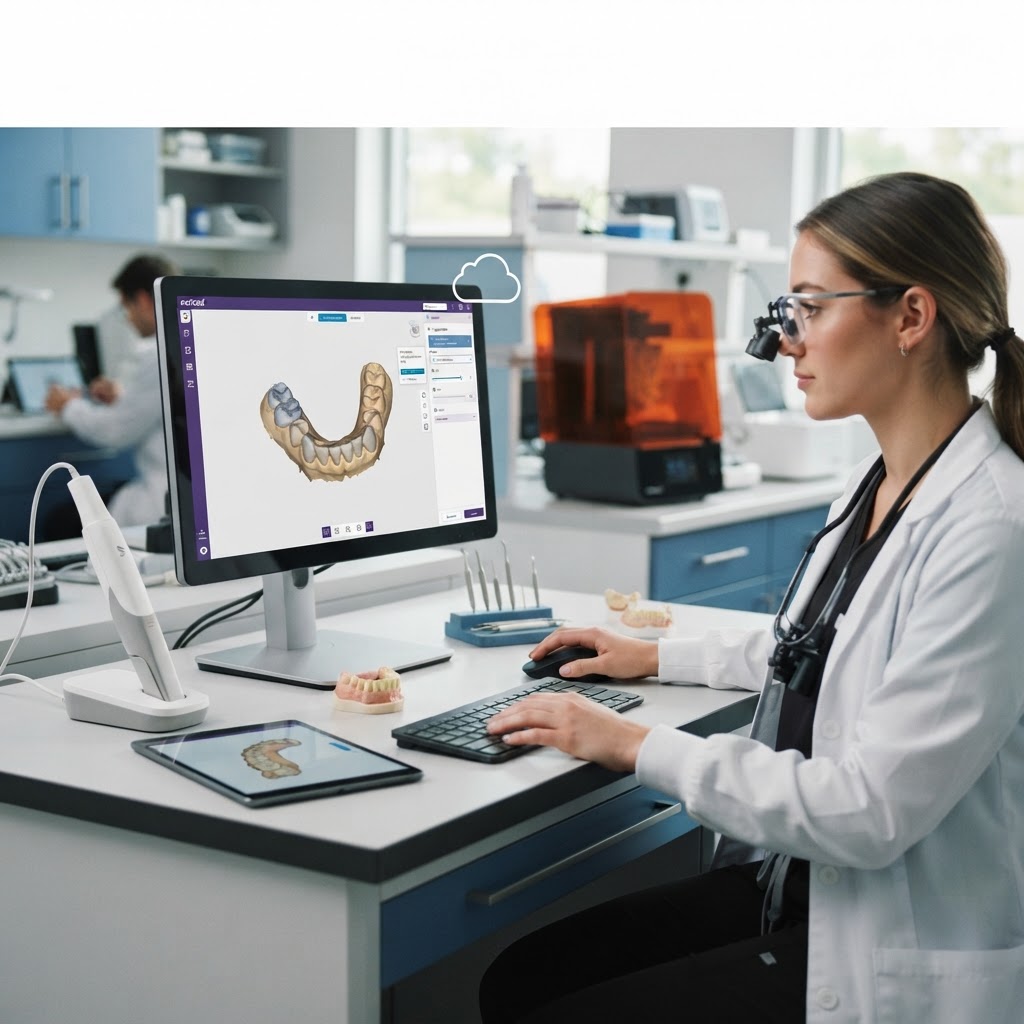
The dental industry is currently undergoing a paradigm shift that rivals the introduction of the porcelain-fused-to-metal crown. We are moving beyond the simple adoption of digital tools toward the implementation of a unified, high-performance ecosystem. For the modern dental laboratory and clinical practice, 'digital' is no longer a niche capability—it is the operational backbone. Optimizing this workflow requires a deep understanding of the 'Digital Triad': intraoral scanning (IOS), cloud-based collaboration platforms, and artificial intelligence (AI)-assisted design. When these three components are harmonized, the results are transformative: reduced turnaround times, superior marginal fit, and a significantly enhanced patient experience.
The Foundation: Precision Through Intraoral Scanners
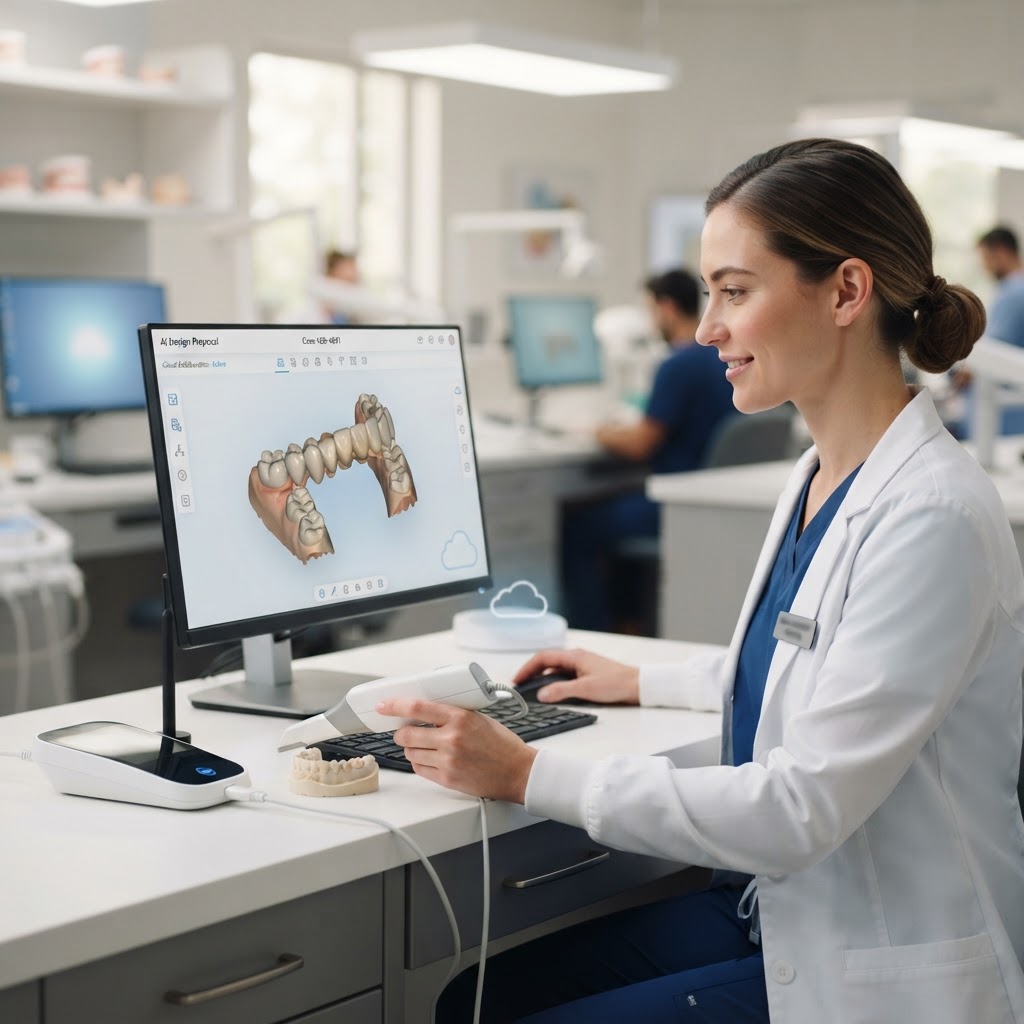
Everything starts with the data. The accuracy of the final restoration is intrinsically linked to the quality of the initial digital impression. Intraoral scanners have evolved from bulky, slow devices into ergonomic powerhouses capable of capturing full-arch scans with micron-level precision in under sixty seconds. For the lab, receiving an STL or PLY file instead of a physical polyvinyl siloxane (PVS) impression eliminates variables such as material shrinkage, stone expansion, and transit damage.
Key Advantages of IOS Integration:
- Elimination of Analog Errors: Digital impressions remove the risk of bubbles, pulls, or tears common in traditional impressions.
- Instant Feedback: Clinicians can evaluate preparation clearance and margin clarity in real-time, allowing for immediate adjustments while the patient is still in the chair.
- Patient Comfort: The removal of 'goop' and trays significantly improves patient satisfaction, a key marketing differentiator for premium practices.
- Sustainability: Reducing the need for disposable impression trays and shipping materials lowers the environmental footprint of both the clinic and the lab.
Cloud Collaboration: Bridging the Geographical Divide
The second pillar of optimization is the cloud. Historically, the relationship between a dentist and a technician was hampered by physical logistics and fragmented communication. Today, cloud-based platforms like 3Shape Communicate, Medit Link, and various proprietary lab portals serve as a virtual bridge. This 'connected laboratory' model allows for instantaneous data transfer and real-time case discussion. When a clinician uploads a scan, the lab can begin the assessment phase within minutes. This connectivity enables a collaborative 'design-first' approach where technicians can provide feedback on preparations before the patient leaves the office, ensuring that the final restorative design will be successful.
Maximizing Cloud-Based Workflows:
- Centralized Case Management: Cloud portals provide a single source of truth for prescriptions, photos, and 3D files, reducing the risk of lost information.
- HIPAA-Compliant Security: Leading cloud providers offer encrypted data storage and transfer, ensuring patient privacy is maintained at the highest standards.
- Version Control: Technicians and clinicians can iterate on designs collaboratively, tracking changes and ensuring the most current version of a file is used for production.
AI-Assisted Design: The Efficiency Engine
The most recent and perhaps most impactful advancement in the workflow is the integration of Artificial Intelligence. In the laboratory setting, AI is not replacing the technician; rather, it is augmenting their expertise by automating the most labor-intensive and repetitive aspects of CAD design. Modern software packages now utilize deep learning algorithms to analyze thousands of successful cases to predict the ideal tooth morphology, margin placement, and occlusal contact points.
How AI is Reshaping CAD/CAM:
- Automated Margin Marking: AI can identify margin lines with incredible speed, requiring only a final check from the technician to ensure perfection.
- Anatomical Proposals: Instead of starting from a generic library, AI suggests a tooth shape that matches the patient's existing dentition, including wear patterns and functional anatomy.
- Nesting and Slicing: In the production phase, AI optimizes the placement of restorations on a milling disc or 3D printing build plate to maximize material yield and minimize print time.
- Error Detection: AI algorithms can flag potential issues, such as thin walls or inadequate clearance, before a restoration is even sent to the mill.
Strategic Implementation for Dental Professionals
Transitioning to a fully optimized digital workflow requires more than just purchasing equipment; it requires a shift in mindset. For clinics, the focus should be on mastering the scanning technique and utilizing the cloud to engage with the lab earlier in the treatment plan. For laboratories, the focus is on investing in scalable software solutions that leverage AI to handle the increasing volume of digital cases without sacrificing quality. Training is paramount. Staff must be proficient in both the hardware and the software to ensure that the speed of the digital workflow is not bottlenecked by a lack of technical knowledge.
The Competitive Edge in a Digital Future
The synergy of intraoral scanners, cloud collaboration, and AI-assisted design represents the pinnacle of modern restorative dentistry. By embracing these technologies, dental professionals can provide a level of care that is faster, more accurate, and more predictable than ever before. This optimization is not just about efficiency—it is about elevating the standard of dental art. At Cosmetic Smile Studio, we are committed to being your partner in this digital journey, providing the expertise and technology needed to bring your most complex cases to life with precision and beauty.