The Shift from Subtractive to Additive Excellence
For years, the backbone of the digital dental laboratory was defined by the rhythmic hum of the milling machine. While subtractive manufacturing brought unprecedented precision to zirconia and lithium disilicate restorations, it also introduced inherent limitations: significant material waste, tool wear costs, and geometric constraints. Enter the new era of additive manufacturing. Today’s 3D printing innovations are not merely iterative; they are transformative, pushing the boundaries of what can be fabricated layer-by-layer. This evolution is enabling dental professionals to reconsider the entire restorative lifecycle, from initial scan to final delivery.
Breakthroughs in 3D Printing Technology
The transition from diagnostic models to definitive restorations has been fueled by two primary drivers: hardware precision and material science. Modern dental labs are moving beyond traditional Stereolithography (SLA) toward high-speed Digital Light Processing (DLP) and Liquid Crystal Display (LCD) technologies, which offer significant advantages in a high-volume production environment.
High-Speed DLP and MSLA
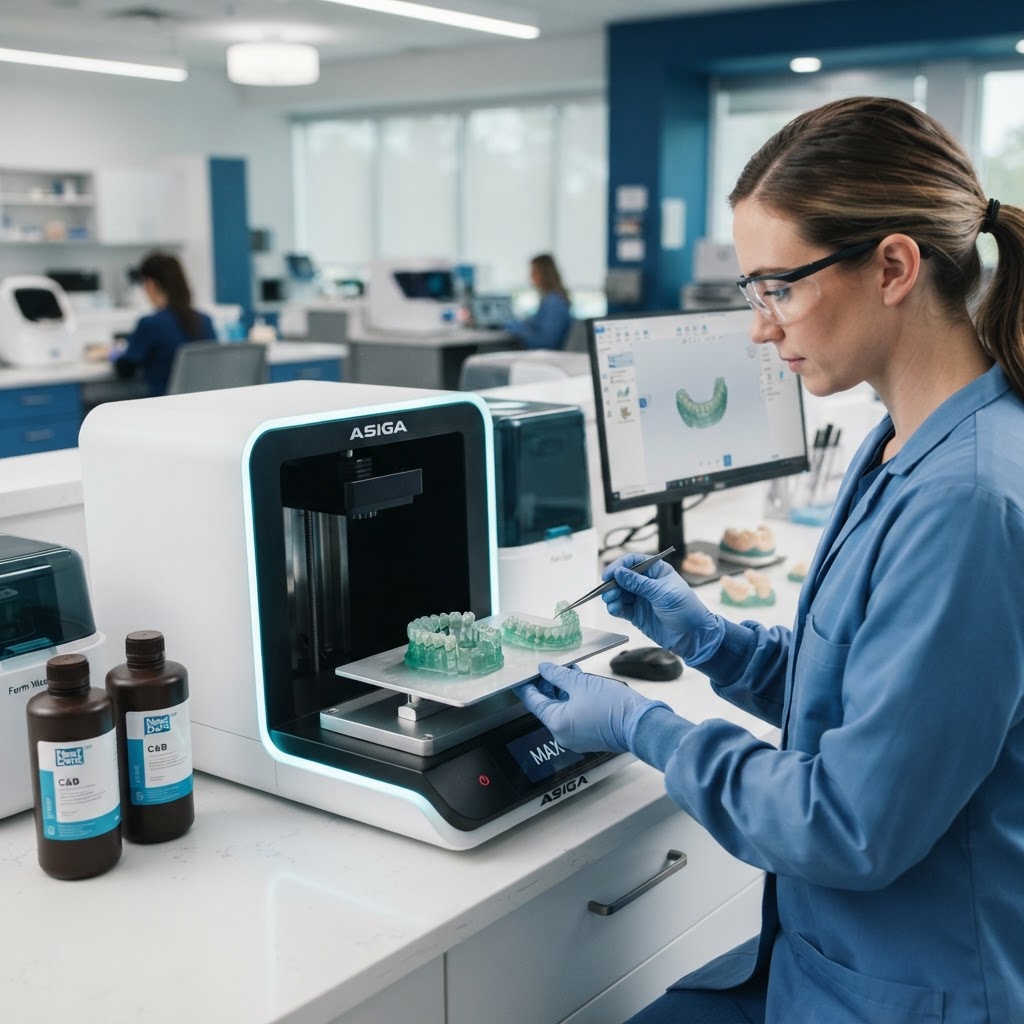
DLP printing has become the industry favorite for its balance of speed and accuracy. By using a projector to cure an entire layer of resin at once, labs can produce a full plate of surgical guides, crown patterns, or splints in a fraction of the time required by point-to-point SLA lasers. The latest generation of Masked Stereolithography (MSLA) printers utilizes high-resolution 4K and 8K LCD screens, providing micron-level detail that rivals the surface finish of milled restorations. This precision is vital for achieving the marginal fit required for long-term clinical success.
Multi-Material and Gradient Printing
One of the most anticipated innovations in the additive space is the ability to print multiple materials simultaneously. In the near future, we expect to see printers capable of transitioning between different resin types in a single build. This would allow for a restoration with a high-strength, opaque core and a highly aesthetic, translucent incisal edge. This 'gradient' printing mimics the natural transition of human dentition—dentin to enamel—more closely than any monolithic block could ever achieve.
The Evolution of Biocompatible Resins
Perhaps the most significant leap in additive manufacturing is the development of Class IIa biocompatible resins. We are no longer limited to temporary materials or diagnostic aids. The latest ceramic-dominant resins, often containing over 70% ceramic filler, allow for the 3D printing of permanent crowns, inlays, and onlays. These materials are engineered to exhibit high flexural strength, superior wear resistance, and excellent marginal integrity due to extremely low shrinkage rates. Furthermore, the polishability and aesthetics of these new-age resins allow them to blend seamlessly with natural teeth, providing a cost-effective yet high-quality alternative to traditional ceramics.
Optimizing the Additive Workflow in the Lab
Integrating these innovations requires more than just a printer; it requires a cohesive, validated additive manufacturing workflow. To maximize efficiency and ensure clinical safety, dental labs should focus on the following pillars:
1. Seamless CAD Integration and AI Design
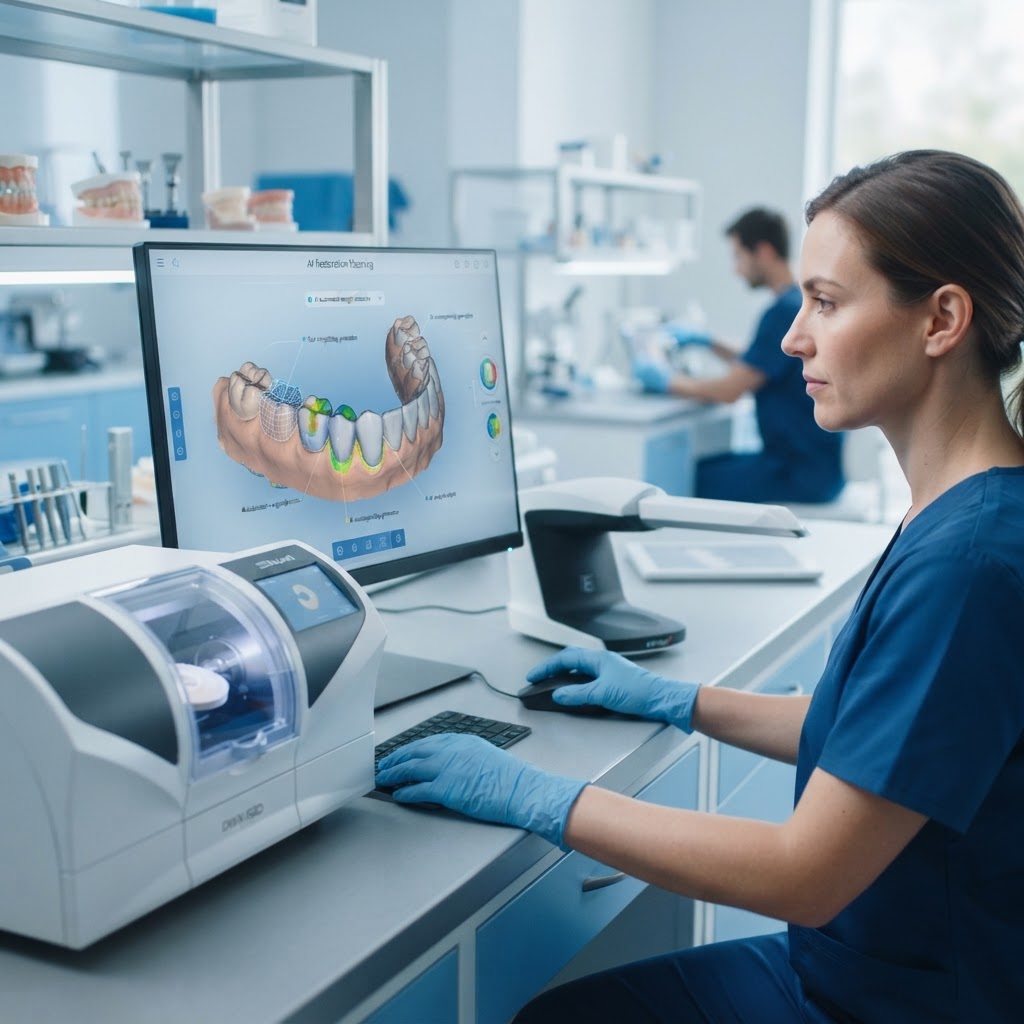
The workflow begins with high-quality intraoral scans. Advanced CAD software now includes 'AI-auto' features that can design a 3D-printable restoration in seconds. These designs are specifically optimized for the printing process, accounting for the unique way light interacts with resin. This reduces the manual labor required by technicians, allowing them to focus on high-level characterization and quality control.
2. Standardized Post-Processing and Validation
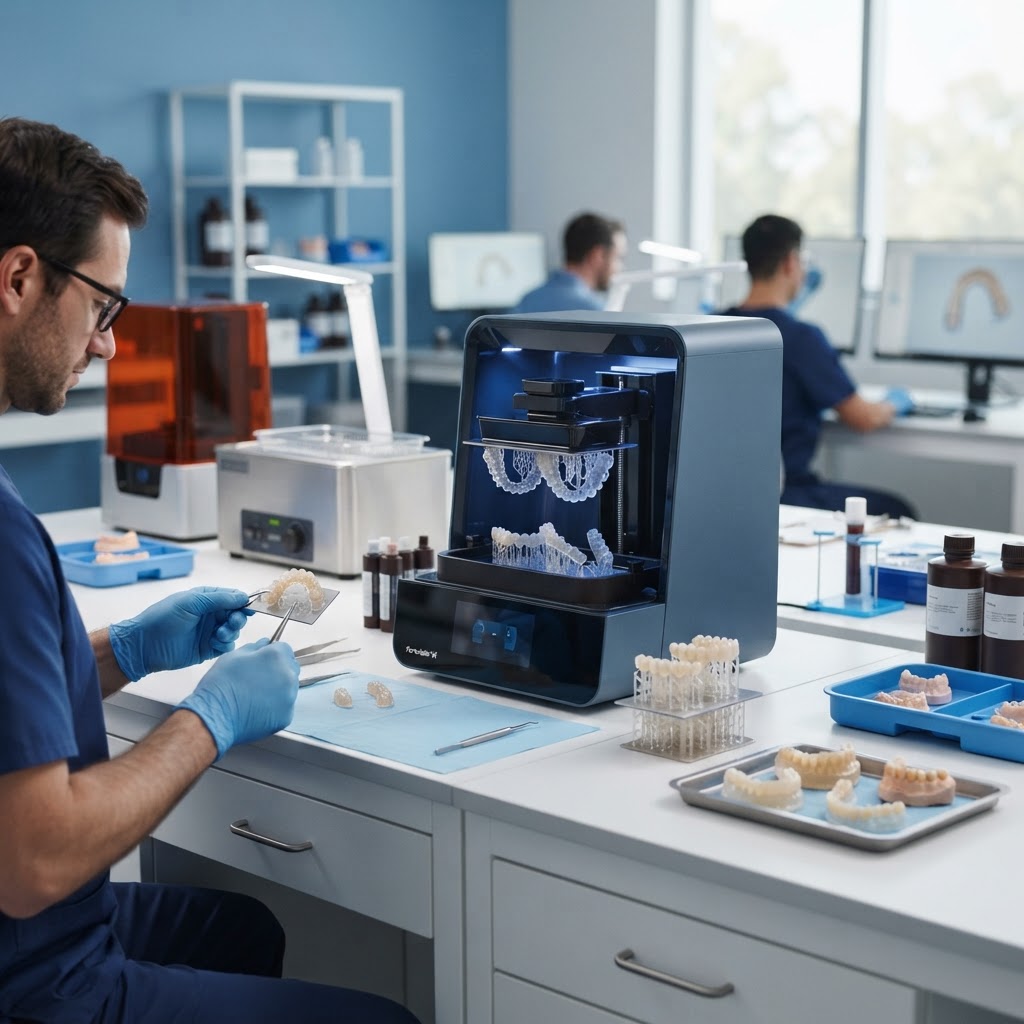
The physical properties of a 3D-printed restoration are finalized during the wash and cure cycle. Automated centrifugal washing systems and high-intensity UV curing ovens ensure that the resin achieves its full biocompatibility and mechanical strength. It is critical for labs to follow validated workflows—using the specific printer, resin, and curing unit combinations cleared by the FDA—to guarantee the safety of the final appliance. Inconsistency in post-processing is the leading cause of restoration failure and leaching.
3. Nesting, Orientation, and Support Management
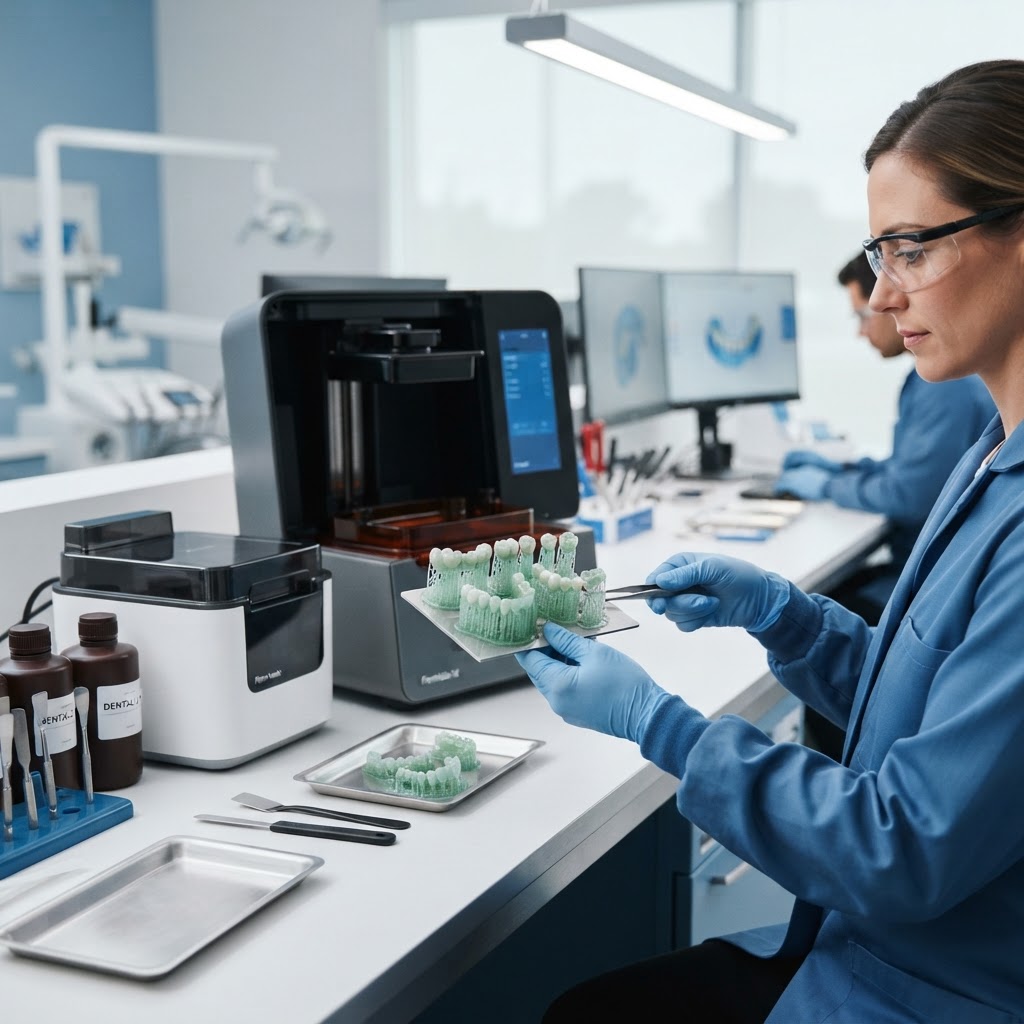
Properly nesting units on the build plate and selecting the right orientation is critical for accuracy. Modern nesting software uses complex algorithms to minimize support structures while ensuring that critical margins and contact points remain untouched. By angling restorations strategically, labs can maximize the number of units per print run while minimizing the manual labor required during the finishing stages.
Practical Applications for the Modern Clinician
The benefits of additive manufacturing extend directly to the chairside experience. Labs utilizing these workflows can offer a range of specialized services that were previously cost-prohibitive:
- Same-Day Provisionals: High-strength printed temporaries can be delivered faster than milled versions, allowing for immediate loading in implant cases.
- Digital Dentures: Printed denture bases and teeth offer a more accurate fit and easier reproducibility. If a patient loses their denture, a replacement can be printed from the existing digital file in hours.
- Precision Surgical Guides: Reducing the cost and turnaround time of guides encourages more clinicians to adopt guided implant surgery, drastically improving patient outcomes and safety.
- Night Guards and Splints: 3D printing allows for the creation of clear, comfortable, and durable splints with a level of precision that reduces chairside adjustment time.
The Economic Impact on Dental Laboratories
From a business perspective, the shift to additive manufacturing is a move toward sustainability and profitability. Milling zirconia or PMMA involves substantial overhead in the form of bur replacement, machine maintenance, and material waste (often up to 80% of a disc). Conversely, 3D printing uses only the material necessary for the restoration and its supports. Furthermore, the footprint of a 3D printer is often smaller than a 5-axis mill, allowing labs to scale their production capacity vertically without significantly expanding their physical space. This efficiency allows labs to offer more competitive pricing to their clinical partners while maintaining healthy margins.
Conclusion: Embracing the Future of Restoration
The innovations in 3D printing and additive manufacturing are fundamentally changing the DNA of the dental laboratory. By embracing high-speed hardware, advanced ceramic-filled resins, and automated, validated workflows, labs can deliver restorations that are not only faster and more affordable but also more precise and aesthetic. For the modern dental professional, staying at the forefront of these technologies is no longer optional—it is the key to thriving in a digital-first industry. At Cosmetic Smile Studio, we are committed to leveraging these advancements to provide our partners with the highest quality digital solutions. Explore our digital services today and see how our additive manufacturing expertise can elevate your practice and improve patient satisfaction.