The Digital Paradigm Shift in Modern Restorative Dentistry
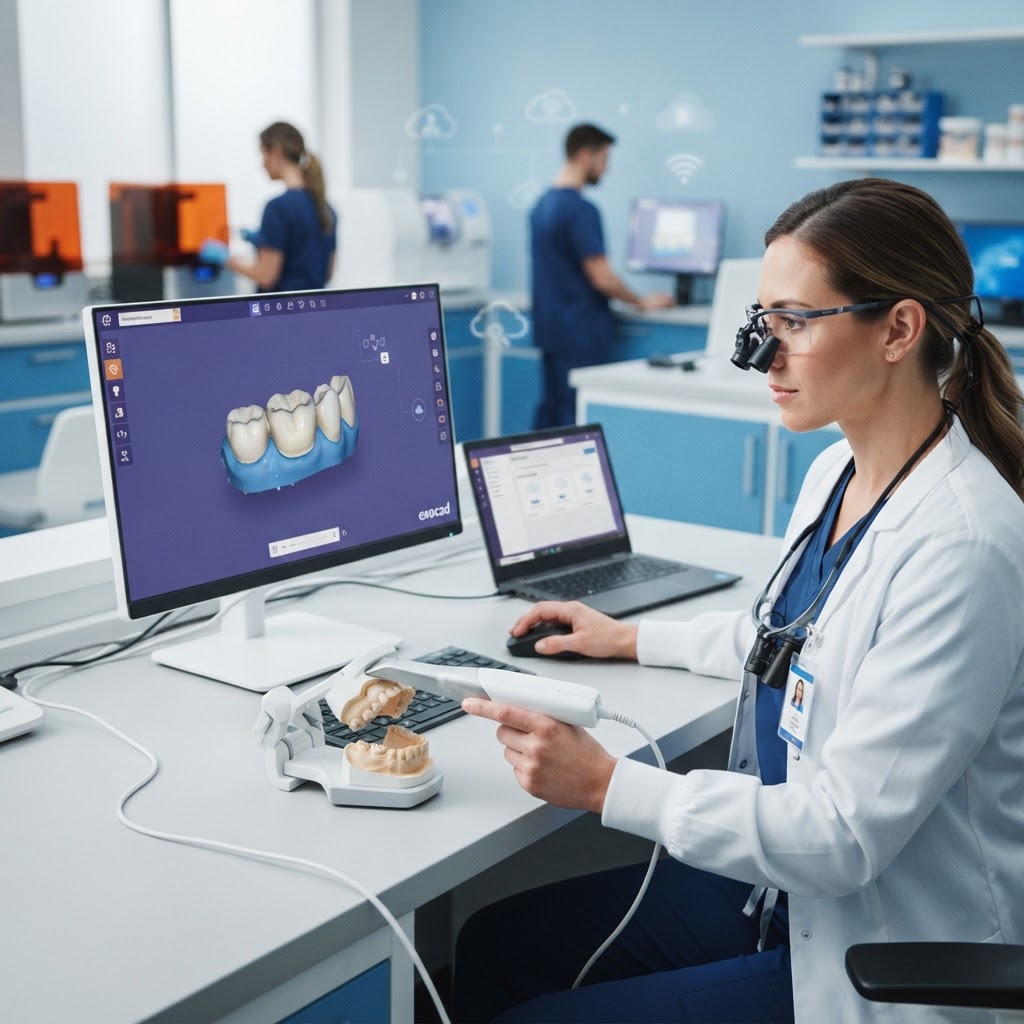
In the contemporary dental landscape, the transition from traditional analog methodologies to comprehensive digital workflows is no longer a luxury—it is a clinical necessity for growth. As restorative demands become increasingly complex and patient expectations for speed and precision rise, the dental laboratory must evolve. This evolution is driven by a powerful triad: high-fidelity intraoral scanning (IOS), seamless cloud-based collaboration, and the emerging power of Artificial Intelligence (AI) in CAD/CAM design. At Cosmetic Smile Studio, we recognize that the true value of digital dentistry lies not in any single piece of hardware, but in the harmonious integration of these technologies to create a streamlined, error-free restorative cycle.
Foundation of Precision: Mastering Intraoral Scanning
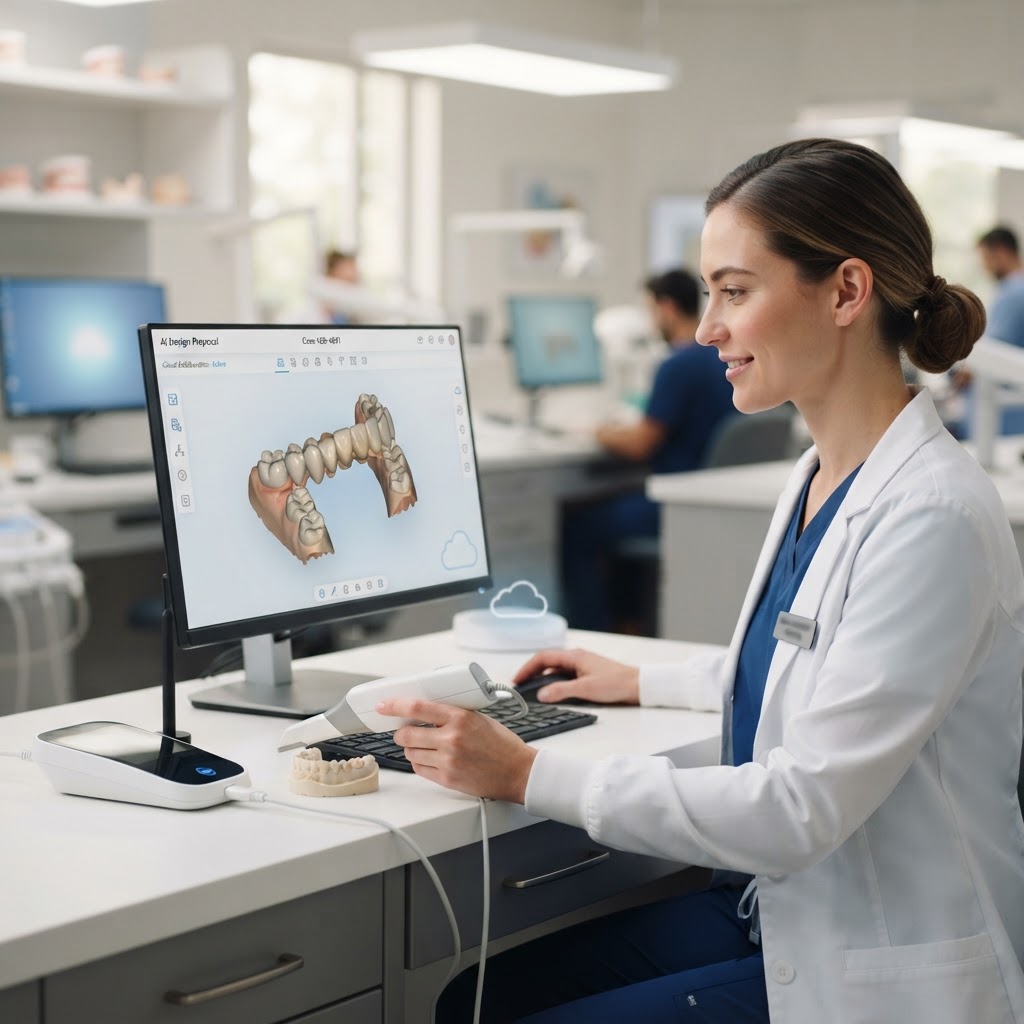
The digital journey begins chairside. The intraoral scanner has effectively replaced the traditional tray-and-putty impression, eliminating common issues such as material shrinkage, pulls, and voids. However, the efficacy of the entire workflow depends on the quality of the initial data acquisition. For dental professionals, optimizing the IOS stage involves more than just purchasing a device; it requires a strategic approach to scanning.
- Scan Path Optimization: Following manufacturer-recommended scan paths (such as the 'occlusal-lingual-buccal' sequence) ensures that the software algorithms can stitch data points with maximum accuracy, reducing stitching errors that lead to ill-fitting restorations.
- Soft Tissue Management: High-precision scanners like the iTero, Medit, and 3Shape Trios require clear margins. Effective retraction and moisture control remain the pillars of a high-quality digital impression.
- Real-Time Verification: One of the greatest advantages of IOS is the ability to check for undercuts, clearance, and contact points while the patient is still in the chair. This immediate feedback loop minimizes the need for costly and inconvenient patient callbacks.
The Digital Bridge: Cloud Collaboration and Data Logistics
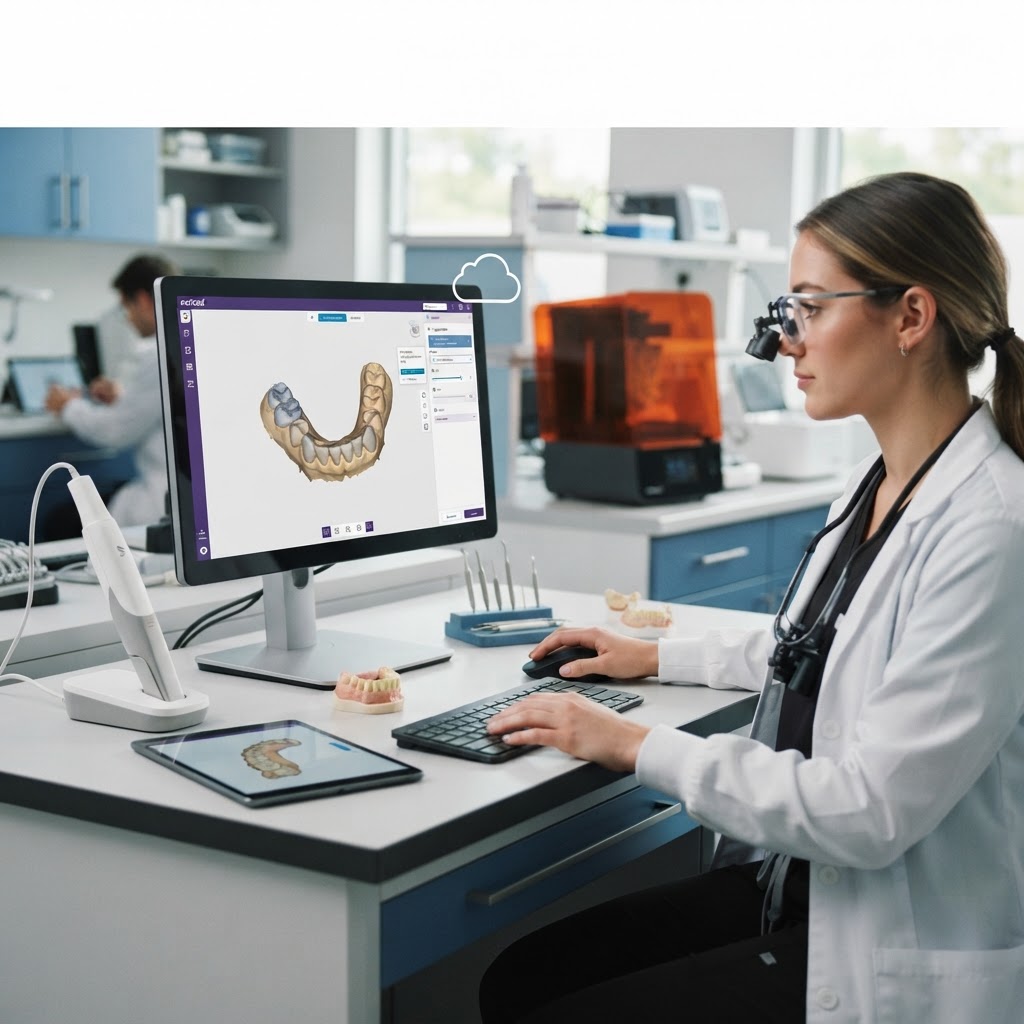
Once a high-quality scan is captured, the next bottleneck in the traditional workflow was often data transfer and communication. The advent of HIPAA-compliant, specialized dental cloud platforms has transformed the relationship between the clinic and the laboratory. By utilizing ecosystems like 3Shape Communicate, Medit Link, or Exocad’s Dentalshare, the 'digital bridge' becomes instantaneous.
Real-Time Consultation and Feedback
Cloud collaboration allows for a level of transparency previously unattainable. As soon as a scan is uploaded, lab technicians can inspect the prep, the margin, and the occlusion. If a prep is insufficient or a scan has a 'blind spot,' the lab can notify the clinician within minutes. This real-time feedback loop ensures that the case proceeds only when the data is perfect, drastically reducing the remake rate and increasing the overall predictability of the final restoration.
Case Tracking and Workflow Transparency
Cloud platforms provide a centralized repository for all case-related data, including 3D models, clinical photographs, and shade matching data. For high-volume clinics, this organizational efficiency is vital. It allows for end-to-end tracking of the restorative journey, providing clinicians with status updates and ensuring that delivery deadlines are consistently met.
The Intelligence Revolution: AI-Assisted CAD Design
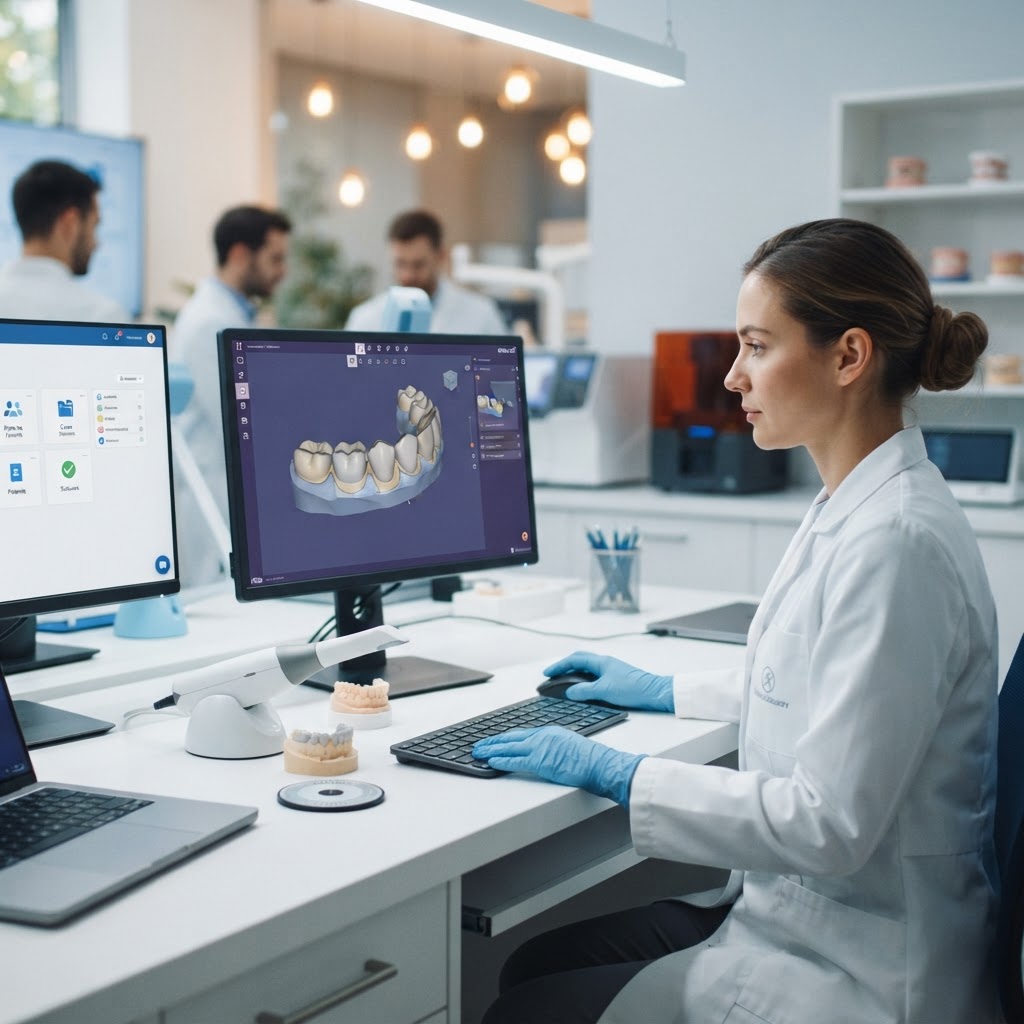
The most transformative recent advancement in dental technology is the integration of Artificial Intelligence (AI) into the restorative design process. AI is no longer a futuristic concept; it is currently being used to automate the most tedious and time-consuming aspects of laboratory work, allowing technicians to focus on the artistry of the final restoration.
Automated Margin Detection and Segmentation
AI algorithms trained on hundreds of thousands of successful cases can now identify and trace preparation margins with incredible speed and precision. While a human technician always performs the final verification, AI-assisted margin detection significantly reduces the initial design time. Furthermore, AI-driven tooth segmentation allows the software to instantly recognize and categorize the surrounding dentition, ensuring that the proposed restoration respects the biological parameters of the patient.
Anatomical Proposal Generation
Modern CAD software now uses 'deep learning' to suggest dental anatomy that is not only esthetically pleasing but functionally sound. By analyzing the patient’s existing dentition and the opposing arch, AI can propose a crown or bridge design that requires minimal chairside adjustment. This level of 'smart design' ensures that every restoration produced by Cosmetic Smile Studio meets a rigorous standard of anatomical accuracy.
Actionable Insights for Implementation
To fully capitalize on these technological advancements, dental practices and laboratories should consider the following strategic steps:
- Standardize Protocols: Establish a consistent digital protocol for all staff members, from the scanning technique to the file upload process. Consistency is the enemy of error.
- Invest in Integration: Choose hardware and software that 'talk' to each other. An open-architecture ecosystem prevents data silos and allows for more flexible laboratory partnerships.
- Embrace Continuing Education: Digital dentistry is evolving rapidly. Regularly training staff on the latest software updates and scanning software features is essential for maintaining a competitive edge.
- Leverage Lab Expertise: View your digital laboratory as a technical partner. Use cloud tools to consult on complex cases during the treatment planning phase, rather than just the production phase.
Conclusion: The Future of the Digital Ecosystem
The optimization of the digital dentistry workflow—through the synergy of intraoral scanners, cloud collaboration, and AI-assisted design—represents a significant leap forward for the profession. This integrated approach doesn't just produce better teeth; it creates a more efficient, predictable, and patient-centric experience. By embracing these tools, clinicians can spend less time on manual adjustments and more time on patient care, while laboratories can deliver restorations of unparalleled precision. At Cosmetic Smile Studio, we are dedicated to staying at the forefront of this digital revolution, ensuring that every case we handle is a testament to the power of modern technology. Contact us today to learn how our integrated digital workflows can elevate your practice to the next level of restorative excellence.