The Evolution of Full-Arch Restorative Dentistry
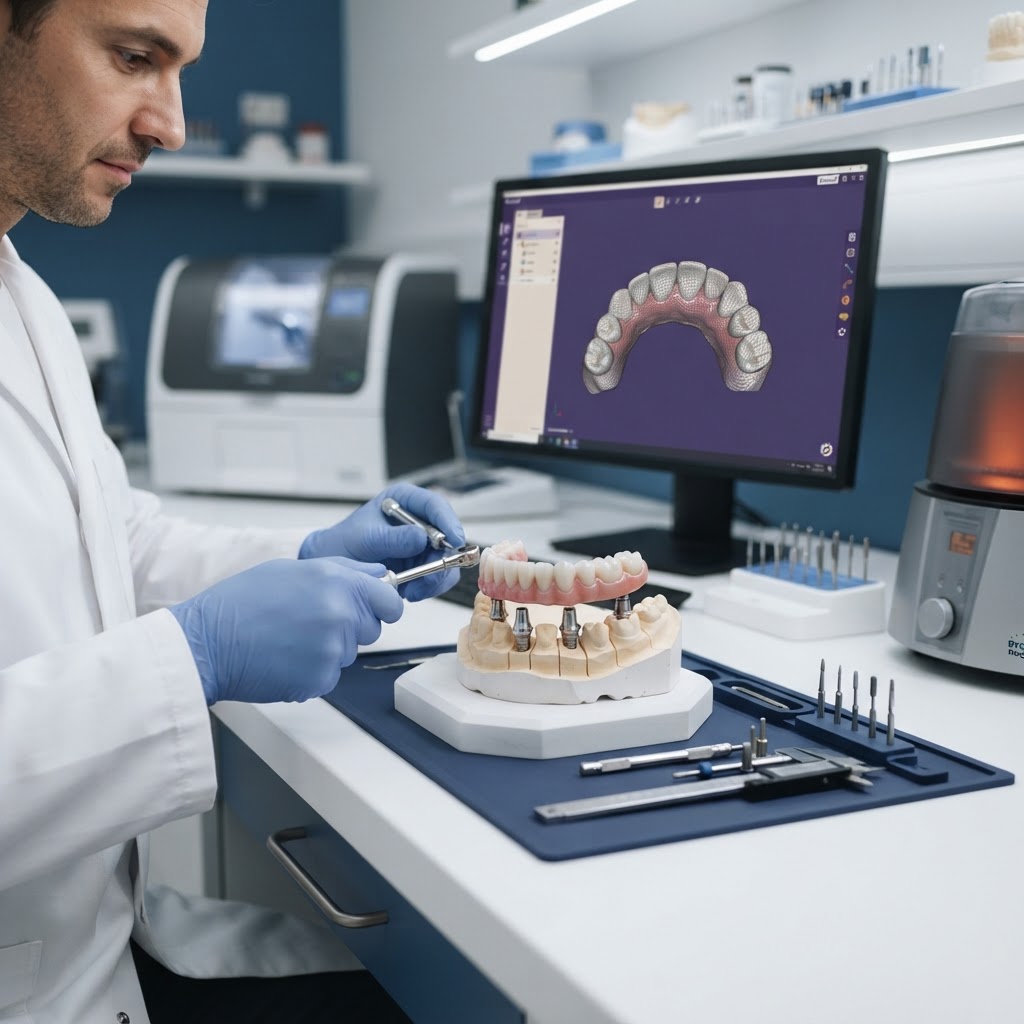
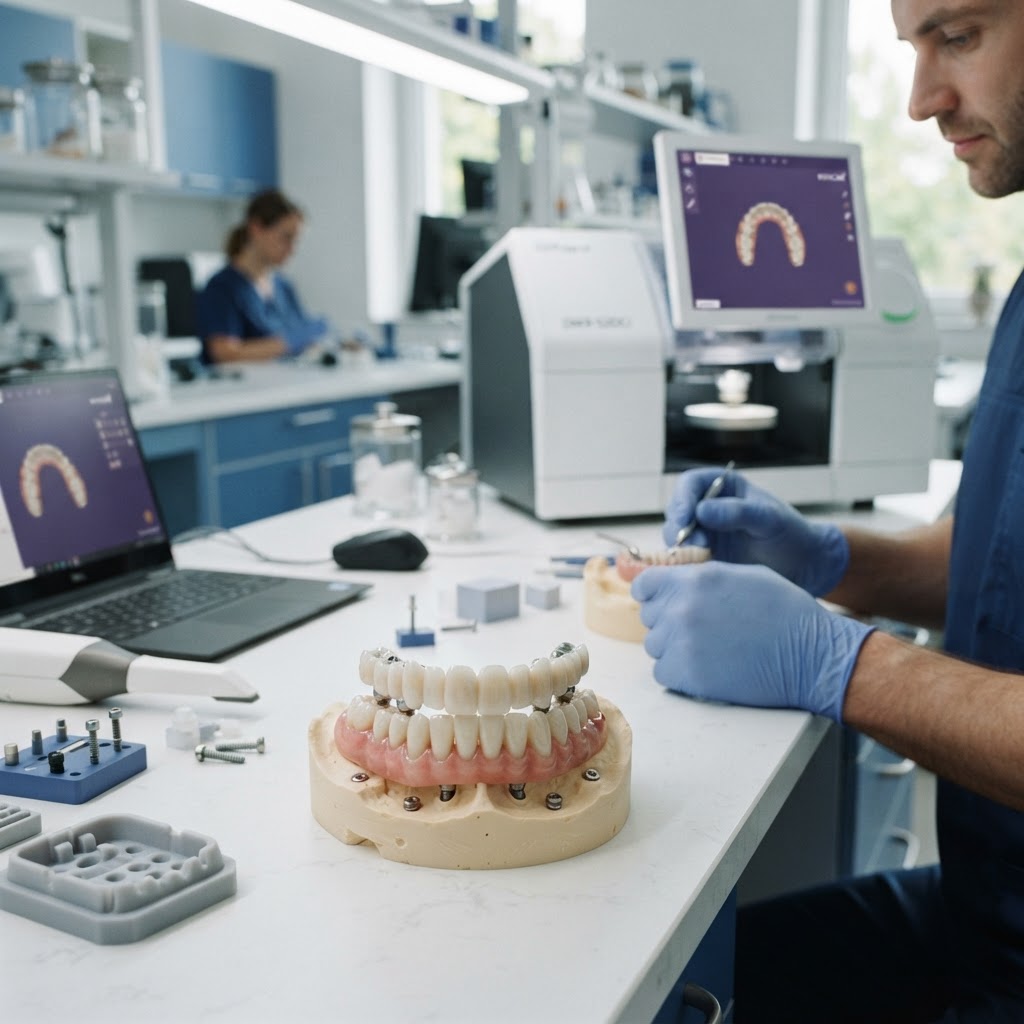
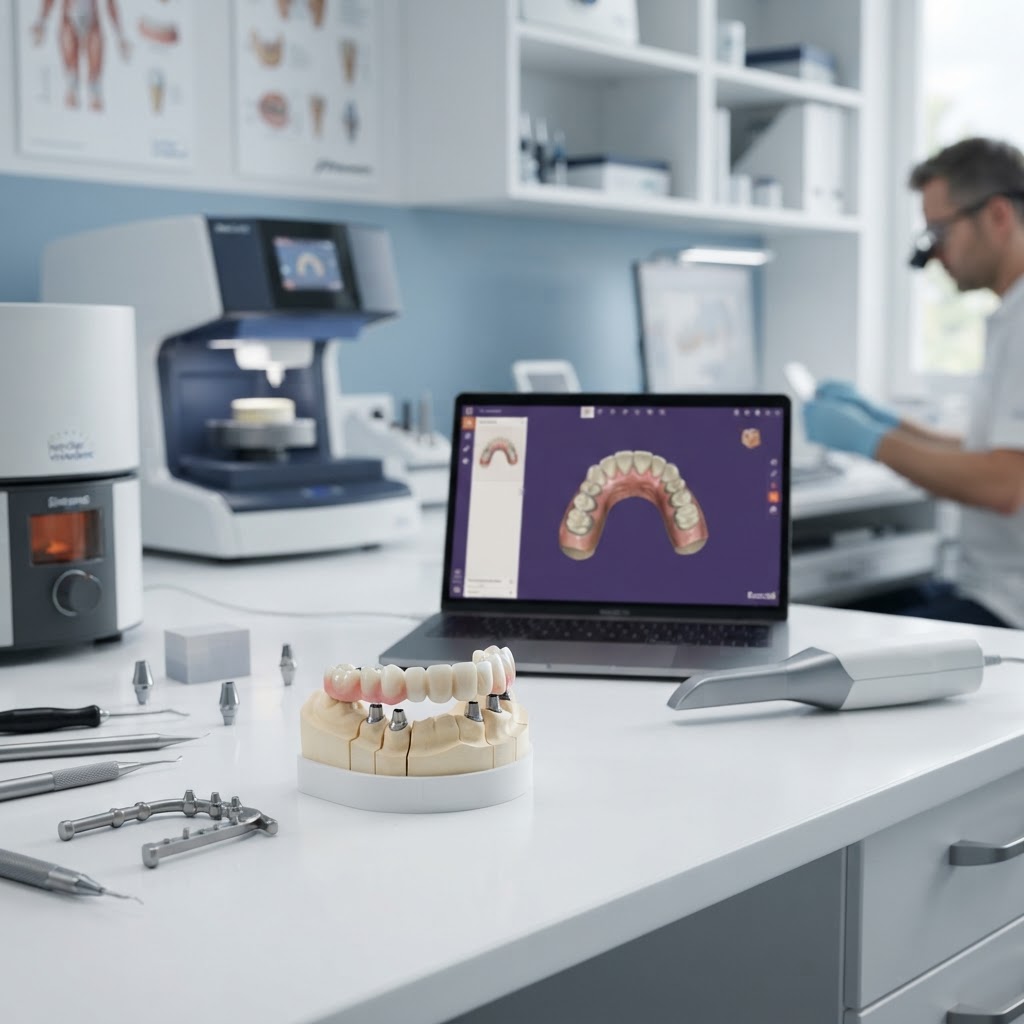
In the rapidly evolving landscape of restorative dentistry, the full-arch implant restoration stands as the pinnacle of clinical and technical synergy. Gone are the days when clinicians and technicians relied solely on labor-intensive, analog conversion techniques that were prone to human error and dimensional instability. Today, the industry is witnessing a seismic shift toward fully digital ecosystems that prioritize speed, precision, and patient-centric outcomes. For the modern dental professional, staying ahead of these trends is not merely an option—it is a prerequisite for clinical excellence and laboratory growth in a competitive marketplace.
High-Performance Materials: Beyond Standard Zirconia
Material science remains the backbone of the full-arch revolution. While monolithic zirconia continues to dominate the market, the focus has shifted from simple strength to a sophisticated balance of aesthetics, weight, and biocompatibility that mimics natural oral architecture.
The Rise of Multilayered Zirconia
Modern multilayered zirconia has resolved the aesthetic challenges of the past. With high translucency at the incisal edge and increased chroma/strength at the gingival margin, these materials allow labs to produce restorations that mimic natural dentition without the risk of porcelain chipping. The 2026 generation of zirconia offers gradients of strength that exceed 1,000 MPa while maintaining the optical properties required for a lifelike appearance. This eliminates the need for bulky, traditional metal frameworks, allowing for thinner, more comfortable prosthetics for the patient.
Bio-Compatible Polymers and Graphene Integration
One of the most significant trends is the adoption of high-performance polymers like PEEK (polyetheretherketone) and Pekkton. These materials provide a modulus of elasticity similar to human bone, which acts as a shock absorber during mastication, reducing the mechanical stress transferred to the dental implants. Furthermore, the introduction of graphene-reinforced resins has introduced a new category of lightweight, durable substructures. These nanostructured materials offer superior tensile strength and fatigue resistance compared to traditional titanium bars, making them ideal for long-term clinical success.
Optimizing Digital Workflows: The Death of the Verification Jig
The transition from analog to digital is most visible in the data acquisition phase. For years, the verification jig was the gold standard for ensuring a passive fit, yet it remained a time-consuming and uncomfortable step for the patient and a frequent point of failure for the lab.
Photogrammetry: The New Standard for Precision
Digital photogrammetry, utilizing systems such as PIC or iCam4D, has revolutionized the way clinicians capture implant positions. By using specialized cameras to locate scan bodies in three-dimensional space, photogrammetry eliminates the inaccuracies inherent in intraoral scanning (IOS) of large edentulous spans. This technology captures the exact geometric relationship between implants in seconds, ensuring a passive fit for the final framework every time. This drastically reduces chair time, eliminates the need for remakes, and allows for a truly 'model-less' workflow that is both efficient and highly accurate.
AI-Driven Design and Cloud Collaboration
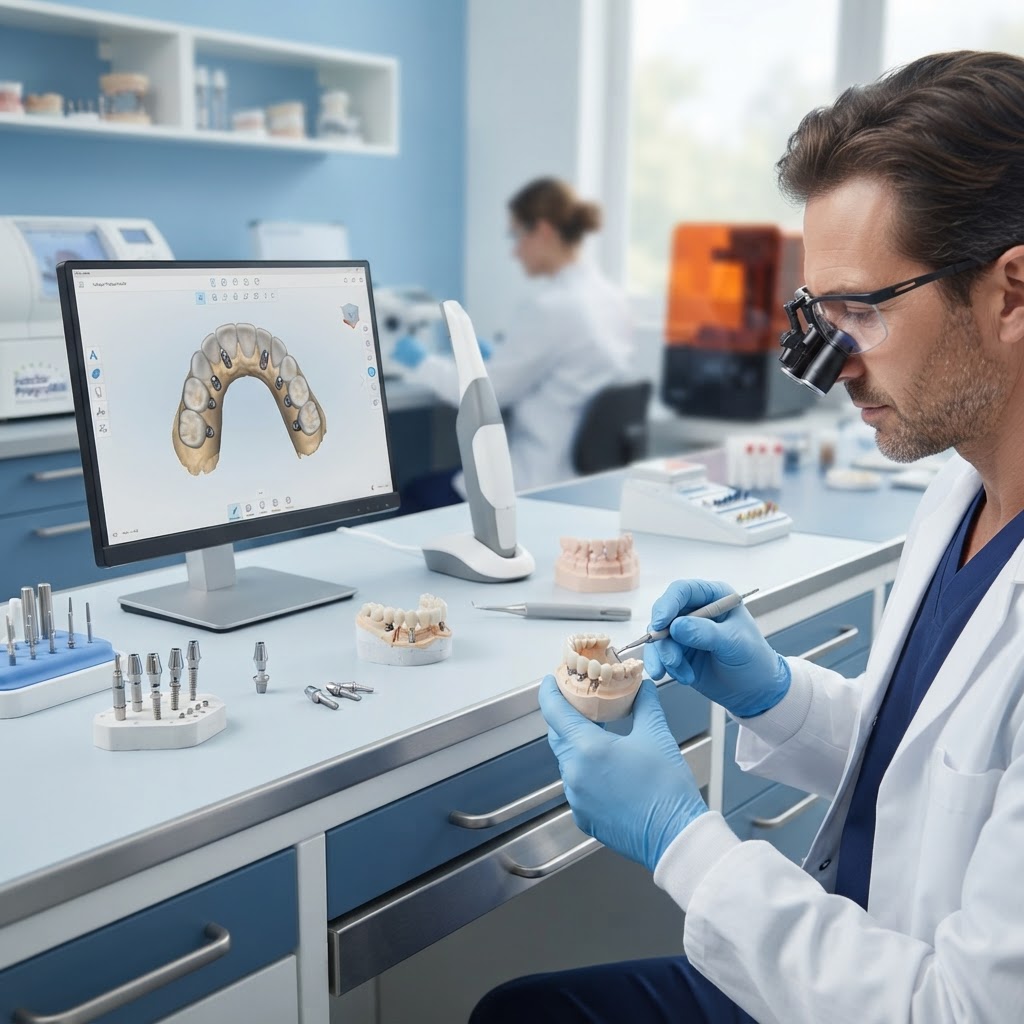
Artificial intelligence is no longer a futuristic concept; it is an active component of the CAD workflow. Current software suites utilize AI to automate tooth libraries and suggest optimal gingival architecture based on the patient's unique anatomy. Cloud-based platforms allow for real-time collaboration between the clinic and the lab, where design files can be reviewed, adjusted, and approved instantaneously. This ensures that the final prosthesis aligns perfectly with the clinical intent and the patient's aesthetic expectations before a single mill is ever turned on.
Facial-Driven Design and Patient-Specific Aesthetics
The modern workflow begins with the face, not just the mouth. Integrating 3D facial scans with intraoral data allows for a 'facially driven' design approach. By visualizing the relationship between the lip line, midline, and smile arc in a 3D environment, technicians can design restorations that harmonize with the patient's unique facial features. This level of customization reduces the need for multiple aesthetic try-ins and ensures high patient satisfaction from day one, as the software can simulate the final smile within the context of the patient's actual face.
The Role of Additive Manufacturing
3D printing has evolved from a prototyping tool to a primary production method. Additive manufacturing allows for the creation of complex surgical guides and precise temporary restorations that are integral to the immediate load protocol. As resin technology continues to advance, we are seeing the emergence of permanent printed restorations and hybrids that offer incredible speed and cost-effectiveness. In 2026, 3D printing is not just about speed; it is about the ability to print bio-active materials that promote tissue health around the implant interface.
Practical Strategies for the Modern Practice
- Invest in Data Accuracy: If your lab is still struggling with fits, prioritize photogrammetry training or encourage your clinical partners to adopt it. It is the single most effective way to improve full-arch predictability and profitability.
- Adopt a Hybrid Approach: Consider using printed prototypes for the initial aesthetic and functional try-in. High-quality 3D printing resins now allow for longer-term temporization, giving patients a realistic preview of the final result while testing the occlusal scheme.
- Prioritize Shock Absorption: For patients with high occlusal forces or bruxism, explore hybrid restorations that combine a polymer substructure with individual ceramic or zirconia crowns to maximize longevity and minimize the risk of implant failure.
- Leverage Facial Scanning: Move beyond static photos. 3D facial scans provide the depth needed for truly accurate digital smile design, ensuring the restoration supports the soft tissue correctly.
Conclusion
The future of full-arch dentistry lies in the seamless integration of biology, material science, and digital precision. As we move further into this digital era, the boundaries between the clinic and the lab continue to blur, replaced by a collaborative, data-driven approach to patient care. By embracing these digital innovations and material advancements, dental professionals can provide life-changing outcomes that are more predictable, durable, and aesthetic than ever before. Success in 2026 and beyond requires a commitment to these new standards of excellence.
Elevate Your Practice with Cosmetic Smile Studio
Ready to master the complexities of the digital full-arch? At Cosmetic Smile Studio, we combine cutting-edge digital workflows with artisan craftsmanship to deliver superior restorative solutions that set your practice apart. Contact our technical team today to discuss your next All-on-X case and experience the precision of our premium digital laboratory services.