The Digital Paradigm in Full-Arch Restorations
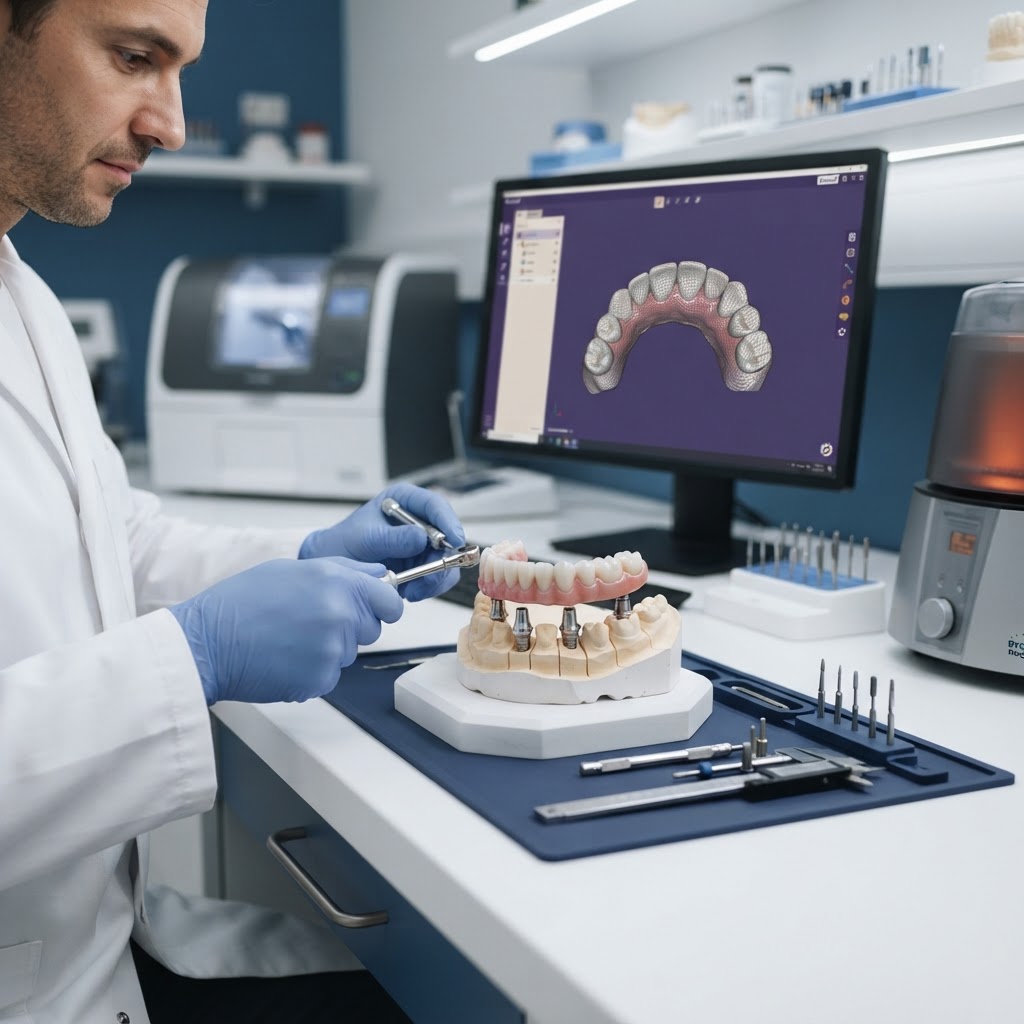
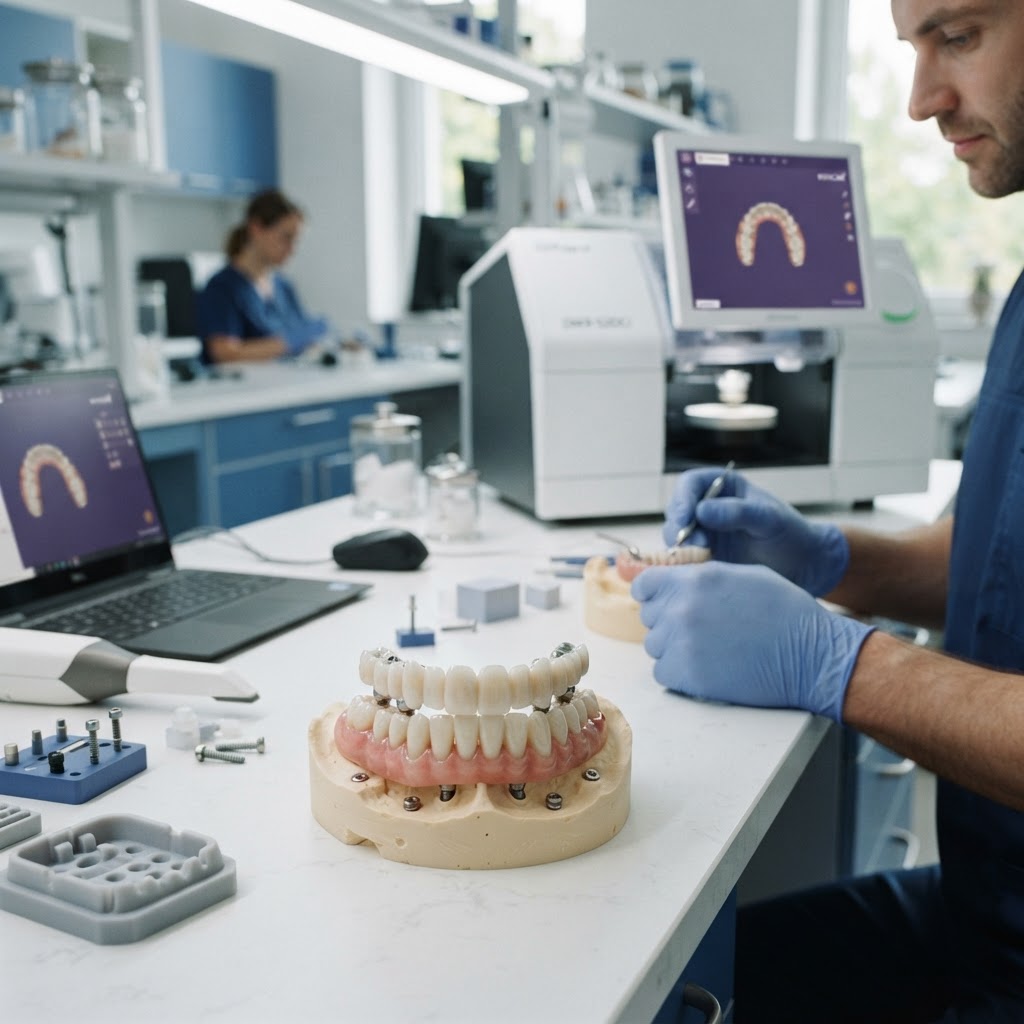
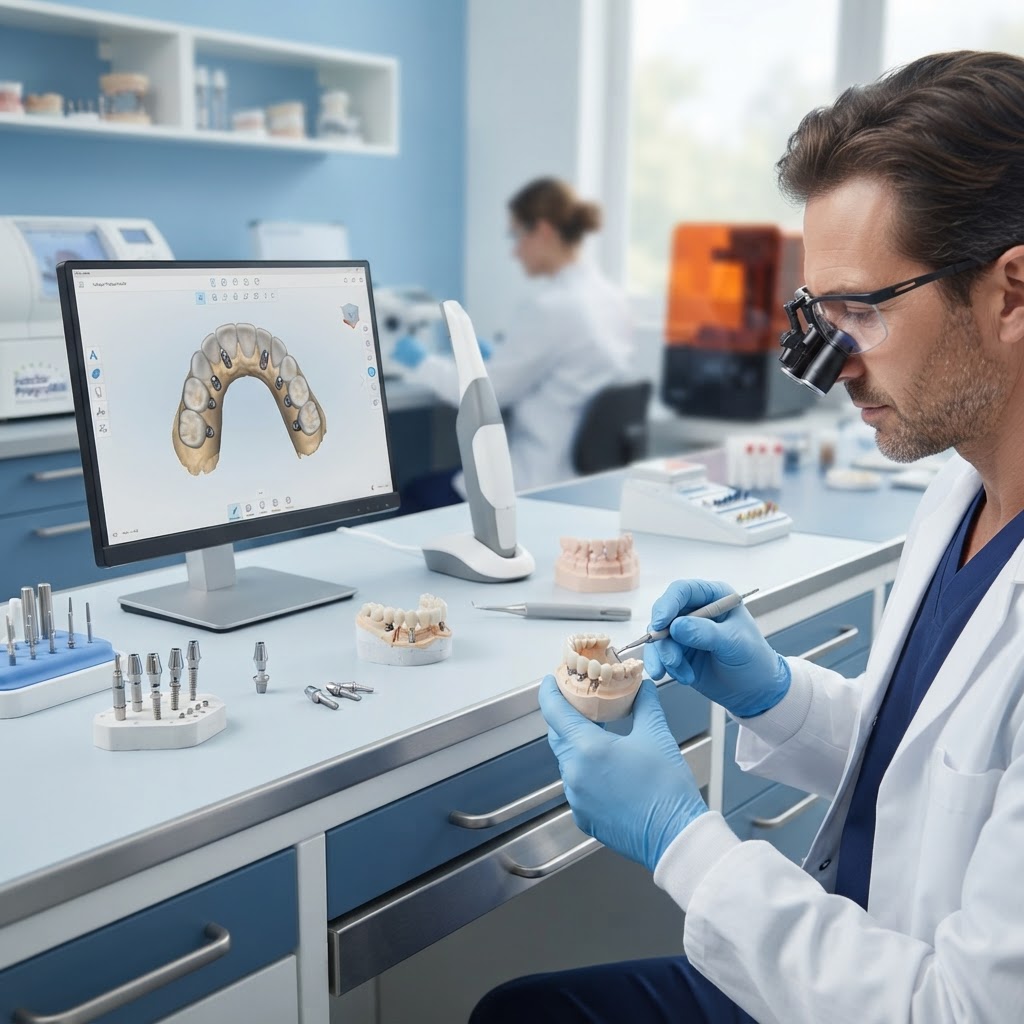
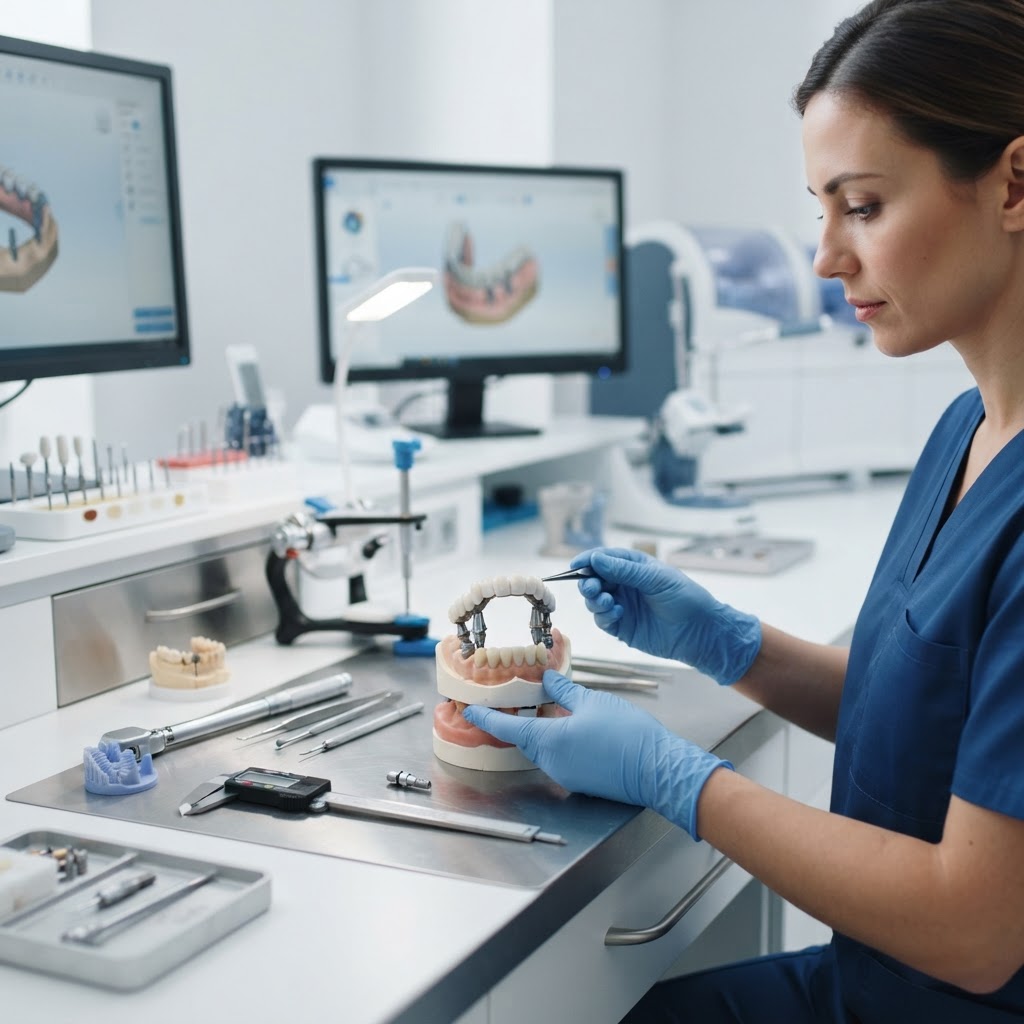
The landscape of full-arch dental restorations has undergone a seismic shift over the last decade. Transitioning from the traditional protocols involving physical impressions and casting to the current digital-first approach has fundamentally changed how dental labs and clinicians collaborate. At Cosmetic Smile Studio, we are seeing a convergence of material science and digital precision that is redefining what is possible for the edentulous patient. The complexity of these cases requires a high level of technical mastery, but the rewards—in terms of patient satisfaction and long-term success—are unparalleled. The shift is not merely about replacing analog tools with digital ones; it is about a complete reimagining of the restorative process to enhance predictability and clinical outcomes.
Advanced Materials: The Foundation of Longevity
Selecting the right material is the first critical step in any full-arch case. The industry is moving away from the metal-acrylic hybrids of the past, which often suffered from wear, staining, and fracture, toward more biocompatible and durable solutions that can withstand the rigors of the oral environment while maintaining high esthetic standards.
Monolithic and Multilayered Zirconia
Zirconia remains the gold standard for full-arch restorations. However, the move from opaque, high-strength versions to multilayered, high-translucency (HT) zirconia has allowed labs to achieve natural-looking results without the risk of porcelain chipping. These materials provide the necessary flexural strength—often exceeding 1200 MPa—while mimicking the gradient of natural dentition. By utilizing monolithic designs, we eliminate the primary failure point of traditional porcelain-fused-to-metal (PFM) restorations: the bond between the metal and the porcelain veneer. Modern milling technology and advanced sintering cycles allow us to capture the finest details in the anatomy, requiring minimal post-processing while ensuring a life-like appearance.
High-Performance Polymers: PEEK and Graphene
For patients who require a more shock-absorbent restoration, high-performance polymers like PEEK (Polyetheretherketone) and graphene-reinforced resins are gaining significant traction. Graphene, in particular, offers a unique combination of lightweight properties and structural integrity. It acts as a shock absorber for the implant-bone interface, which is particularly beneficial for parafunctional patients who might otherwise fracture harder materials or cause damage to the underlying bone. These polymers also provide an excellent solution for the provisional phase, allowing the patient to test the aesthetics and function before the final mill, and can even serve as a permanent framework in specific clinical scenarios.
Refining the Digital Workflow: Accuracy at Scale
The success of a full-arch restoration is dictated by the accuracy of the final impression and the passivity of the fit. Digital tools have removed much of the guesswork and physical variability inherent in traditional methods like the open-tray pick-up impression.
- Photogrammetry and PIC Systems: Systems like the PIC system or Imetric have revolutionized the capture of implant positions. By using specialized flags and stereophotogrammetry cameras, these systems achieve micron-level accuracy across the arch. This virtually eliminates the need for traditional verification jigs, as the digital file is far more accurate than any physical model could be.
- Intraoral Scanning Integration: While intraoral scanning (IOS) has improved, it still faces challenges with long-span edentulous arches due to potential 'stitching' errors. The modern approach involves a hybrid technique: using IOS for accurate soft tissue and palate capture, then merging that data with photogrammetry for the precise location of the implant platforms.
- The Try-In: 3D Printing for Phonetics and Function: 3D printing has become an indispensable part of the workflow. Before milling the final zirconia or polymer bridge, a 3D-printed prototype is provided. This allows the patient to live with the restoration for a week or more, testing the phonetics, aesthetics, and vertical dimension. Feedback is then incorporated digitally before the final milling process begins, ensuring the final result is exactly what the patient expects.
Digital Innovations: AI and Dynamic Visualization
Artificial Intelligence is currently optimizing the design phase of full-arch cases. AI-driven CAD software can now suggest tooth arrangements based on huge databases of natural smiles, significantly reducing the time required for a technician to create a preliminary design while increasing anatomical accuracy. Furthermore, face scanning has become more accessible and integrated. Integrating a 3D face scan allows the technician to visualize the restoration within the context of the patient's facial dynamics, ensuring better midline alignment and smile arc integration. This 'Facially Driven' approach ensures that the teeth are not just beautiful in isolation but also perfect for the patient's unique facial features and lip support requirements.
Practical Insights for the Modern Laboratory
To maximize efficiency and patient satisfaction, labs and clinics should focus on the following pillars of digital success:
- Early Collaboration and Treatment Planning: The most successful cases start with a meeting between the surgeon, the restorative dentist, and the laboratory technician. Utilizing CBCT data alongside digital scans allows for restoratively driven implant placement, ensuring the implants are placed exactly where they need to be for the best aesthetic and functional outcome, avoiding the need for extreme angle-correcting abutments.
- Passive Fit Verification: Passive fit is the holy grail of implant dentistry. Even in a high-tech digital workflow, utilizing a digital verification jig (DVJ) is a smart insurance policy to ensure the frame fits perfectly without any stress on the implants. If the DVJ doesn't seat perfectly, the error can be corrected in the software before the final product is manufactured.
- Cloud-Based Communication Protocols: The sheer size of the files involved in full-arch digital cases requires robust cloud-based sharing platforms. These platforms allow for real-time feedback, design approvals, and adjustments, ensuring that any issues are caught long before the final restoration is delivered to the clinic.
Conclusion
The future of full-arch restoration lies in the seamless integration of advanced materials and high-precision digital workflows. By embracing technologies like photogrammetry, high-translucency zirconia, and AI-assisted design, dental professionals can provide outcomes that are not only faster and more predictable but also superior in fit and longevity. At Cosmetic Smile Studio, we remain at the forefront of this digital transformation, providing our partners with the tools and expertise needed to excel in the complex world of full-arch restorations. Contact us today to learn how our digital lab services can elevate your next full-arch case and provide your patients with a smile that is both functional and beautiful.