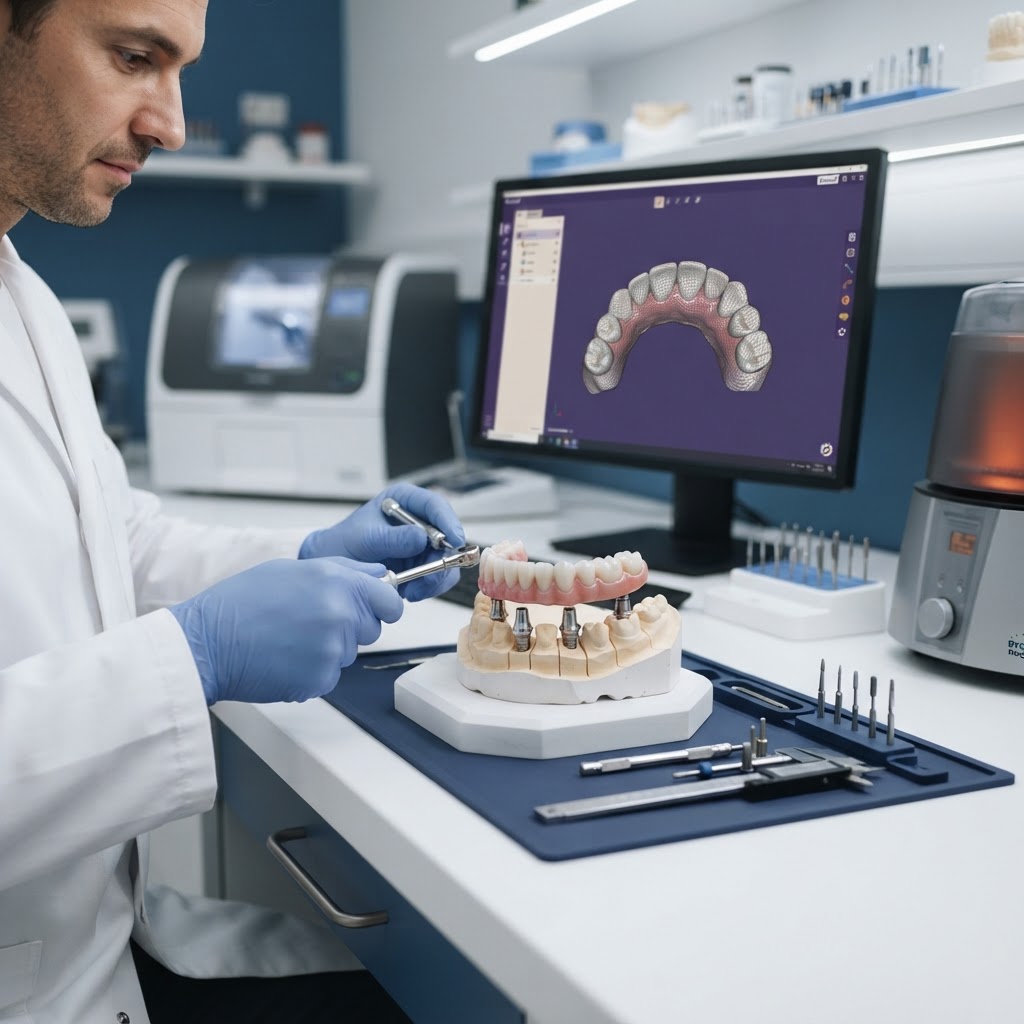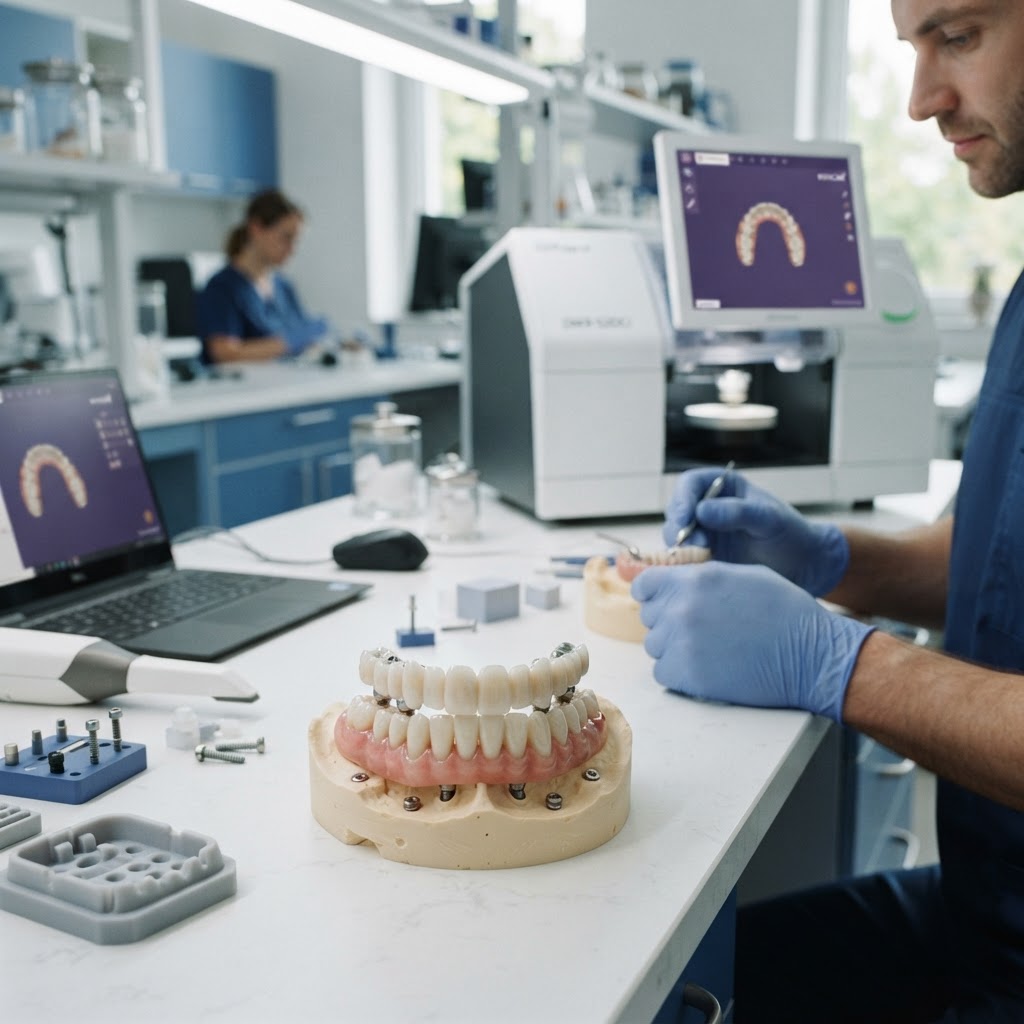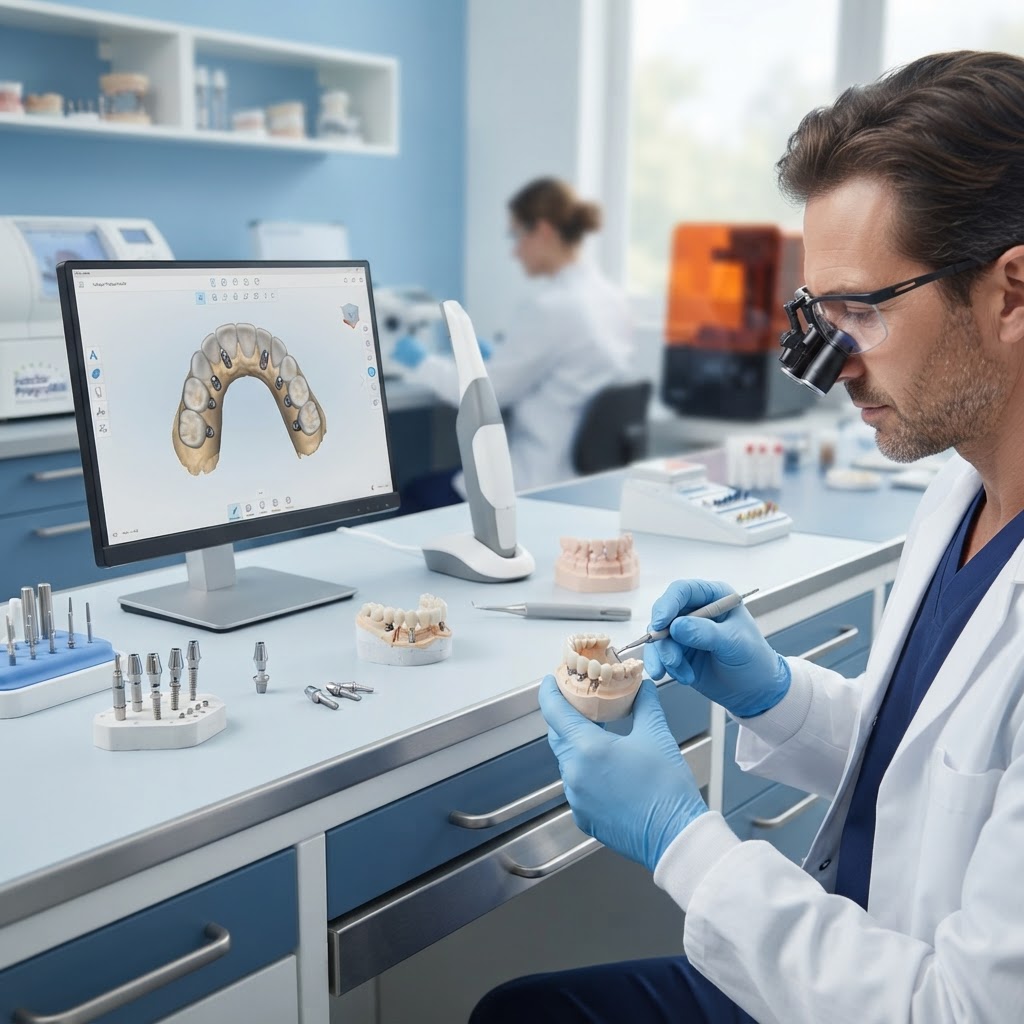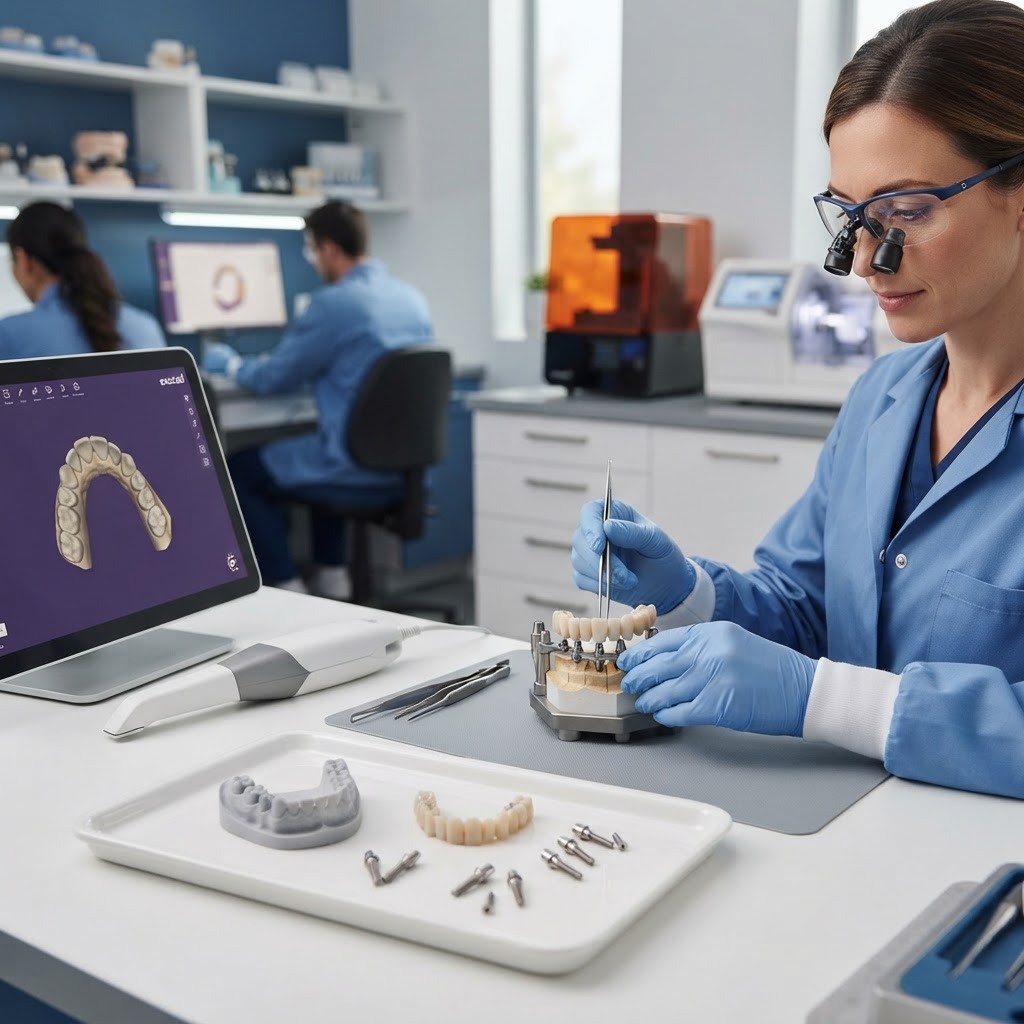
The Evolution of the Full-Arch Restorative Landscape
In the rapidly advancing field of restorative dentistry, the transition from traditional analog methodologies to fully integrated digital workflows is no longer a future projection—it is the current standard. Full-arch implant restorations, often referred to under the 'All-on-X' umbrella, have undergone a radical transformation. As patients demand faster turnaround times, superior aesthetics, and long-term durability, dental laboratories and clinicians must leverage the latest innovations in materials and digital capture to remain competitive. This article explores the cutting-edge trends shaping the full-arch landscape, focusing on high-performance materials, precision workflows, and the digital tools ensuring predictable success.
The Material Renaissance: Beyond Standard Zirconia
For years, monolithic zirconia has been the workhorse of full-arch restorations. However, the industry is moving toward a more nuanced approach to material selection, balancing strength with biological compatibility and aesthetics. While high-translucency, multilayered zirconia remains a staple, new players are entering the field.
High-Translucency Multilayered Zirconia
Modern zirconia discs now feature graduated levels of translucency and strength throughout the layers. This allows for a gingival area with high fracture toughness and an incisal area that mimics the natural light transmission of enamel. The result is a monolithic restoration that requires minimal staining and glazing, reducing the risk of porcelain chipping while maintaining a premium appearance.
Graphene-Reinforced Polymers
Graphene is making significant waves in the provisional and long-term temporary phase. Materials like G-CAM provide a unique combination of flexibility and strength. Unlike traditional PMMA, graphene-reinforced polymers offer improved mechanical properties that reduce stress on implants during the osseointegration phase, acting as a shock absorber while maintaining excellent wear resistance.
High-Performance Polymers (PEEK and PEKK)
For patients with specific mechanical needs or metal sensitivities, PEEK (Polyetheretherketone) frameworks with individual lithium disilicate or composite crowns are gaining traction. These materials offer a modulus of elasticity closer to human bone, potentially improving the long-term health of the implant-bone interface.
Digital Precision: The Photogrammetry Revolution
One of the greatest challenges in full-arch dentistry has always been the 'passive fit.' Traditional impressions and even standard intraoral scanners (IOS) can introduce dimensional inaccuracies over long spans. Enter photogrammetry.
- Eliminating Analog Errors: Systems like PIC or Imetric allow clinicians to capture the precise spatial relationship of implants in minutes. By utilizing specialized scan bodies and high-resolution camera arrays, these systems generate a digital geometry file with micron-level accuracy.
- Workflow Speed: By bypassing the need for verified jigs and stone models, photogrammetry reduces the number of patient appointments. The lab receives a 'golden file' that ensures the final framework will seat perfectly every time.
- IOS Limitations: While IOS is excellent for soft tissue and single-unit work, the cumulative error of 'stitching' images over a full arch can lead to stress on the implants. Photogrammetry bridges this gap, providing the missing link in a truly digital full-arch workflow.
The All-Digital Workflow: From Planning to Final Delivery
The modern full-arch workflow is a testament to the power of data integration. The process begins long before the first incision is made, utilizing a 'top-down' prosthetic-driven approach.
Digital Smile Design and AI Integration
Artificial Intelligence is now assisting technicians in tooth arrangement and gingival architecture. By analyzing facial scans and 2D photos, AI algorithms suggest tooth positions that harmonize with the patient's unique facial features. This digital wax-up serves as the blueprint for both the surgical guide and the provisional restoration.
Stacked Surgical Guides
The era of freehand implant placement for full arches is fading. Stacked guide systems allow for a seamless transition from bone reduction to implant placement and immediate provisionalization. These guides ensure that the implants are placed exactly where the prosthetic design dictates, maximizing the use of available bone and ensuring optimal screw access holes.
Actionable Insights for the Modern Laboratory
To succeed in this evolving market, dental labs must transition from being mere fabricators to becoming strategic partners for their clinical clients. Here are key areas to focus on:
- Invest in Data Validation: Implement protocols to verify digital impressions. If a scan looks questionable, request a photogrammetry capture or a verification jig before milling the final zirconia bridge.
- Master Characterization: As monolithic materials become the norm, the value-add of a lab lies in the artistry of pink esthetics and micro-layering. Invest in high-quality gingival composites and stains.
- Communication via Cloud: Use cloud-based platforms to share 3D designs with clinicians in real-time. This collaborative approach reduces remakes and ensures the clinician, lab, and patient are aligned on the aesthetic goals.
Conclusion: Embracing the Future of Full-Arch Restoration
The convergence of advanced material science and digital precision is ushering in a new era for full-arch implant dentistry. By adopting technologies like photogrammetry, high-performance polymers, and AI-assisted design, dental professionals can deliver restorations that are not only aesthetically stunning but also biologically sound and mechanically durable. The transition to these workflows requires an investment in both technology and education, but the reward is a predictable, efficient, and highly profitable practice model. As we look toward 2026 and beyond, the ability to master these digital innovations will define the leaders in the cosmetic and restorative industry.
Ready to elevate your full-arch outcomes? Partner with Cosmetic Smile Studio to integrate these advanced digital workflows into your practice today.