The Evolution of Precision: Why 5-Axis Milling is the New Industry Standard
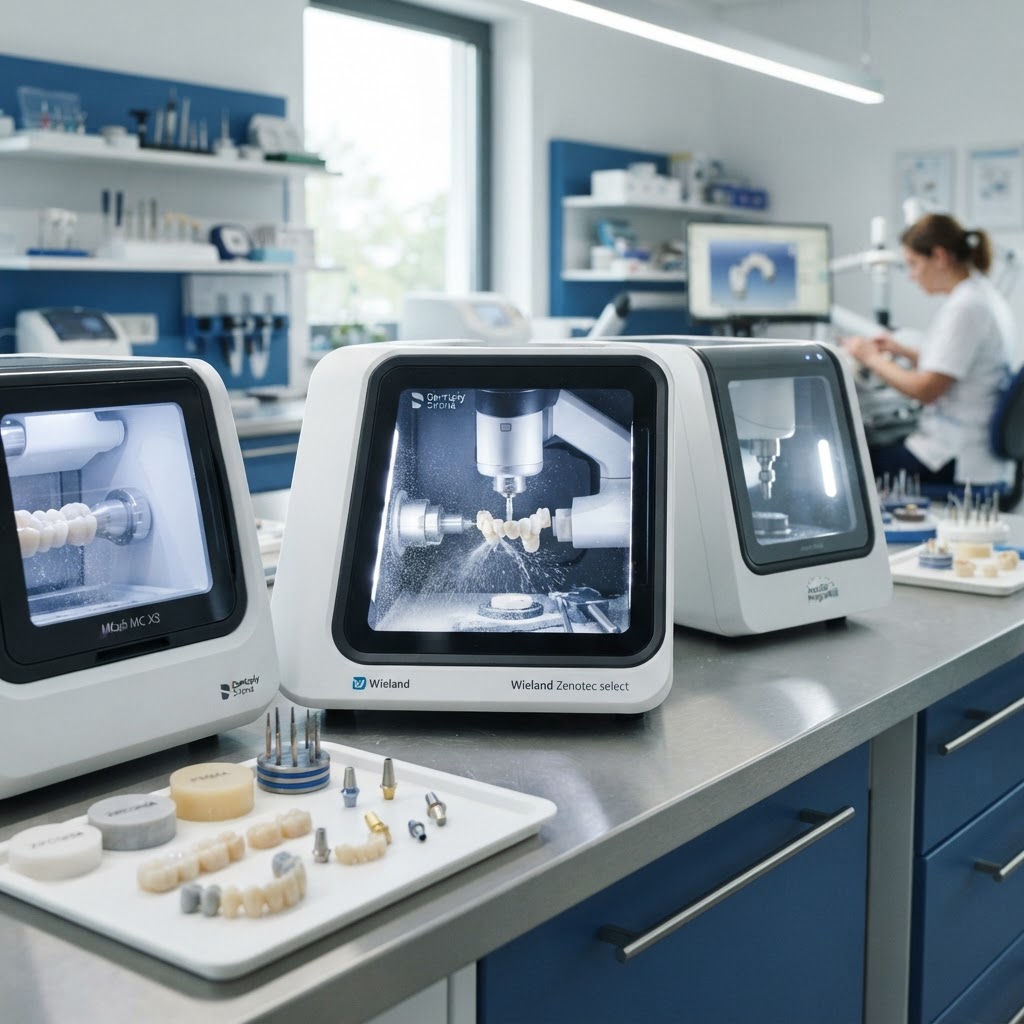
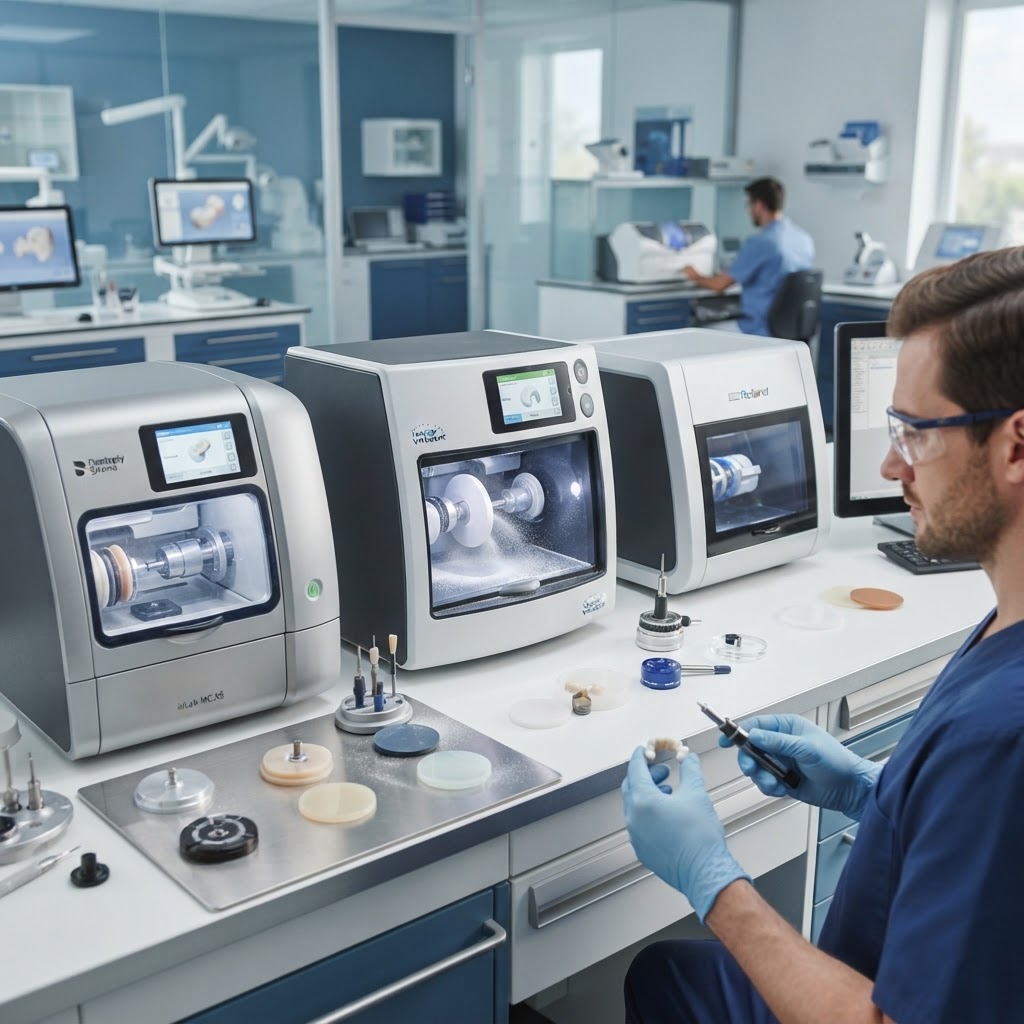
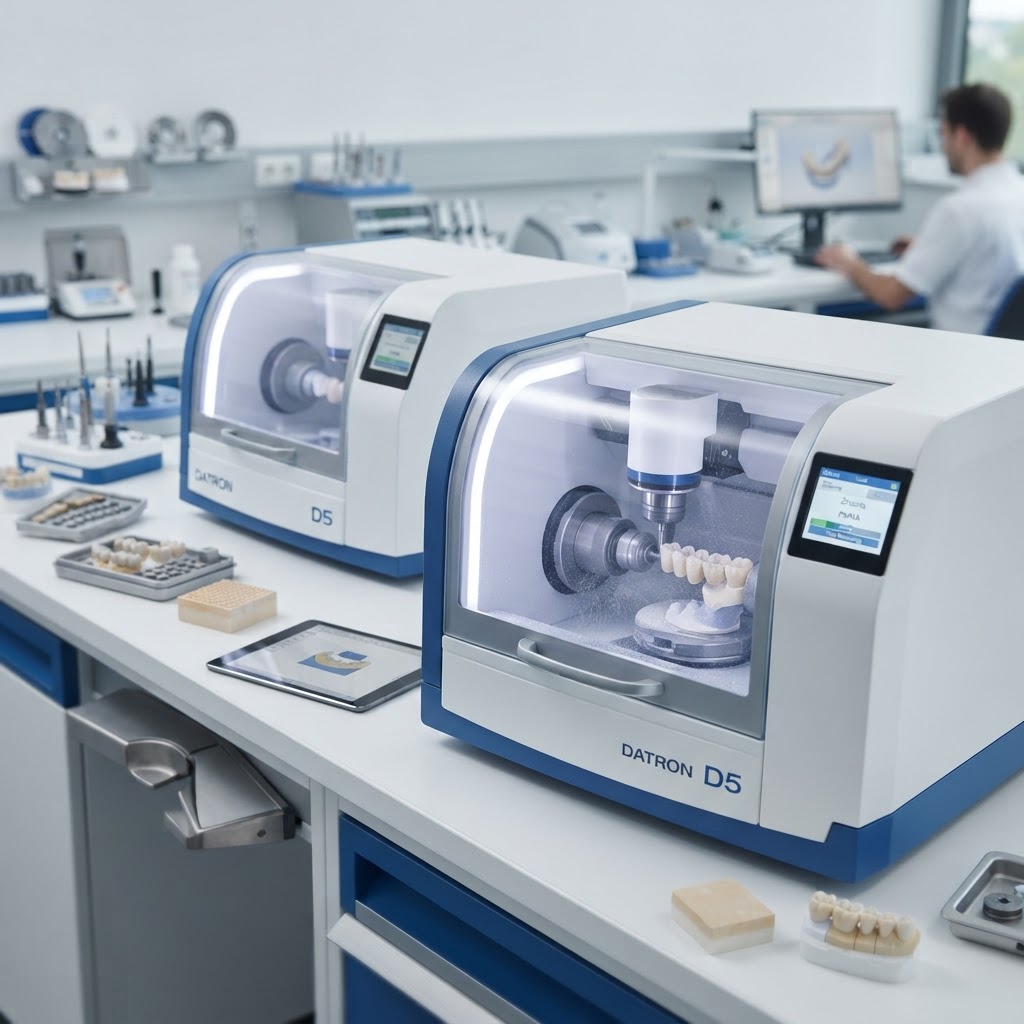
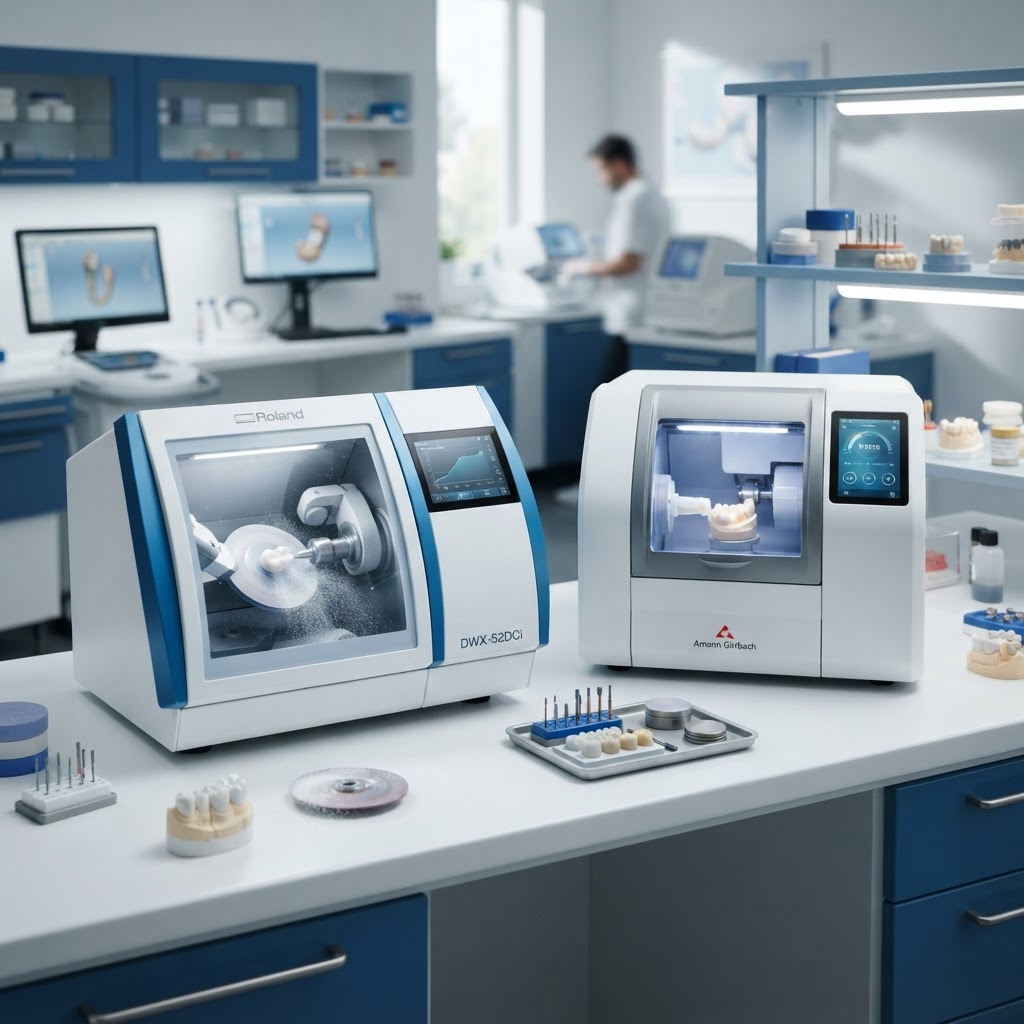
In the rapidly evolving landscape of digital dentistry, the transition from traditional 3-axis and 4-axis systems to advanced 5-axis milling represents a quantum leap in restorative capabilities. As dental labs face increasing pressure to deliver high-aesthetic, complex restorations with tighter margins, the geometry of the mill itself becomes a critical factor. Unlike its predecessors, a 5-axis dental milling machine moves across the X, Y, and Z linear axes while simultaneously rotating on the A and B axes. This multi-directional movement allows the cutting tool to approach the workpiece from any angle, effectively eliminating the limitations of undercuts and complex morphology that often plague simpler systems.
For the modern cosmetic dental laboratory, 5-axis technology is no longer a luxury; it is the foundation of a competitive digital workflow. This guide explores the technical nuances of these machines, comparing how precision, speed, and material versatility impact the bottom line and clinical outcomes.
The Geometry of Accuracy: Understanding the 5-Axis Advantage
Precision in dental milling is measured not just by the machine's ability to follow a toolpath, but by its ability to maintain stability under load. The addition of the fourth and fifth axes allows for more than just 'reaching' difficult areas; it enables the tool to maintain an optimal angle of attack relative to the material surface. This translates to several key advantages:
- Undercut Management: 5-axis machines can mill deep undercuts in bridge frameworks and complex implant-supported structures without the need for manual post-processing.
- Surface Finish Quality: By maintaining a constant tool-to-part orientation, the machine reduces vibration and tool deflection, resulting in smoother surfaces that require less polishing.
- Anatomic Detail: Fine details in the occlusal anatomy of crowns and the intricate margins of veneers are preserved with greater fidelity compared to 3+2 axis positioning.
Dynamic vs. Positional 5-Axis Milling
It is important for lab owners to distinguish between positional (3+2) and continuous 5-axis milling. While positional milling locks the rotational axes before the cutting begins, continuous 5-axis milling adjusts all axes simultaneously during the cut. For complex full-arch cases and high-end cosmetic veneers, continuous movement is essential for achieving the necessary fluid transitions and margin integrity.
Speed vs. Stability: The Spindle and Motor Debate
When comparing milling machines, speed is often the most touted metric. However, raw RPM (Revolutions Per Minute) is only part of the equation. A machine that mills at 60,000 RPM but lacks a rigid chassis will produce micro-chatter, leading to microscopic fractures in zirconia and ceramic materials. The true measure of speed in a professional lab environment is 'cycle time with quality'.
High-end 5-axis mills utilize heavy, vibration-dampening bases (often cast iron or polymer concrete) and precision-balanced spindles. This allows for higher feed rates—the speed at which the tool moves through the material—without compromising the integrity of thin margins. Labs should evaluate machines based on:
- Spindle Power: Higher wattage (kW) allows for more aggressive milling of hard materials like Cobalt Chrome and Titanium without stalling.
- Acceleration/Deceleration: Advanced motion control software reduces the time the machine spends 'thinking' between toolpath segments.
- Tool Change Efficiency: Integrated automatic tool changers (ATC) with high capacity (15+ tools) minimize downtime between disparate material types.
Material Versatility: From Zirconia to Bio-Polymers
The versatility of a 5-axis mill is defined by its ability to handle a diverse material library. Modern labs are no longer restricted to just zirconia; they must now process glass ceramics, PMMA, PEEK, and even metals. The choice often comes down to a 'Dry' vs. 'Wet' vs. 'Hybrid' configuration.
Dry Milling: The Zirconia Powerhouse
Most 5-axis machines are optimized for dry milling, which is ideal for zirconia, PMMA, and wax. The primary challenge here is dust management. Advanced suction systems and ionized air blasts are critical for preventing the buildup of fine zirconia dust, which can act as an abrasive on the machine's internal components.
Wet Milling: Precision in Glass and Hybrid Ceramics
For lithium disilicate (e.g., IPS e.max) and other glass ceramics, a wet milling system is mandatory to prevent thermal stress and material chipping. The coolant fluid acts as both a lubricant and a temperature regulator. High-end hybrid machines allow for a seamless transition between wet and dry modes, though this requires meticulous cleaning protocols to prevent cross-contamination.
Metal Milling: The Frontier of Hard Material Processing
Milling Titanium or Cobalt Chrome for bars and custom abutments requires a machine with exceptional torque and rigidity. While many 5-axis mills claim to be 'metal-capable,' only those with specialized cooling systems and reinforced spindles can sustain long-term production of hard metals without excessive wear and tear.
Automation and the Future-Proof Laboratory
As we look toward 2026 and beyond, the integration of automation within the 5-axis workflow is becoming the primary driver of ROI. Features that were once considered premium are now essential for scaling operations:
- Disc Changers: Automatic disc changers (up to 10 or 20 slots) allow for 'lights-out' manufacturing, enabling the machine to run overnight across multiple material types.
- Integrated Sensors: Tool breakage sensors and automatic calibration routines ensure that the machine maintains micron-level accuracy without constant human intervention.
- Open Ecosystems: The ability to import STL/OBJ files from any CAD software (Exocad, 3Shape, etc.) ensures that the mill remains a versatile asset as software technology evolves.
Strategic Implementation: Choosing the Right 5-Axis System
Selecting the right 5-axis mill requires a balanced assessment of your lab's specific output. A boutique lab focused on high-end anterior esthetics may prioritize a machine with the highest spindle resolution and small tool compatibility (0.3mm burs). Conversely, a high-volume production center will prioritize disc capacity, spindle durability, and rapid feed rates.
Regardless of the specific model, the shift to 5-axis technology is a commitment to quality. It reduces the manual labor associated with finishing, minimizes remakes due to fit issues, and expands the range of clinical solutions a lab can offer to its partnering clinicians.
Conclusion: Elevating the Standard of Care
The transition to advanced 5-axis milling is a transformative step for any dental laboratory. By understanding the interplay between axis geometry, spindle stability, and material science, lab owners can invest in technology that not only improves current efficiency but also paves the way for future restorative innovations. Precision is no longer a goal—it is a requirement.
Is your lab ready to transition to the next level of digital precision? Contact Cosmetic Smile Studio today to learn how our advanced milling workflows can integrate with your practice to deliver unparalleled restorative results.