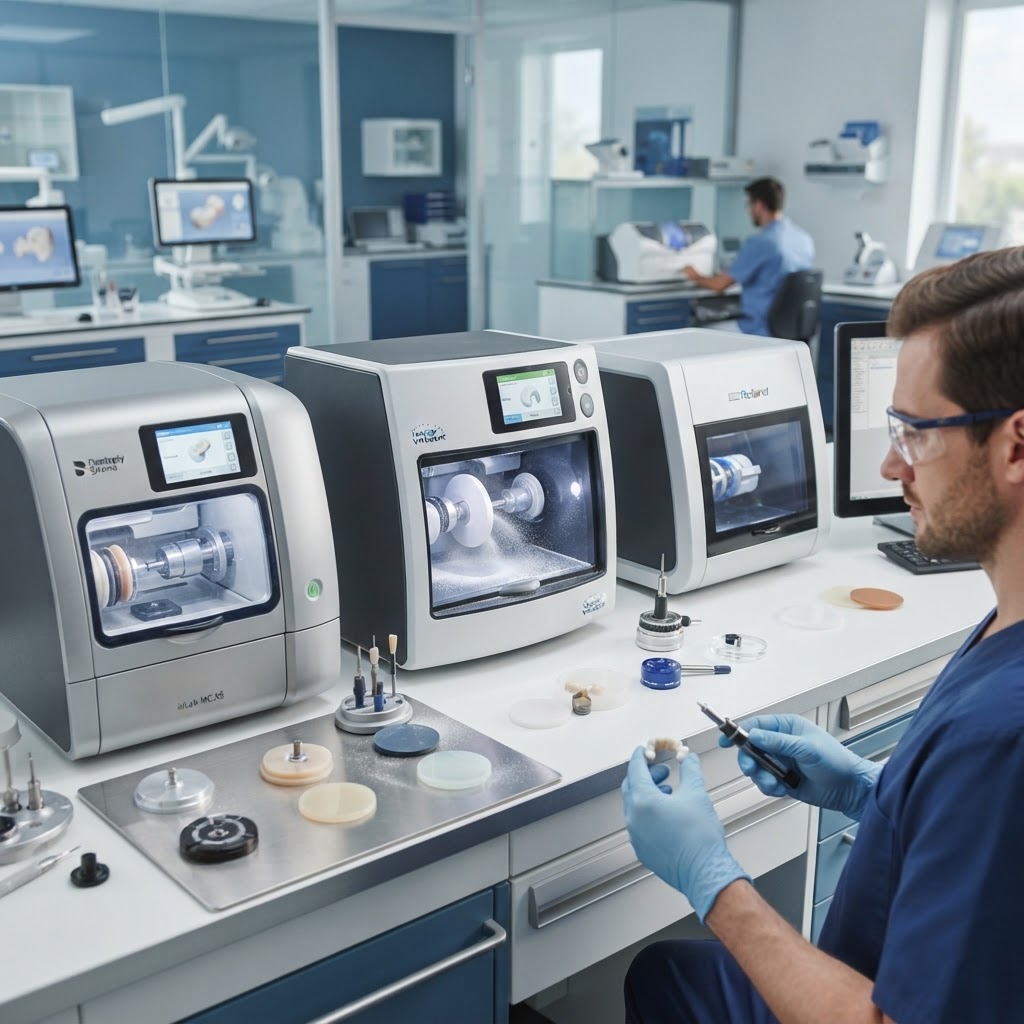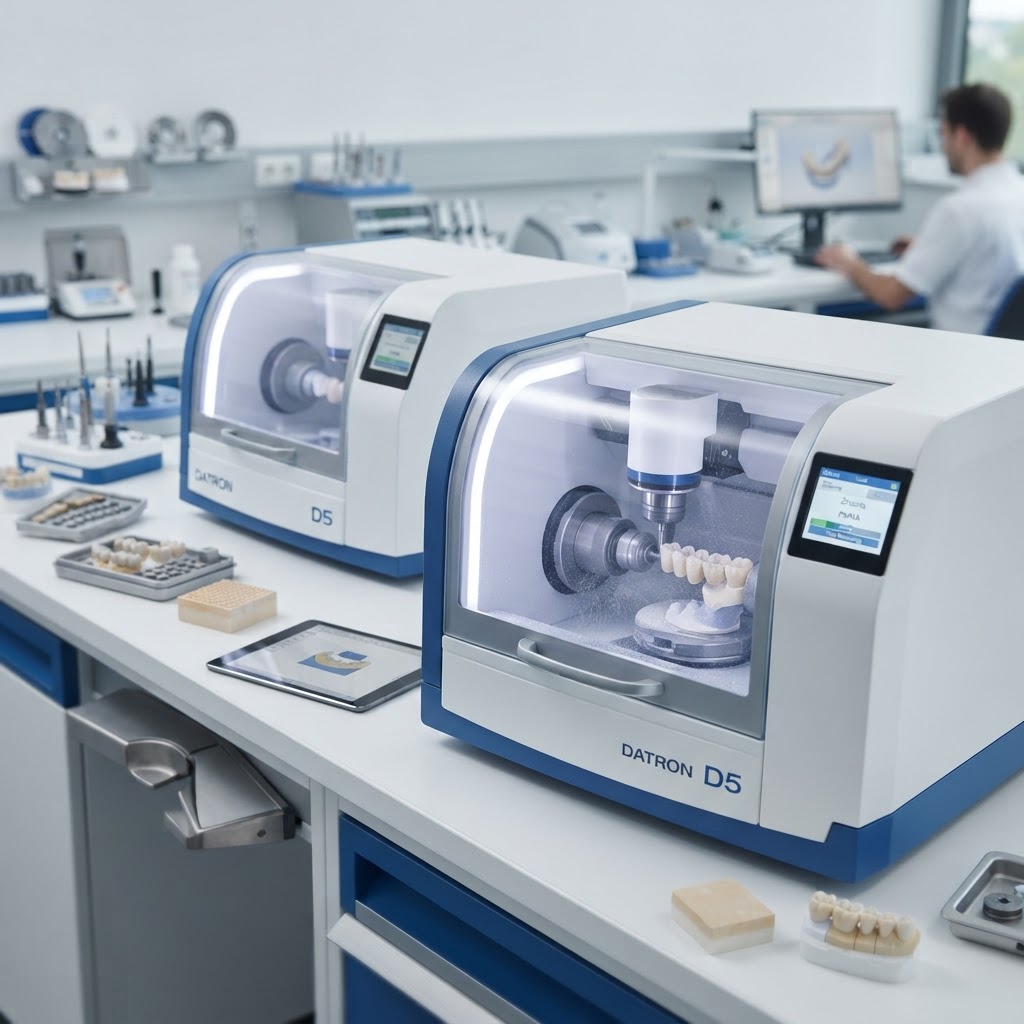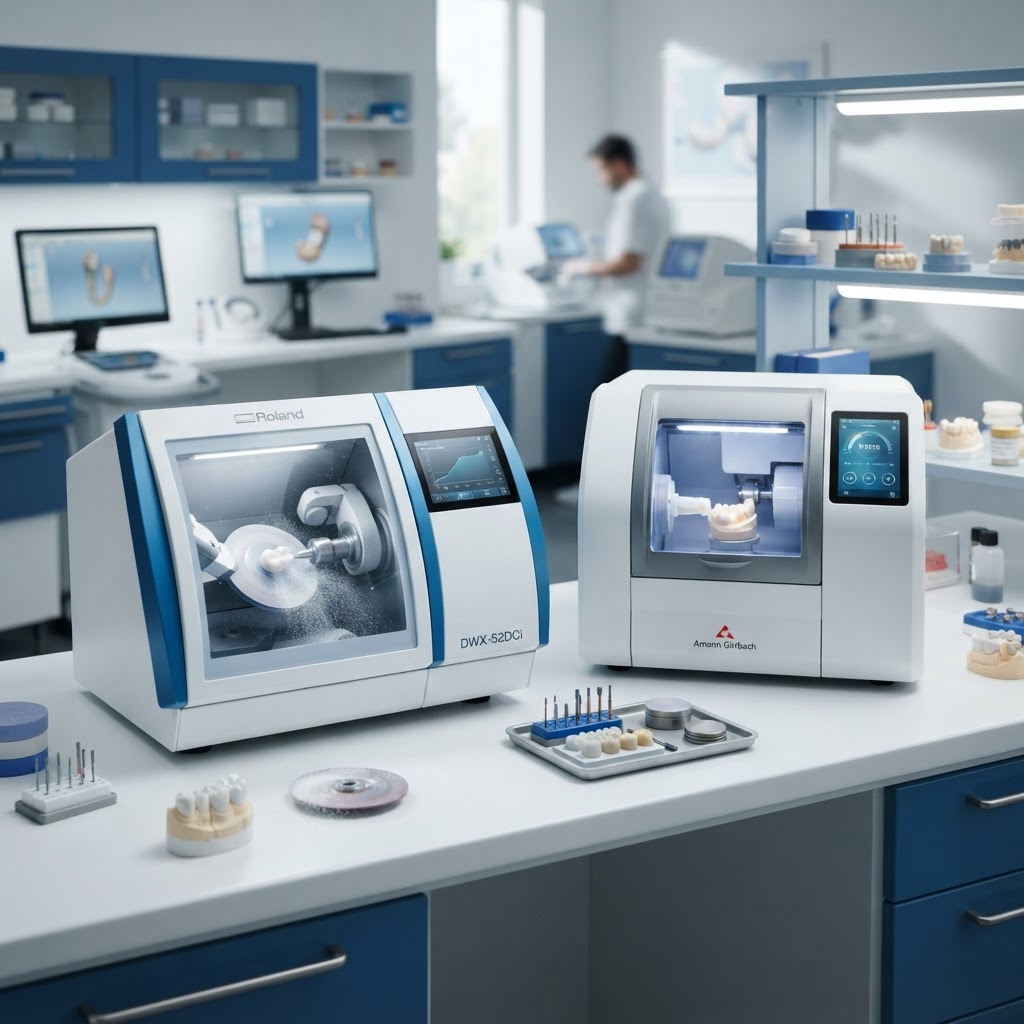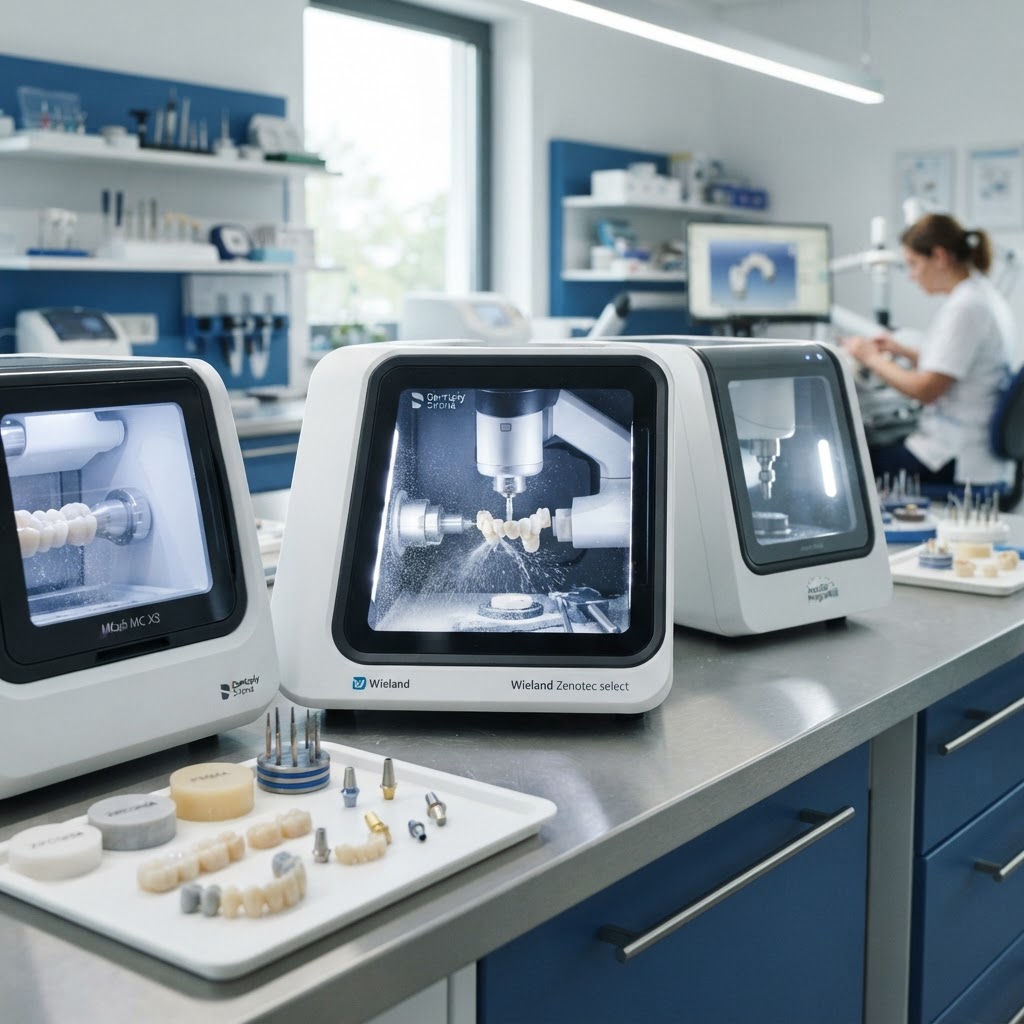
The Digital Frontier: Why 5-Axis Milling is the New Laboratory Standard
In the rapidly evolving landscape of digital dentistry, the transition from manual craftsmanship to automated precision is no longer a luxury—it is a competitive necessity. At the heart of this transformation lies the 5-axis dental milling machine. Unlike its 3-axis or 4-axis predecessors, the 5-axis system introduces a level of geometric freedom that allows for the creation of highly complex, aesthetically superior restorations with minimal manual intervention. For the modern dental lab, understanding the nuances of these machines is critical to selecting the right technology for long-term growth.
The Architecture of Precision: Understanding the Five Axes
To appreciate the superiority of 5-axis milling, one must first understand the mechanical constraints of fewer axes. A 3-axis machine moves along the X, Y, and Z planes, which is sufficient for basic crowns and bridges but struggles with deep undercuts and complex morphology. A 4-axis machine adds rotation (the A-axis), allowing for better positioning, yet it still faces limitations in full-arch cases or divergent implants.
A true 5-axis milling machine incorporates two rotational axes (typically A and B). This enables the spindle or the material holder to tilt and rotate simultaneously, allowing the milling tool to approach the workpiece from virtually any angle. The practical benefits include:
- Undercut Management: The ability to mill deep undercuts without repositioning the material, which is essential for complex implant-supported bridges.
- Anatomic Detail: Enhanced precision in occlusal anatomy and marginal integrity, reducing the need for post-processing.
- Tool Reach: The 5th axis allows shorter, more stable tools to reach areas that would otherwise require long, vibrating tools on a 3-axis system.
Speed vs. Accuracy: The Performance Balance
In the high-volume environment of a commercial dental lab, throughput is a primary KPI. However, speed should never compromise the structural integrity of the restoration. When comparing 5-axis machines, speed is determined by more than just the spindle's RPM.
Spindle Power and Stability
Higher wattage spindles (often ranging from 300W to 2.5kW) allow for faster material removal rates without overheating the tool or the material. Stability is equally important; a heavy, vibration-dampened chassis (often made of cast iron or polymer concrete) ensures that even at high speeds, the precision remains within the 5-10 micron range.
Dynamic Milling Strategies
Modern CAM software paired with advanced 5-axis hardware utilizes 'dynamic milling' paths. These strategies maintain a constant chip load on the tool, allowing for faster feed rates and extending tool life by up to 30%. When evaluating machines, labs should look for the synergy between the hardware controllers and their preferred CAM software (such as MillBox or hyperDENT).
Material Capabilities: From Zirconia to Cobalt-Chrome
The versatility of a 5-axis machine is perhaps its most significant ROI driver. A laboratory's ability to pivot between materials determines its market reach. Most high-end 5-axis machines fall into two categories: dry-milling or wet-milling (or hybrid systems).
- Zirconia and PMMA: Primarily milled dry. 5-axis machines excel here by producing smoother surfaces on pre-sintered zirconia, which reduces the risk of micro-cracks during the sintering process.
- Glass Ceramics and Composites: These require wet milling to manage heat and prevent chipping. The 5-axis capability is crucial for the delicate margins of veneers and inlays.
- Hard Metals (CoCr and Titanium): Milling these materials requires extreme rigidity and high-torque spindles. 5-axis movement allows for the precise creation of custom abutments and bar-supported overdentures with industrial-grade accuracy.
Automation and Smart Features
The latest generation of 5-axis mills incorporates automation that allows for 'lights-out' manufacturing. Key features to consider include:
- Automatic Disc Changers (ADC): Systems that can hold 6 to 30 discs allow the lab to run overnight, switching between different materials and shades without human intervention.
- Intelligent Tool Management: Haptic sensors and optical tool measurers check for tool wear or breakage in real-time, automatically swapping to a sister tool if a failure is detected.
- Remote Monitoring: Cloud-based apps that allow lab managers to monitor milling progress, temperature, and maintenance needs from a smartphone.
Actionable Insights for Laboratory Investment
When selecting a 5-axis milling machine, consider these three strategic factors:
- Evaluate Your Indications: If your lab focuses on single units, a compact 5-axis dry mill may suffice. If you are moving into complex implantology and full-arch restorations, a heavy-duty hybrid machine is mandatory.
- Consider the Open vs. Closed Ecosystem: 'Open' systems allow you to choose your own scanners, software, and materials, providing long-term flexibility and lower material costs.
- Support and Maintenance: A milling machine is a mechanical workhorse. Ensure your provider offers robust local support and preventative maintenance programs to minimize downtime.
Conclusion: The Future is Multi-Axial
The leap to 5-axis milling represents more than just a hardware upgrade; it is a commitment to restorative excellence and operational efficiency. By mastering the precision, speed, and material versatility of these machines, dental laboratories can deliver superior results that meet the exacting standards of today’s clinicians. As the industry moves toward more complex digital workflows, the 5th axis remains the cornerstone of the modern dental laboratory.
Is your lab ready to elevate its digital production? Contact Cosmetic Smile Studio today to discuss how our advanced 5-axis milling services can streamline your workflow and enhance your restoration quality.