The Evolution of Precision in Dental Fabrication
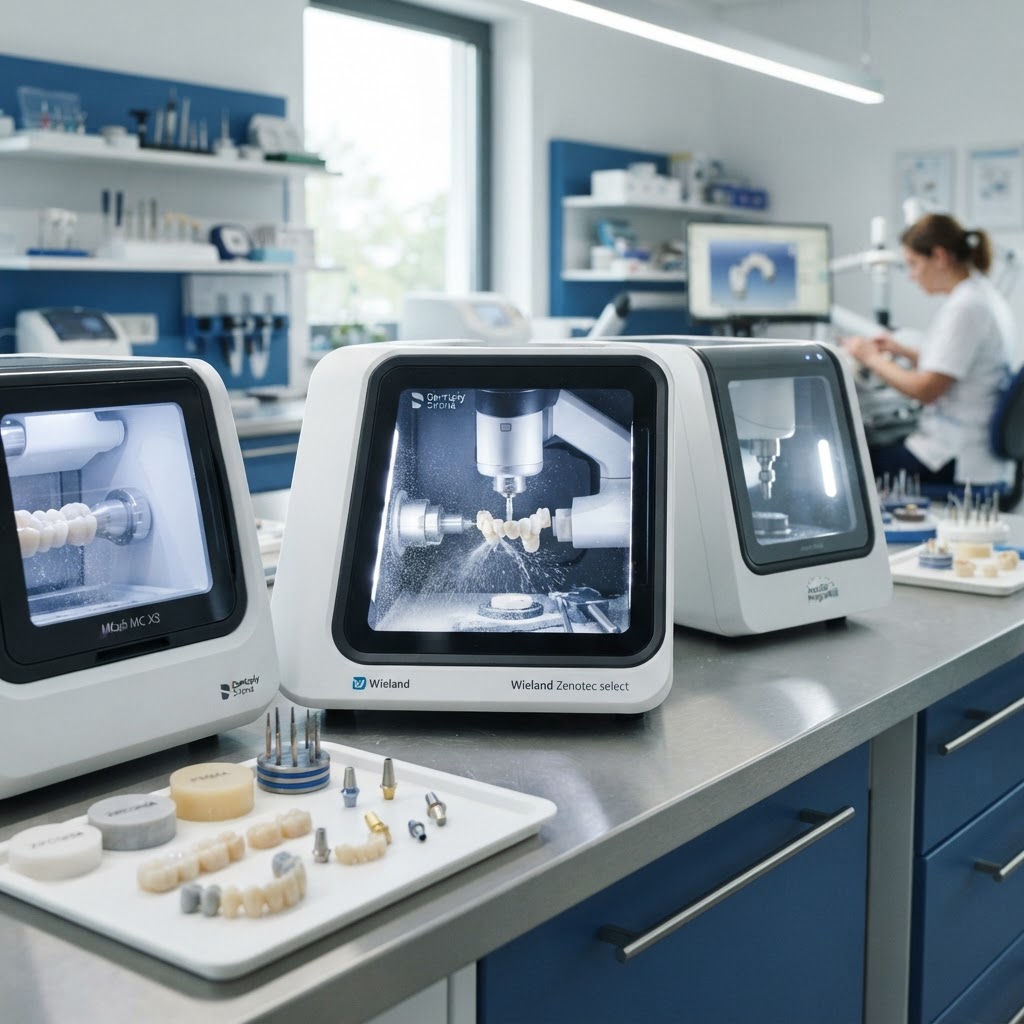
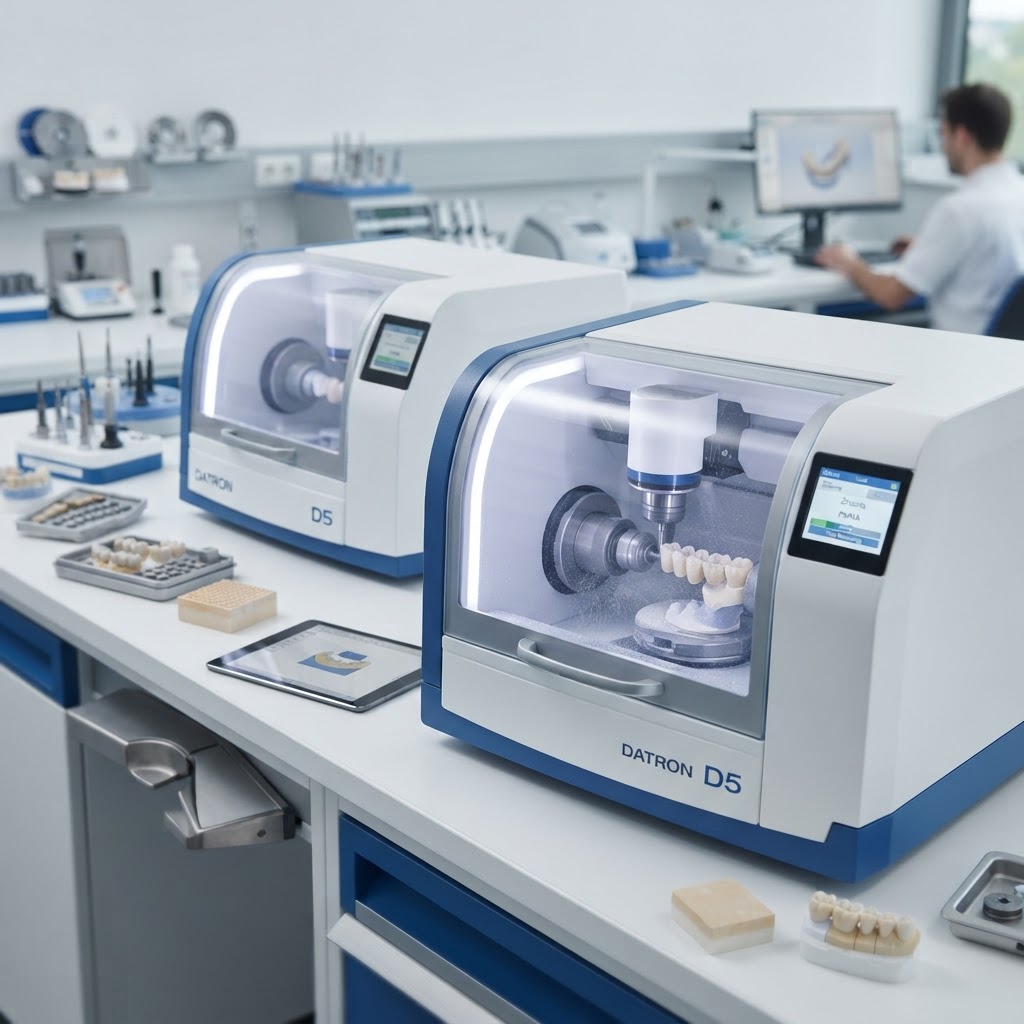
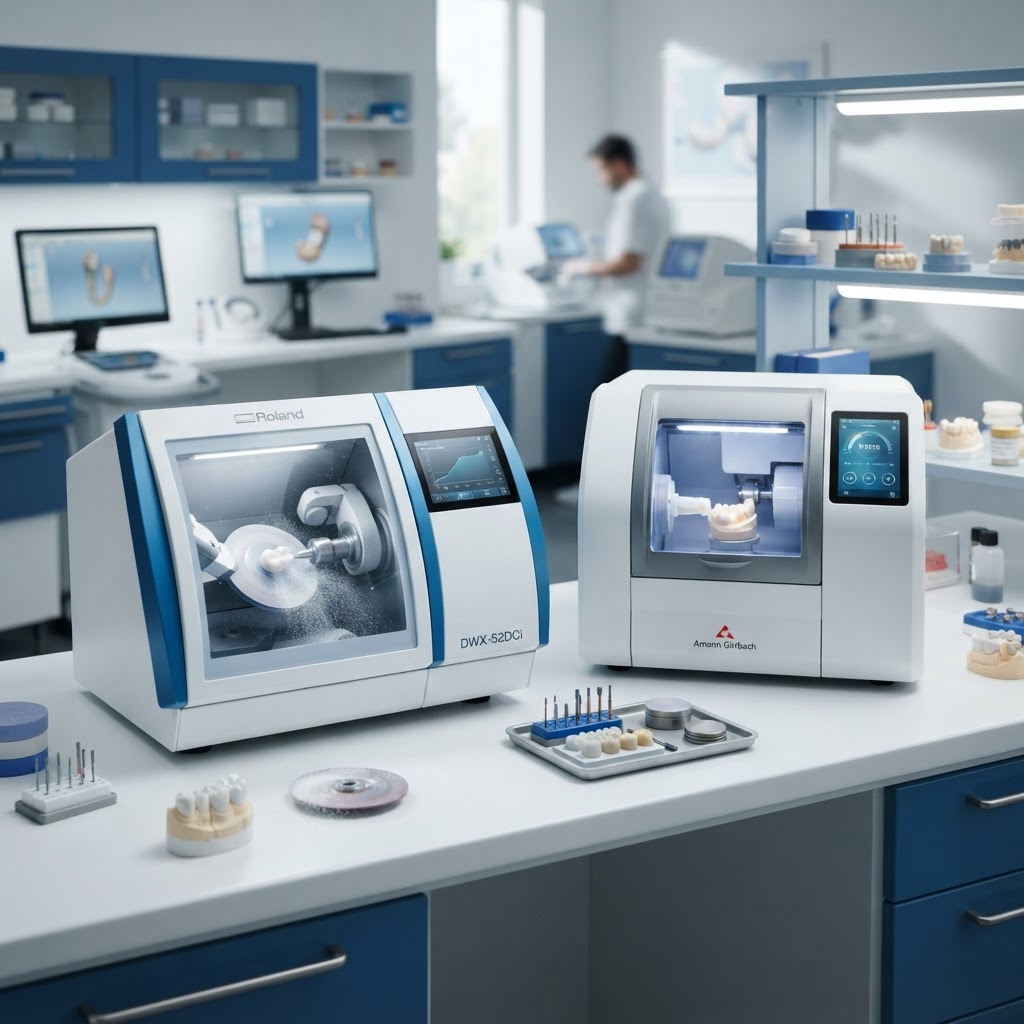
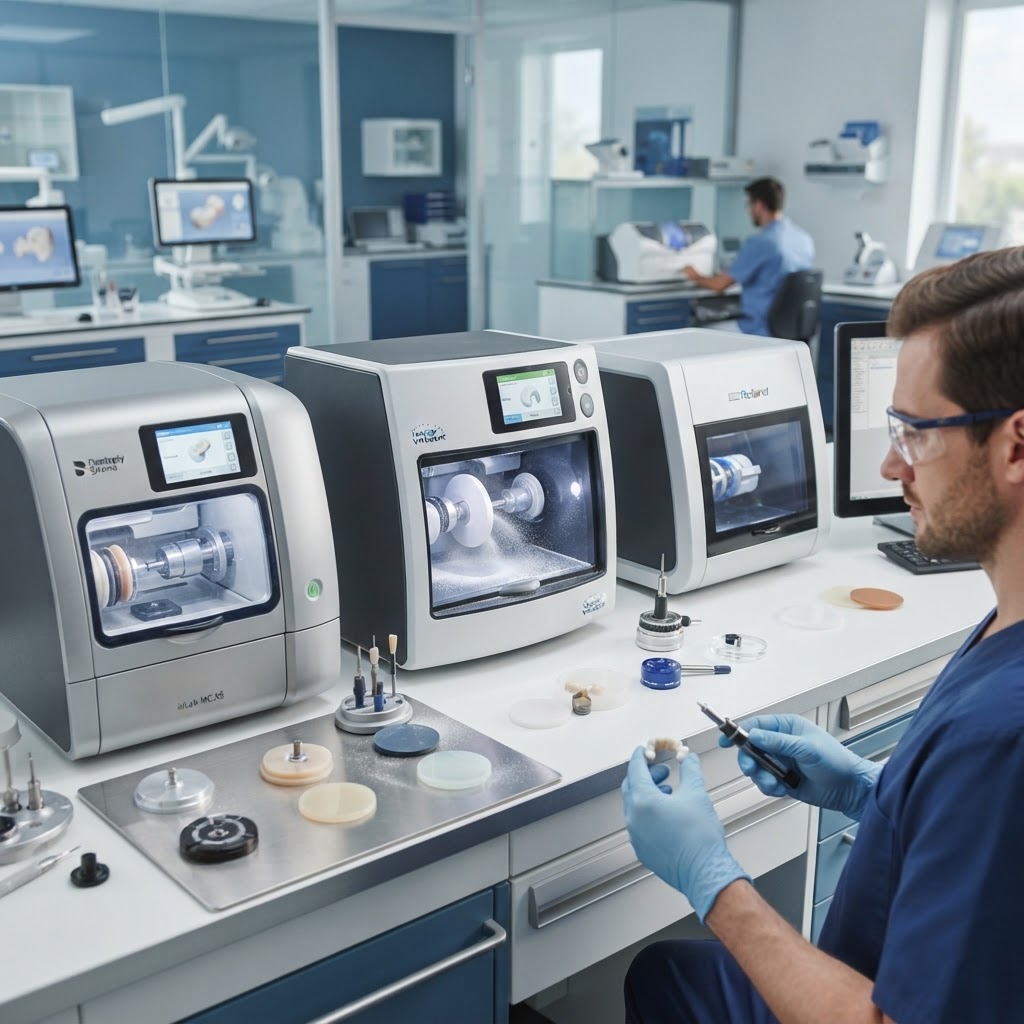
The dental laboratory landscape has undergone a seismic shift, moving from labor-intensive manual waxing to the high-speed precision of computer-aided manufacturing. At the heart of this transformation is the 5-axis milling machine. Unlike its 3-axis predecessors, which are limited to basic geometries, 5-axis systems offer unparalleled access to complex undercut regions and intricate anatomical fissures. For the modern lab, understanding the nuances of these machines is no longer optional—it is a prerequisite for staying competitive in a market demanding both speed and aesthetic excellence.
Defining 5-Axis Precision: Beyond Simple Geometry
Precision in dental milling is often measured in microns, but for a 5-axis machine, it is better defined by its ability to maintain accuracy while rotating on multiple planes. A standard 3-axis machine moves along the X, Y, and Z axes, which is sufficient for simple crowns but struggles with bridges or complex implant-supported structures. 5-axis machines add the A and B axes, allowing the spindle or the workpiece to tilt and rotate.
Overcoming Undercuts and Complex Margins
One of the most significant advantages of 5-axis technology is the elimination of the 'undercut' problem. In traditional milling, deep undercuts require manual adjustment after the milling process, which introduces human error. 5-axis machines can tilt the milling tool to reach into these areas with ease, ensuring that the final restoration fits the die or implant interface perfectly. This level of precision significantly reduces chairside adjustment time for the clinician, enhancing the reputation of the lab.
Speed vs. Quality: Finding the Sweet Spot
In a high-production laboratory, throughput is king. However, speed must never come at the expense of marginal integrity. Advanced milling machines utilize high-speed spindles—often reaching 60,000 to 100,000 RPM—paired with sophisticated motion control software to maximize efficiency. High-speed milling reduces the vibration that can lead to micro-fractures in brittle materials like glass ceramics or over-sintered zirconia.
- Simultaneous Motion: Modern 5-axis machines use 'simultaneous' milling, where all five axes move at once. This results in smoother surface finishes and faster cycle times compared to '3+2' positioning milling.
- Tool Path Optimization: Advanced CAM software calculates the most efficient route for the milling burr, minimizing air-cutting time and maximizing material removal rates.
- Automatic Tool Changers: High-capacity tool changers allow for continuous operation without manual intervention, enabling 'lights-out' manufacturing overnight.
Material Versatility: From Soft Wax to Hard Metals
The modern dental lab must be equipped to handle a diverse range of materials. A high-performance 5-axis mill should be versatile enough to transition between various substrates seamlessly. Whether processing esthetic multilayer zirconia or high-strength cobalt-chrome, the machine's rigidity and spindle torque play a critical role.
Zirconia and PMMA
For zirconia, the focus is on achieving a smooth surface that requires minimal polishing. 5-axis machines excel here by allowing the tool to maintain a consistent angle relative to the tooth's anatomy. For PMMA (temporary restorations), the challenge is heat management; 5-axis mills with cooling systems prevent the material from melting or clogging the burs.
Glass Ceramics and Composites
Milling glass ceramics like lithium disilicate requires wet milling capabilities. The best 5-axis systems offer hybrid functionality, allowing labs to switch between dry milling for zirconia and wet milling for ceramics. This versatility maximizes the ROI of the equipment.
Metal Milling: Titanium and Cobalt-Chrome
Milling hard metals requires a machine with significant mass and vibration-dampening properties. While many desktop 5-axis mills are excellent for soft materials, heavy-duty industrial-grade 5-axis machines are necessary for milling titanium implant bars and custom abutments without sacrificing tool life or accuracy.
The ROI of Advanced 5-Axis Systems
While the initial investment in a premium 5-axis milling machine is higher, the long-term ROI is found in reduced labor costs and expanded service offerings. By automating the most difficult aspects of dental fabrication, labs can increase their volume without increasing their headcount. Furthermore, the ability to produce high-margin items like complex implant bridges in-house, rather than outsourcing them, keeps profits within the lab.
Integrating 5-Axis Tech into Your Workflow
Success with 5-axis milling isn't just about the hardware; it’s about the integration of the scanner, the CAD software, and the CAM processing. Labs must ensure that their digital ecosystem is 'open,' allowing for the easy transfer of STL files between different platforms. Training is also essential; technicians must understand how to optimize nesting and support pin placement to take full advantage of the 5-axis movement.
Conclusion: Embracing the Future of Lab Tech
As dental restorations become increasingly complex and patient expectations rise, the 5-axis milling machine has become the cornerstone of the modern digital lab. By providing the precision required for complex geometries, the speed necessary for high throughput, and the versatility to handle any material, these machines empower technicians to deliver superior results. Is your lab ready to make the leap to advanced 5-axis milling? Contact Cosmetic Smile Studio today to learn how our digital solutions can elevate your practice and streamline your production.