The Evolution of Dental Milling: Why 5-Axis is the New Standard
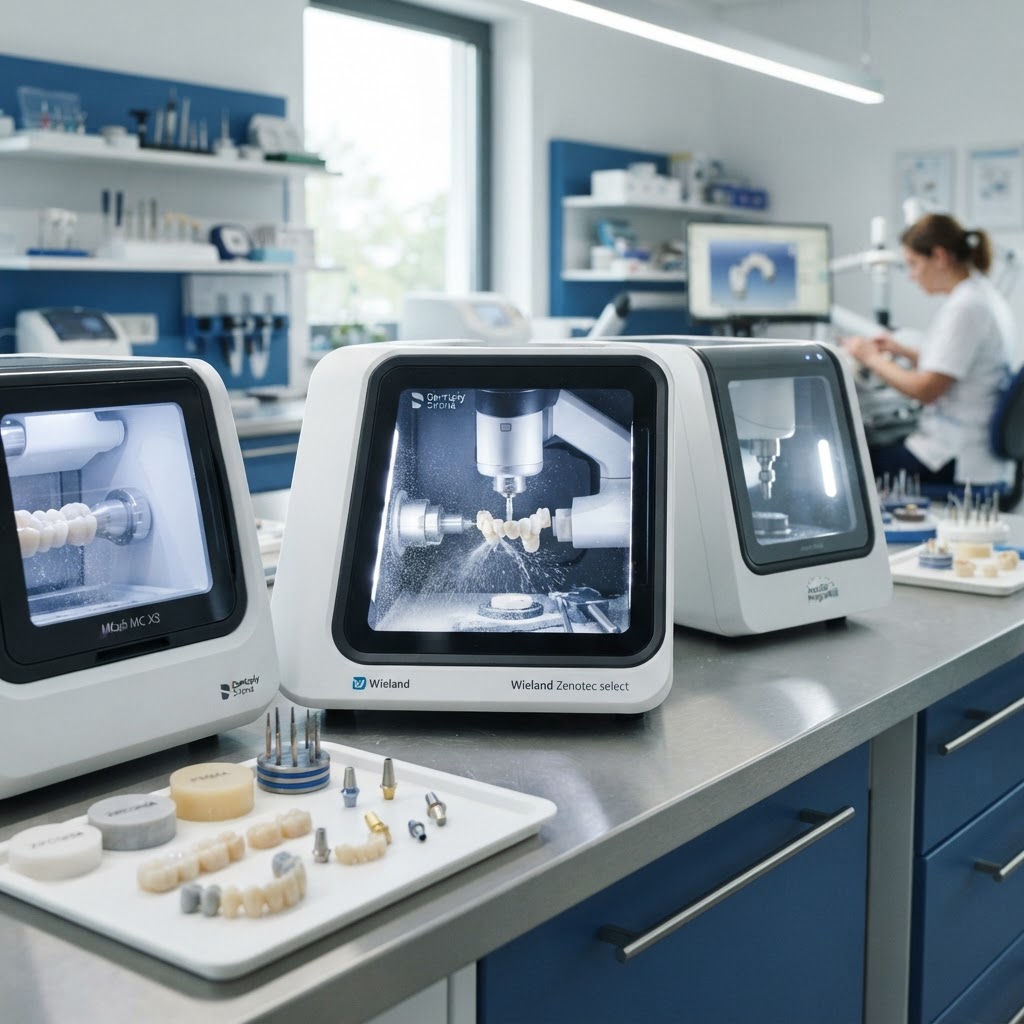
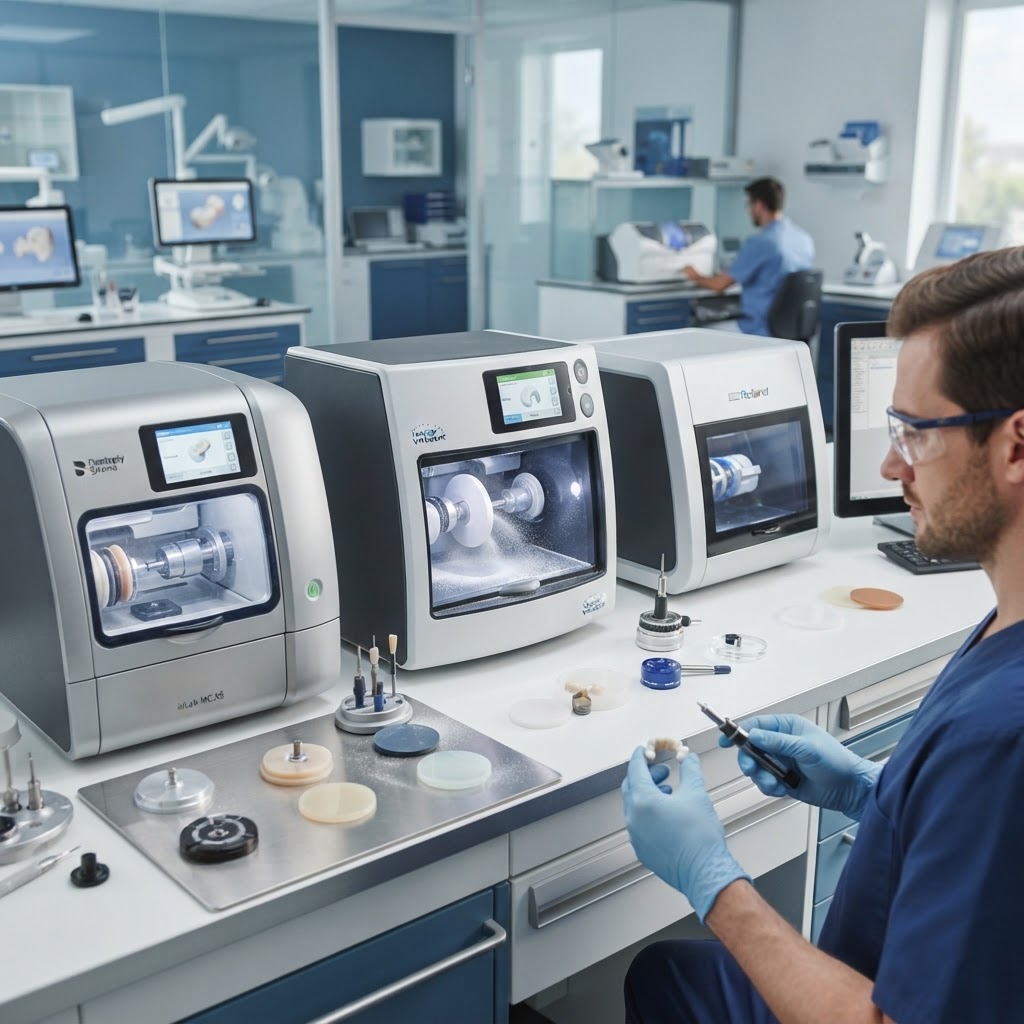
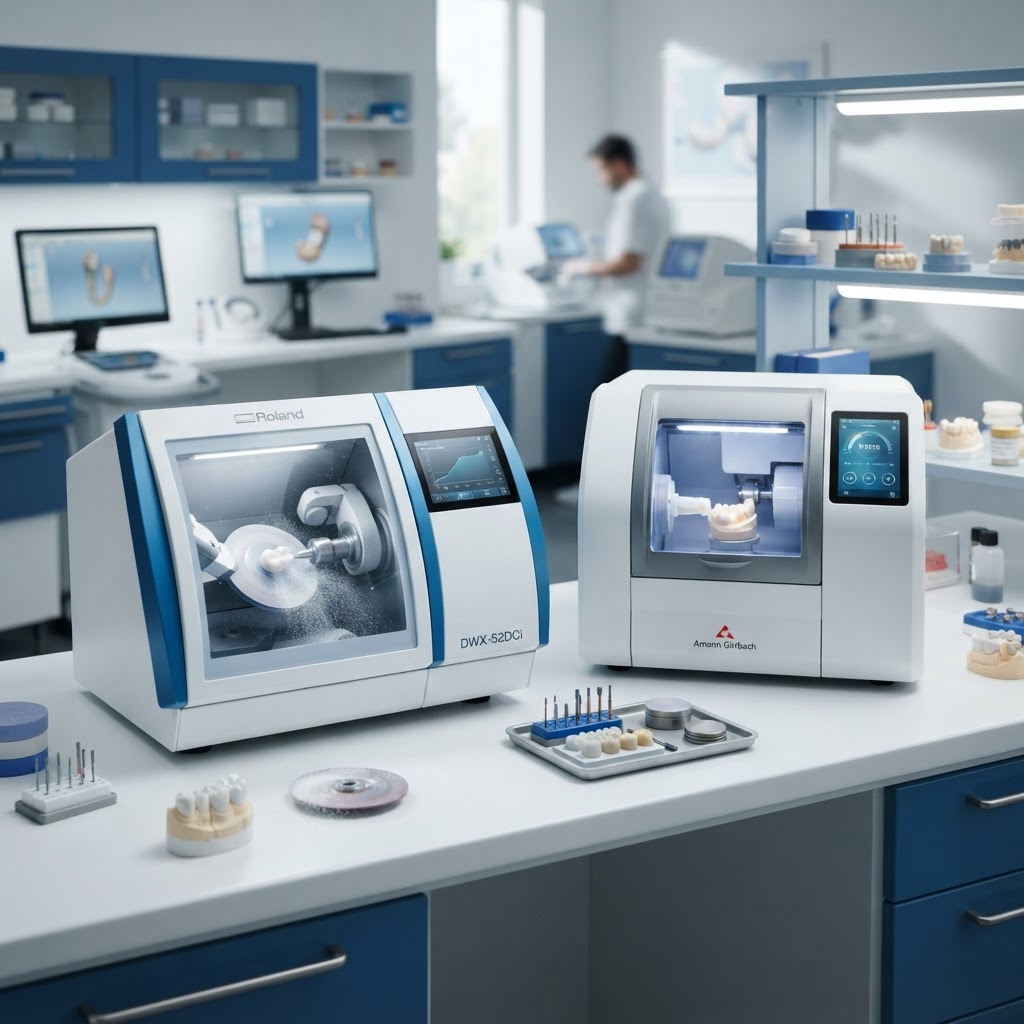
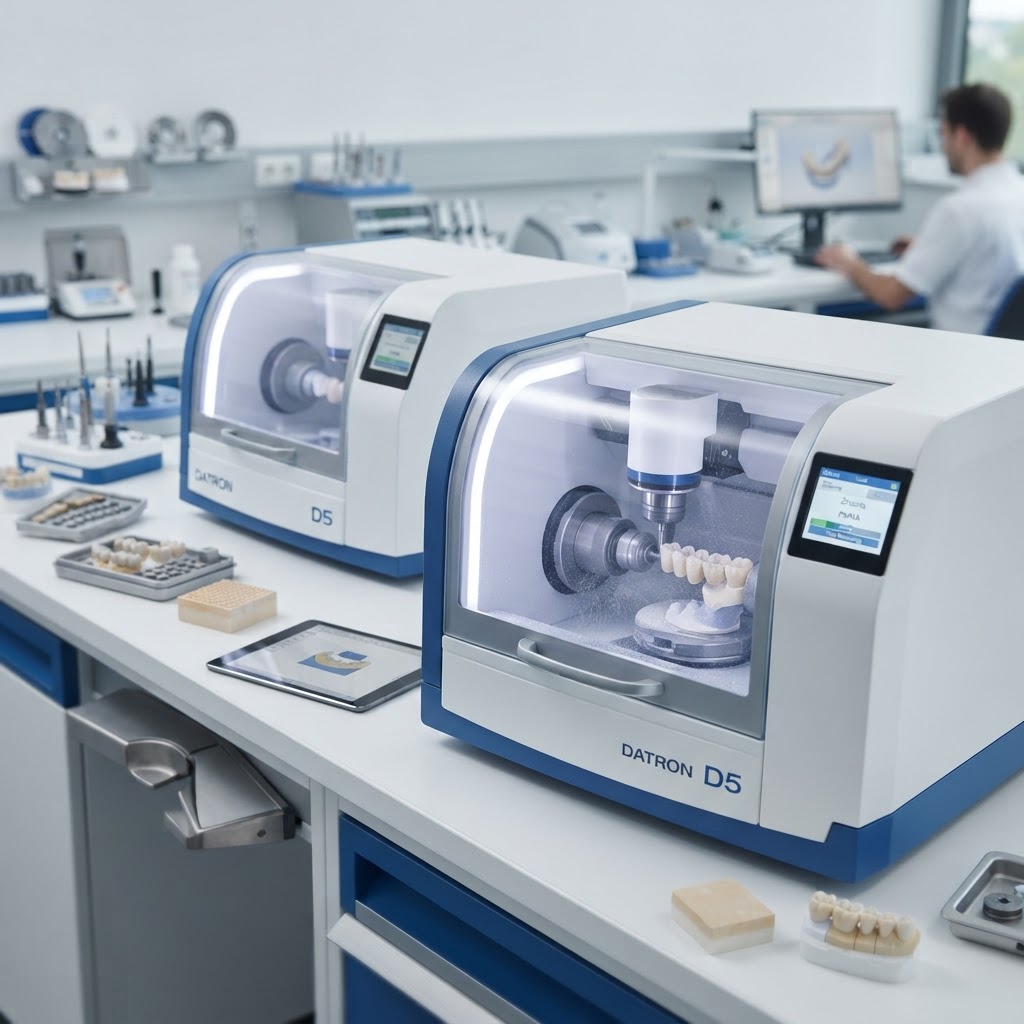
In the rapidly advancing landscape of digital dentistry, the transition from legacy 3-axis systems to sophisticated 5-axis dental milling machines represents a pivotal shift for the modern laboratory. As restorative demands become increasingly complex—ranging from highly translucent multi-layered zirconia crowns to intricate full-arch implant bridges—the mechanical limitations of fewer axes have become a bottleneck for productivity and quality. For the premium dental laboratory, investing in 5-axis technology is no longer an optional upgrade; it is a foundational requirement for staying competitive in a market defined by precision and speed.
The Mechanics of Motion: Understanding the Five Axes
To appreciate the advantages of a 5-axis mill, one must first understand the geometry of motion. While 3-axis machines move along the X, Y, and Z linear planes, 5-axis mills introduce two additional rotational axes, typically referred to as the A and B axes. This configuration allows the milling spindle or the material disk to tilt and rotate simultaneously during the cutting process. In a dental context, this means the milling tool can approach the restorative geometry from virtually any angle.
Overcoming the Undercut Challenge
The primary technical benefit of 5-axis movement is its ability to reach deep undercuts and complex interproximal areas that are physically inaccessible to 3-axis or even 4-axis machines. In 3-axis milling, the tool remains vertical, often leading to 'shadowed' areas where the material cannot be removed, necessitating significant manual labor after the milling cycle. 5-axis machines eliminate this issue by tilting the workpiece, ensuring that the tool path can follow the exact contours of the digital design, resulting in a restoration that requires minimal hand-finishing and fits perfectly on the first try.
Precision vs. Speed: Finding the Equilibrium
In the high-volume environment of a commercial dental lab, the relationship between precision and speed is often viewed as a trade-off. However, the latest generation of 5-axis mills utilizes advanced control algorithms and high-torque spindles to bridge this gap. Precision in milling is determined by several factors, including machine rigidity, spindle run-out, and the quality of the CAM (Computer-Aided Manufacturing) strategy. Modern 5-axis machines feature heavy-duty frames—often cast iron or mineral casting—to dampen vibrations, which is essential when milling at high speeds.
- Spindle Velocity: High-speed spindles reaching 60,000 to 100,000 RPM allow for the use of extremely fine burs (0.3mm or smaller), enabling the reproduction of intricate occlusal details and thin margins without chipping.
- Dynamic Milling: Advanced CAM software now supports dynamic milling paths that maintain a constant load on the tool, allowing for faster material removal rates while actually extending tool life.
- Automation: Many 5-axis units now come equipped with automatic disc changers and tool managers, allowing for 24/7 'lights-out' production, effectively decoupling lab throughput from staffing hours.
Material Capabilities: A Versatility Comparison
The versatility of a milling machine is largely defined by its ability to handle a diverse range of materials. While many labs began with dry milling for zirconia, the move toward 5-axis technology has opened doors to a broader restorative portfolio. When comparing machines, labs must decide between dry-only, wet-only, or hybrid systems.
Zirconia and PMMA (Dry Milling)
For zirconia, dry milling remains the gold standard. 5-axis motion is particularly beneficial here for achieving the high-definition anatomy required for monolithic restorations. The ability to tilt the disc allows for better utilization of material, nesting more units per disc and reducing waste.
Glass Ceramics and Composites (Wet Milling)
Materials like lithium disilicate and hybrid ceramics require liquid cooling to prevent thermal shock and tool wear. 5-axis wet mills provide the necessary precision for veneers and inlays, ensuring that the fragile margins of these materials are preserved during the high-speed grinding process.
Titanium and Chrome-Cobalt
The most demanding application for any dental mill is the processing of hard metals. High-end 5-axis machines with robust spindles and liquid cooling are capable of milling custom titanium abutments and complex CoCr frameworks. This capability allows labs to bring high-value implant work in-house, significantly increasing profit margins compared to outsourcing to milling centers.
Implementation Strategies for Dental Laboratories
Transitioning to 5-axis milling requires more than just a capital investment; it requires a workflow strategy. Laboratories should consider the following when integrating these machines:
- Software Integration: Ensure your CAM software is fully optimized for 5-axis strategies. The hardware is only as good as the toolpaths generated by the software.
- Maintenance Protocols: Precision machines require disciplined maintenance. Daily cleaning of the milling chamber and regular spindle calibration are non-negotiable for maintaining micron-level accuracy.
- Staff Training: While the machines are increasingly automated, technicians must understand the nuances of 5-axis nesting and tool selection to maximize the machine's potential.
Conclusion: Investing in the Future of Restoration
The shift toward 5-axis dental milling is a response to the increasing sophistication of dental materials and the rising expectations for restorative esthetics. By providing the ability to mill complex geometries with extreme precision and high speed, 5-axis machines allow laboratories to produce superior results with less manual intervention. Whether you are focusing on high-translucency zirconia or complex implant-retained prosthetics, the 5-axis advantage is clear: better fits, faster turnaround times, and a wider range of clinical applications. At Cosmetic Smile Studio, we believe that staying at the forefront of this technology is the key to delivering the excellence that modern clinicians demand. Ready to elevate your laboratory's capabilities? Explore our latest CAD/CAM integration guides and discover how 5-axis precision can transform your workflow today.