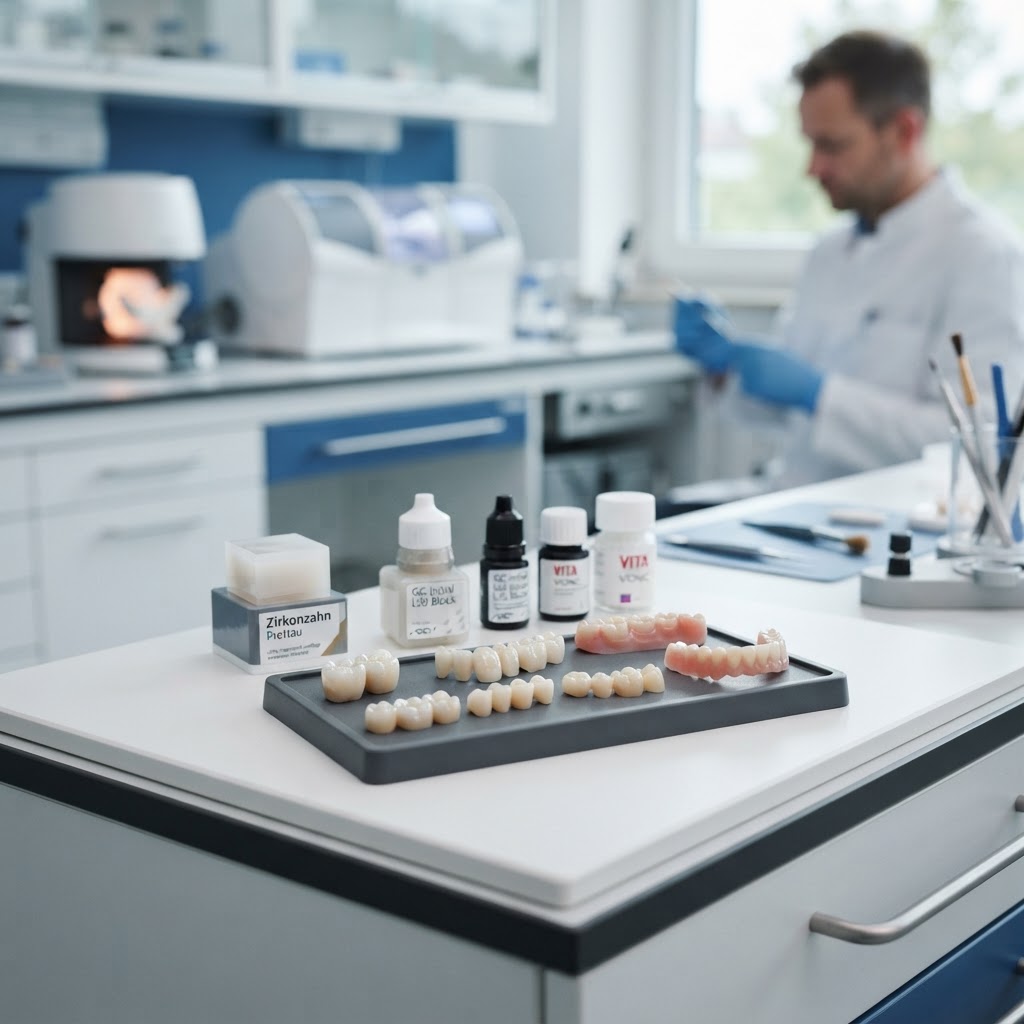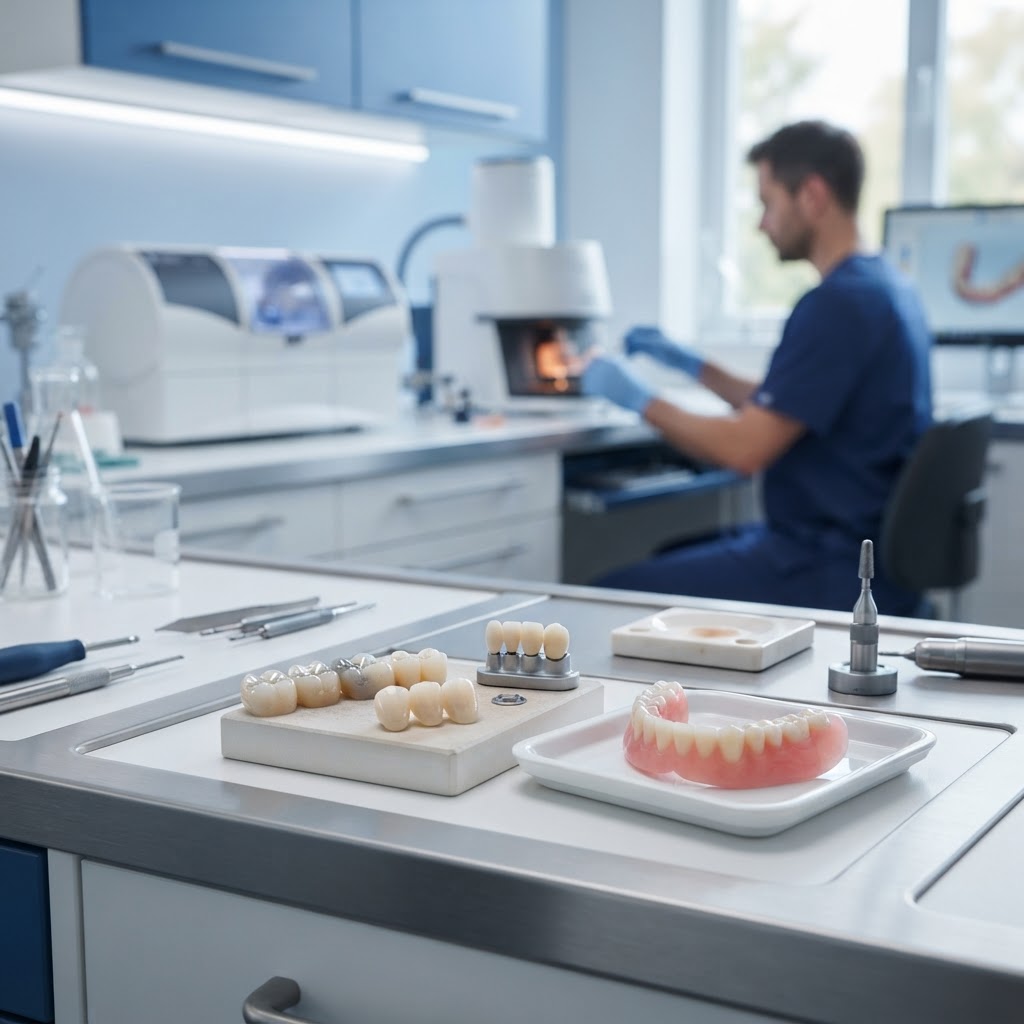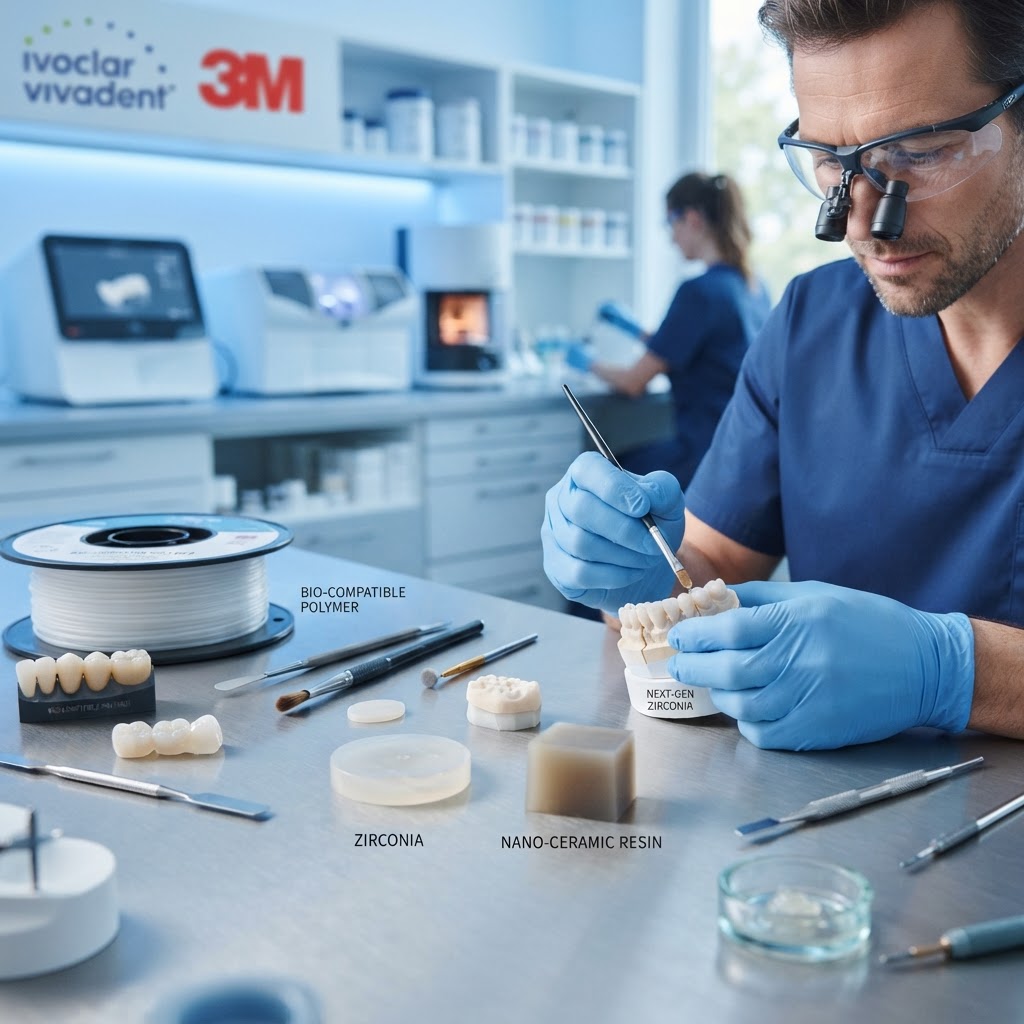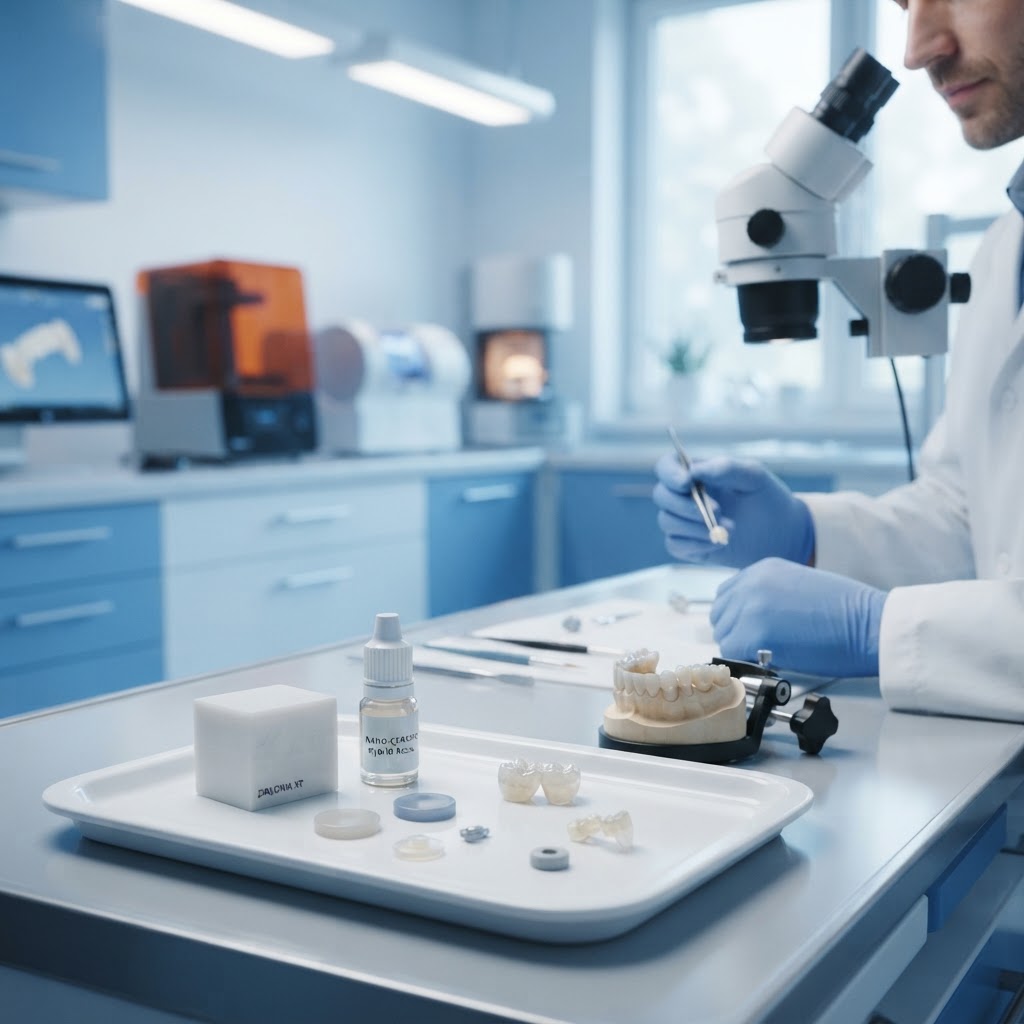
The Material Revolution in the Digital Age
The landscape of restorative dentistry is undergoing a profound transformation, driven not only by digital workflows but by the sophisticated materials that traverse them. For years, the trade-off in restorative selection was binary: strength or esthetics. Clinicians often had to choose between the monolithic durability of early-generation zirconia or the lifelike translucency of lithium disilicate. Today, that paradigm has shifted. As we enter a new era of material science, dental professionals are gaining access to a new class of next-generation zirconia, nano-ceramic resins, and bio-compatible polymers that offer a synergistic blend of mechanical integrity and natural beauty. For the modern dental laboratory, understanding these materials is no longer optional—it is the key to clinical success and patient satisfaction in a competitive market.
Next-Generation Zirconia: The Rise of Multi-Layered Gradients
Zirconia has evolved significantly from its origins as the opaque 'white steel' of the early 2000s. The latest innovation lies in multi-layered gradient technology, which integrates different concentrations of yttria throughout the restoration. This allows for a seamless transition from high strength at the margin to high translucency at the incisal edge.
Understanding Yttria Concentrations
To master next-gen zirconia, labs must understand the mol percentage of yttria (Y2O3), which determines the material's phase and properties:
- 3Y-TZP: High strength (1,000+ MPa) but lower translucency, ideal for posterior frameworks and long-span bridges.
- 5Y-PSZ: High translucency (cubic phase) mimicking glass-ceramics but with lower fracture toughness (approx. 600-700 MPa).
- 4Y-PSZ: The 'Universal' solution, balancing strength (800-900 MPa) with excellent esthetics for both anterior and posterior applications.
Actionable Insights for the Lab
When working with multi-layered zirconia, nesting is critical. Technicians must position the restoration within the disk to leverage the incisal gradient effectively. Furthermore, adhering to strict sintering protocols is essential; even a 10-degree variance in sintering temperature can affect the final translucency and shade accuracy of these sophisticated materials.
Nano-Ceramic Resins: The Hybrid Evolution
Nano-ceramic resins, or hybrid ceramics, represent a fusion of two worlds: the durability of ceramic and the elasticity of composite resin. These materials, typically composed of roughly 80% ceramic fillers (such as silica and zirconia) embedded in a highly cross-linked polymer matrix, are redefining chairside and lab-side efficiency.
Why Hybrids are Gaining Momentum
Unlike traditional ceramics, nano-ceramic resins do not require a firing process, significantly reducing turnaround time. Their primary advantage, however, is their 'shock-absorbing' nature. With a modulus of elasticity similar to human dentin, these materials are particularly effective for:
- Implant-Supported Crowns: Reducing the occlusal stress transmitted to the implant fixture and surrounding bone.
- Inlays and Onlays: Allowing for thinner preparations and better edge stability than traditional composite.
- Minimal Invasive Veneers: Offering high polishability and easy intraoral repair.
Bio-Compatible Polymers: PEEK and PEKK in the Modern Lab
High-performance polymers like Polyetheretherketone (PEEK) and Polyetherketoneketone (PEKK) are rapidly replacing traditional metal alloys for frameworks. These bio-compatible materials offer a lightweight, metal-free alternative that resonates with the growing patient demand for holistic and esthetic dentistry.
The Mechanical Advantage
The standout feature of PEEK and PEKK is their weight-to-strength ratio and their low modulus of elasticity, which closely mimics that of human bone. This makes them ideal for:
- Removable Partial Dentures (RPDs): Creating flexible, 'invisible' clasps that are more comfortable for the patient.
- All-on-X Substructures: Acting as a shock-absorbing bridge framework that can be veneered with composite or individual zirconia crowns.
- Bite Splints and Nightguards: Providing extreme durability without the brittleness of traditional acrylics.
Integrating Advanced Materials into Your Workflow
Adopting these materials requires more than just purchasing new milling disks; it requires a refinement of the digital triad—scanning, design, and milling. Precision in the digital impression is paramount, especially for nano-ceramics where traditional 'adjustments' can compromise the material's integrity. For laboratories, this means investing in high-precision 5-axis milling machines and specialized burs designed for the unique abrasive qualities of hybrid resins and polymers.
Conclusion: The Future is Multi-Material
The future of cosmetic dentistry is not a choice between one material or another, but the strategic application of multi-material solutions. By combining the esthetic power of gradient zirconia with the functional resilience of bio-polymers and the efficiency of nano-ceramics, dental professionals can deliver restorations that are indistinguishable from natural dentition while ensuring long-term clinical longevity. At Cosmetic Smile Studio, we remain at the forefront of this material revolution, ensuring our partners have access to the latest innovations that define the premium dental experience. Are you ready to elevate your practice with next-generation materials? Contact our technical team today to discuss how these innovations can be integrated into your next complex case.