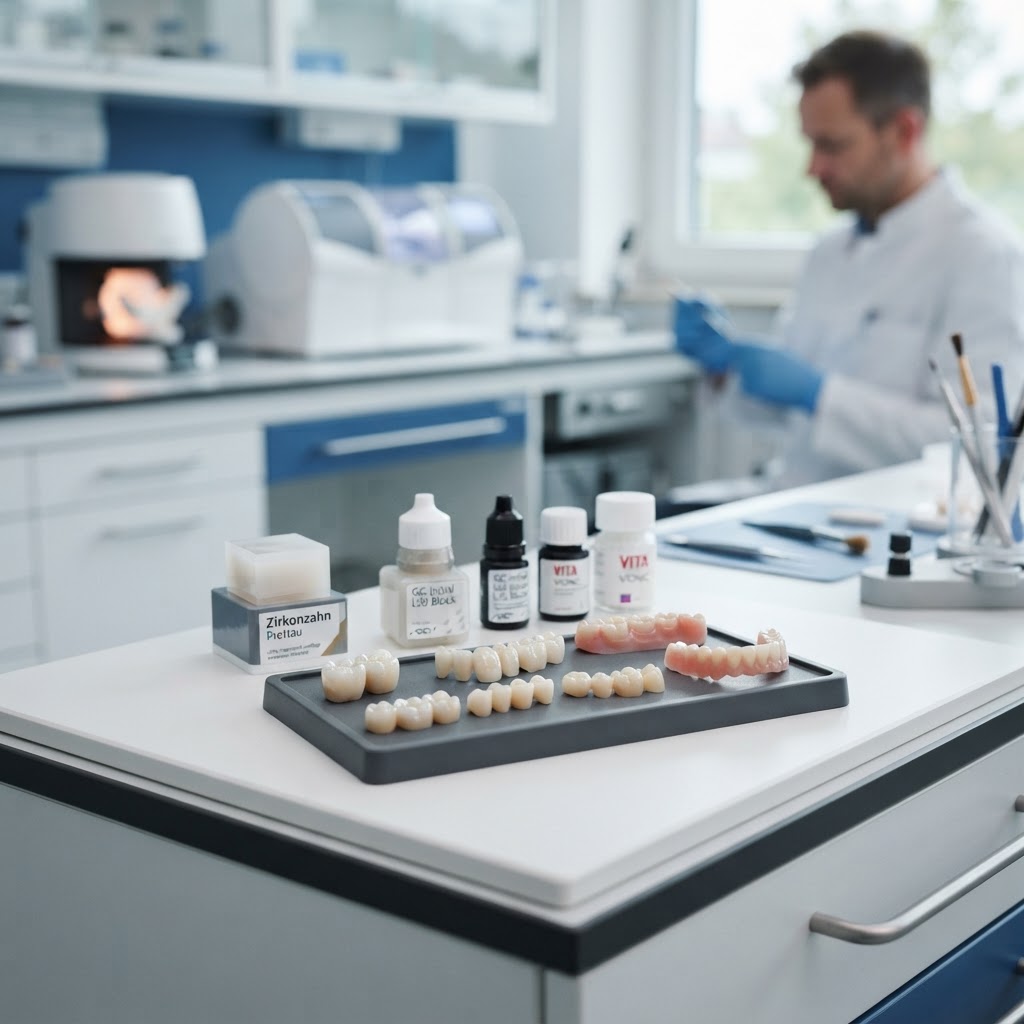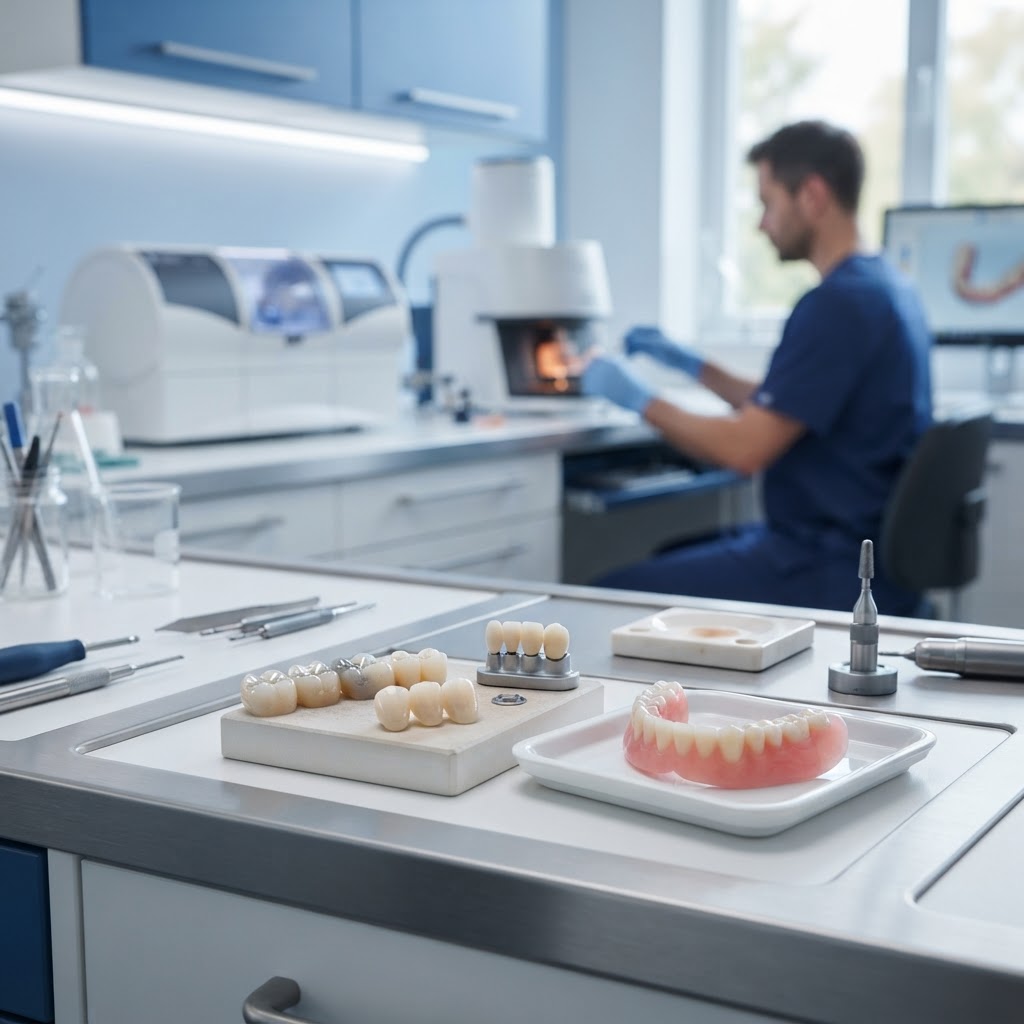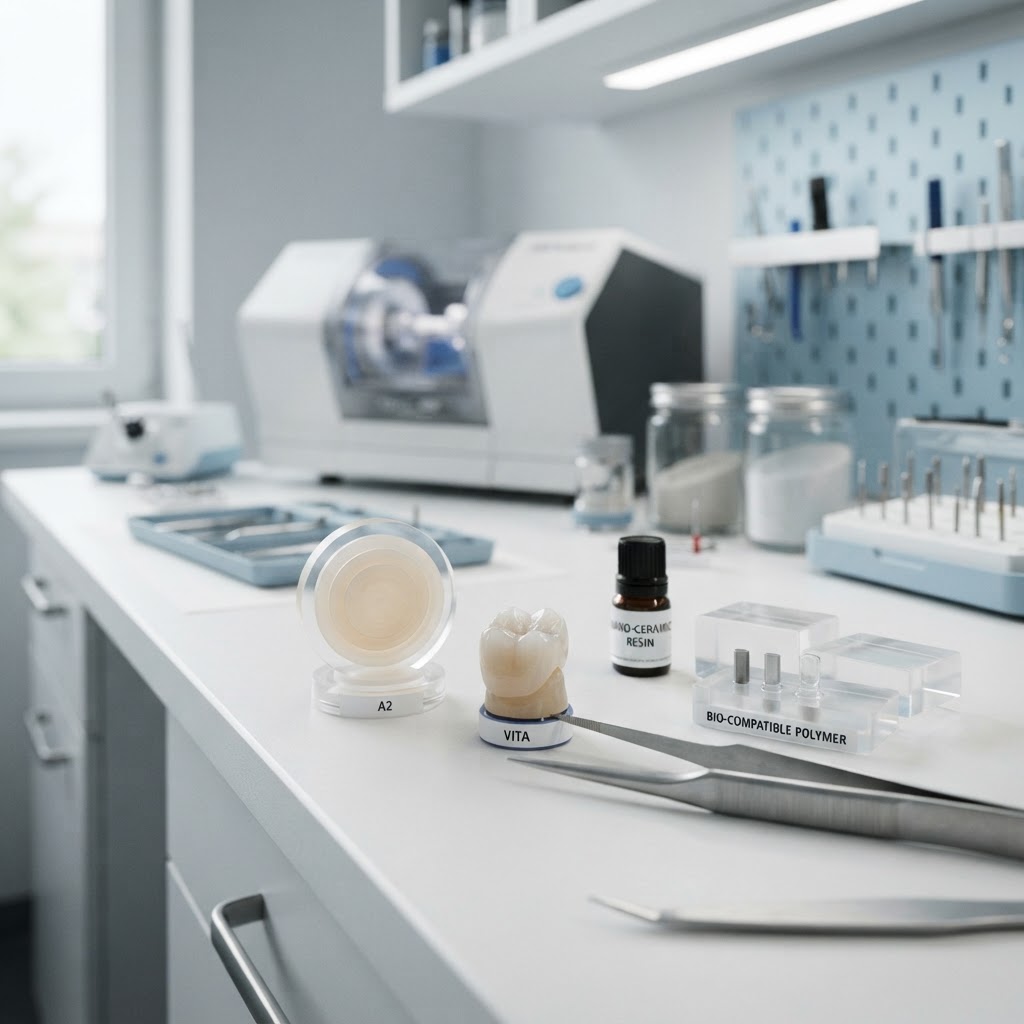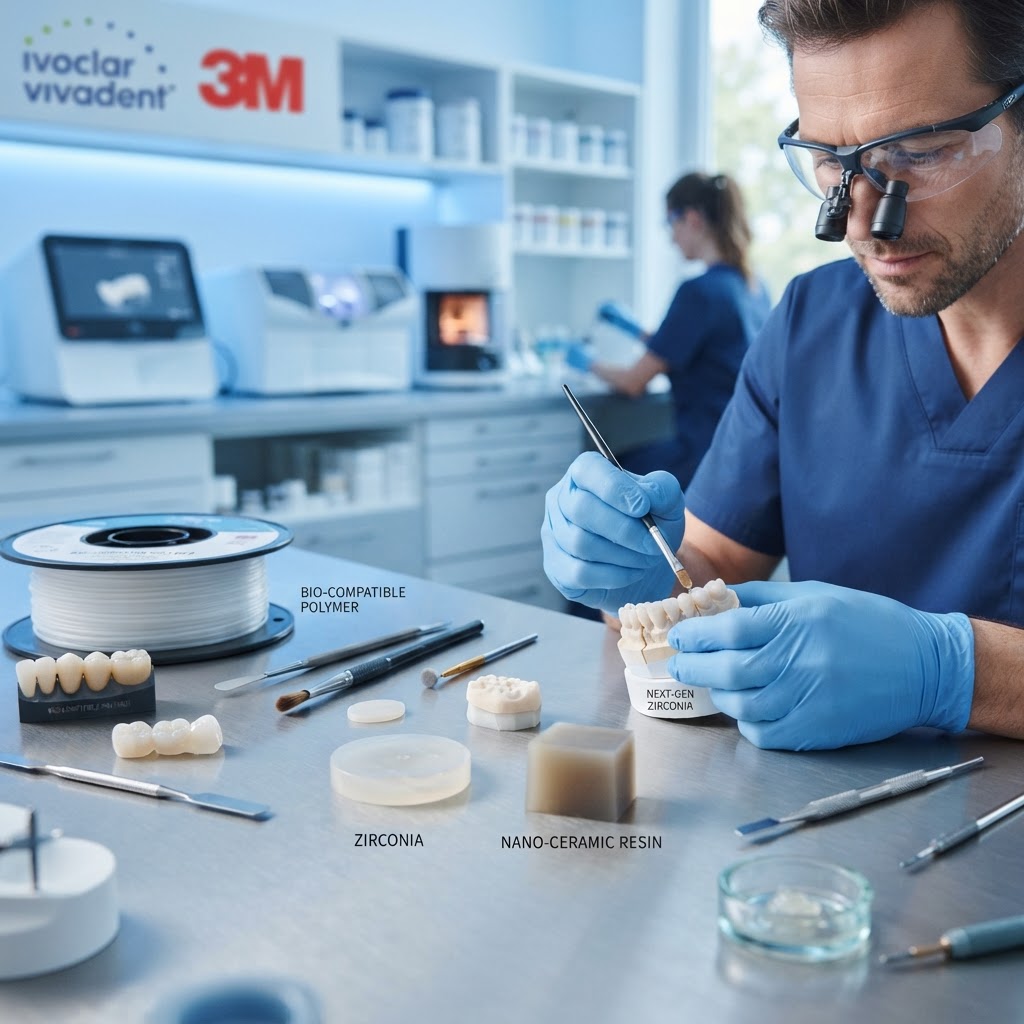
The New Era of Biomimetic Restorations
The landscape of restorative dentistry is shifting from a focus on mere survival to a pursuit of biomimetic perfection. For the modern dental laboratory and the high-end cosmetic clinic, the choice of material is no longer just about strength; it is about how that material interacts with light, manages occlusal forces, and integrates with biological tissues. As we move deeper into the digital age, a new generation of innovative dental materials—ranging from multi-layered zirconia to nano-ceramic resins and high-performance polymers—is redefining the standards of what is possible in the chair and at the bench.
Next-Generation Zirconia: Beyond the Monolithic Block
Zirconia has undergone a radical transformation over the last decade. We have moved far beyond the opaque, 'bathroom-tile' white of first-generation 3Y-TZP. Today’s next-generation zirconia materials, such as 4Y-PSZ and 5Y-PSZ, offer a sophisticated balance of translucency and fracture toughness that allows for monolithic applications even in the esthetic zone.
Multi-Layered Gradient Technology
The most significant advancement in zirconia is the development of multi-layered technology. Modern discs, like the Aidite 3D Pro Zir series, utilize a seamless gradient of both color and translucency. By mimicking the natural transition from a more opaque, high-strength dentin core to a highly translucent incisal edge, these materials eliminate the need for complex porcelain layering in many cases. This not only increases the efficiency of the CAD/CAM workflow but also reduces the risk of delamination or chipping associated with traditional veneered restorations.
- High Translucency: Achieving up to 49% translucency, making it viable for anterior crowns.
- Strength Gradients: Some next-gen discs offer higher flexural strength at the gingival margin (up to 1200 MPa) while tapering to a more 'wear-friendly' strength at the incisal edge.
- Sintering Efficiency: New formulations allow for high-speed sintering protocols without compromising marginal integrity or optical properties.
Nano-Ceramic Resins: The Hybrid Revolution
While zirconia dominates the high-strength market, nano-ceramic resins are carving out a vital niche in the 'resilient' restoration category. Materials like 3M’s Lava Ultimate or newer 3D-printed ceramic-infused resins represent a hybrid approach, combining the esthetics of ceramic with the fracture toughness of a polymer matrix.
The Modulus of Elasticity Advantage
One of the primary benefits of nano-ceramic resins is their modulus of elasticity, which closely mimics that of natural dentin. Unlike rigid ceramics that can transfer high stress to the underlying tooth structure or implant interface, nano-ceramics absorb occlusal energy. This makes them an ideal choice for implant-supported crowns and inlays/onlays where stress distribution is critical.
- Milling Precision: These materials are less brittle than traditional glass-ceramics, allowing for thinner margins and less 'chipping' during the milling process.
- Chairside Adjustability: Nano-ceramics can be easily adjusted and polished intraorally using standard composite polishing kits, offering a level of convenience that traditional ceramics cannot match.
- Bonding Reliability: When treated with the correct silane primers and adhesive protocols, these materials form a robust chemical bond with resin cements.
High-Performance Bio-Compatible Polymers: PEEK and Beyond
The rise of biocompatible polymers is perhaps the most disruptive trend in modern dental technology. High-performance polymers like Polyetheretherketone (PEEK) and fiber-reinforced composites (such as Trilor) are replacing metal frameworks in both removable and fixed prosthodontics.
The Power of PEEK
PEEK is a semi-crystalline thermoplastic with a long history in orthopedic surgery. In dentistry, it is prized for being lightweight, tasteless, and highly biocompatible. Because it is non-metallic, it eliminates concerns regarding galvanic corrosion or metal allergies, making it a cornerstone of 'biocompatible dentistry.'
Fiber-Reinforced Composites
For full-arch rehabilitations, fiber-reinforced polymers offer a 'bone-like' resilience. These materials use multidirectional glass fibers to distribute stress across the entire arch, reducing the 'heavy' feeling patients often report with traditional metal-ceramic hybrids. They are particularly effective as frameworks for All-on-X cases, providing a lightweight yet incredibly durable substructure that can be veneered with composite or individual zirconia crowns.
Actionable Insights for the Modern Lab
Integrating these materials requires more than just new inventory; it requires a shift in technical protocols. To maximize the potential of these next-gen materials, labs and clinics should consider the following:
- Optimize Sintering Cycles: Ensure your furnace is calibrated for the specific translucency requirements of 5Y zirconia; even a 10-degree variance can affect the final esthetic outcome.
- Tooling for Polymers: When milling PEEK or nano-ceramics, use dedicated burs designed for polymers to prevent melting or surface smearing.
- Adhesive Education: Educate clinical partners on the specific priming requirements for hybrid materials, as traditional phosphoric acid etching is ineffective on nano-ceramic resins.
Conclusion: Embracing the Material Shift
The future of dental restorations lies in the synergy between digital precision and material innovation. By mastering the nuances of next-generation zirconia, the resilience of nano-ceramics, and the biocompatibility of high-performance polymers, dental professionals can offer restorations that are not only beautiful but also biologically harmonious. As these materials continue to evolve, the line between the natural tooth and the prosthetic will continue to blur, ushering in a new standard of patient care.
Ready to elevate your restorative outcomes? Contact Cosmetic Smile Studio today to learn more about our advanced material workflows and how we can help you integrate these next-generation solutions into your practice.