The Paradigm Shift in Restorative Material Science
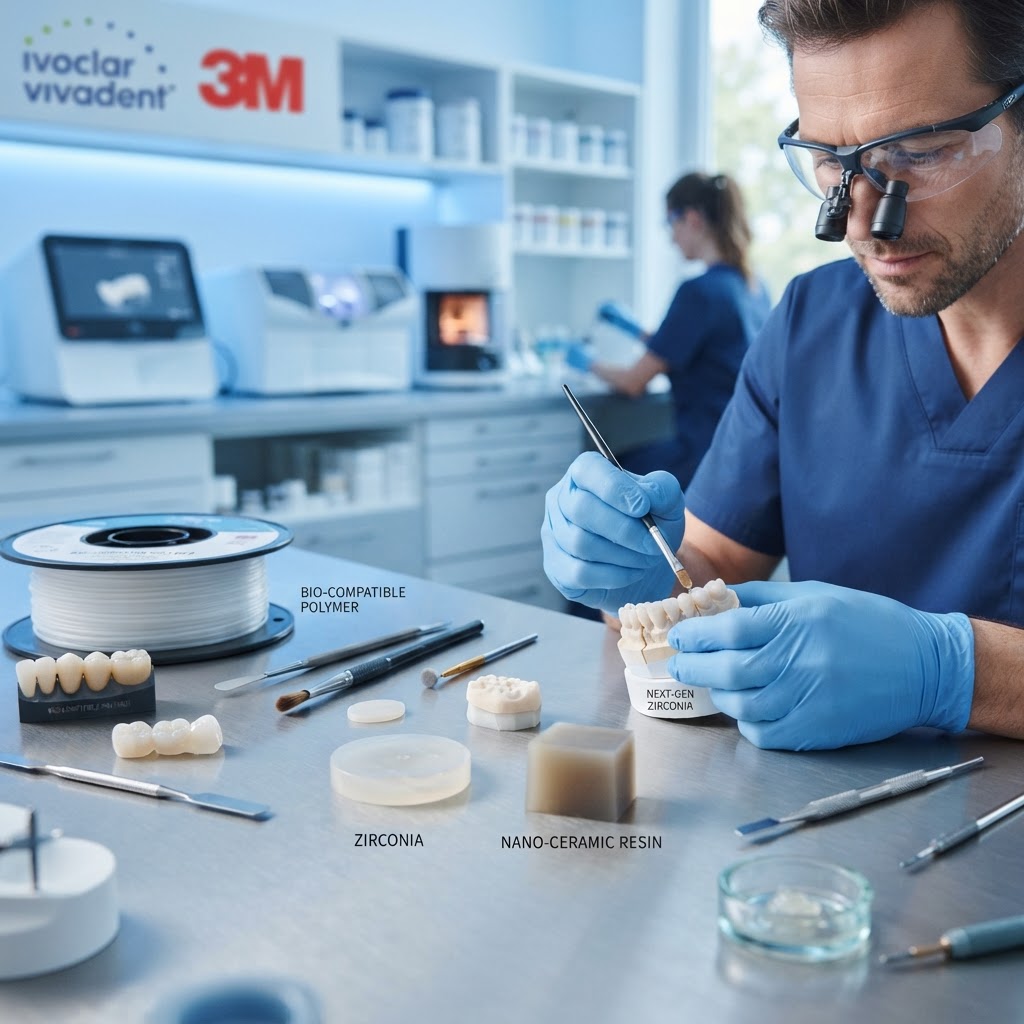
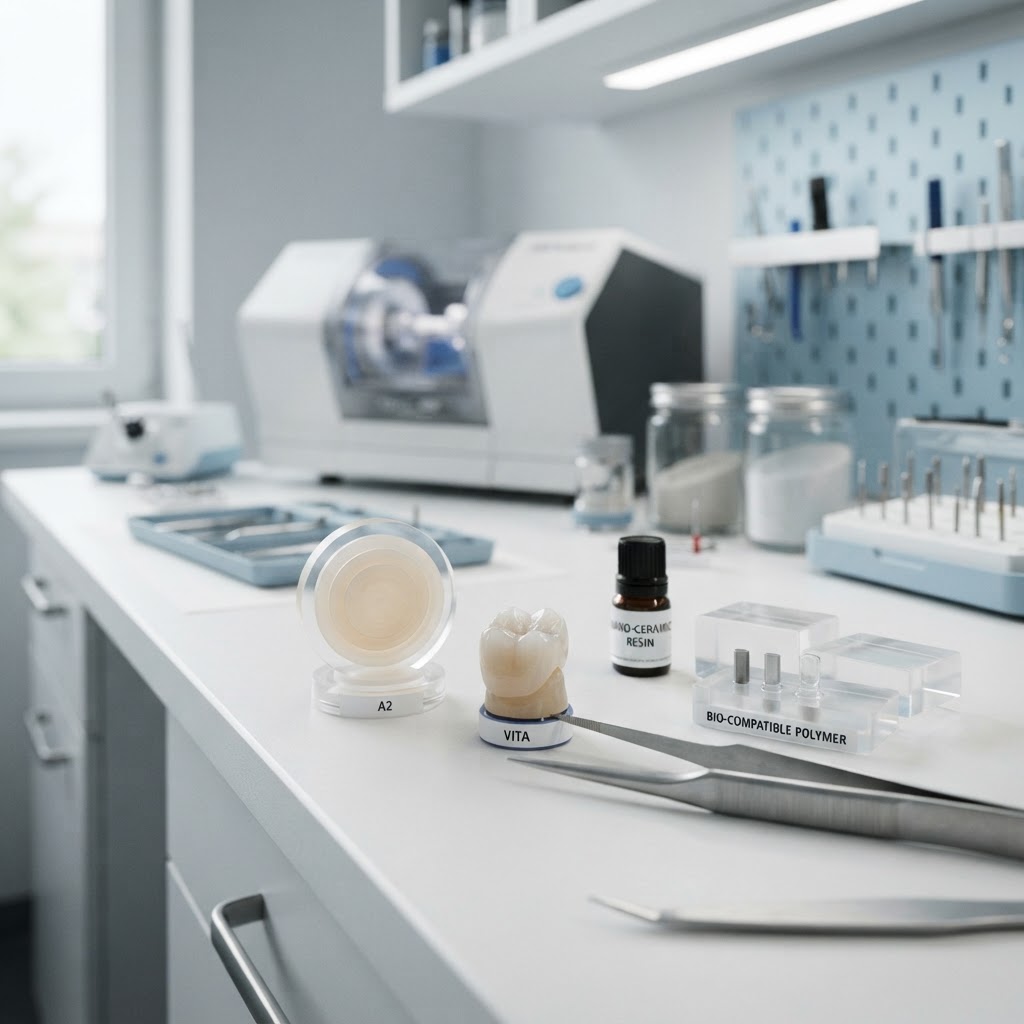
In the rapidly evolving landscape of digital dentistry, the synergy between CAD/CAM hardware and advanced material science has never been more critical. As we navigate through 2026, the industry is witnessing a definitive move away from the compromises of the past. No longer do clinicians have to choose between the brute strength of monolithic zirconia and the delicate esthetics of glass ceramics. The emergence of next-generation zirconia, nano-ceramic resins, and high-performance bio-compatible polymers is providing a new toolkit for the modern dental laboratory and clinic.
For the premium dental laboratory, staying at the forefront of these material advancements is not merely about variety; it is about predictability, longevity, and patient satisfaction. This article delves into the technical specifications and clinical applications of the materials currently redefining restorative standards.
Next-Generation Zirconia: The Evolution of Gradation
Zirconia has undergone a radical transformation. We have moved far beyond the opaque, 'bathroom tile' appearance of early generation monolithic discs. Today’s next-generation zirconia utilizes complex multi-layered technology that mimics the natural transition from dentin to enamel.
High-Translucency and Integrated Shading
Modern 4Y-TZP and 5Y-TZP (Yttria-stabilized Tetragonal Zirconia Polycrystal) formulations offer a gradient of both color and translucency within a single disc. This is achieved through sophisticated manufacturing processes that vary the yttria concentration from the cervical to the incisal regions. The result is a restoration that possesses high fracture toughness at the margin (reaching 1,200 MPa or more) while providing the vital translucency (up to 49% or higher) required for anterior aesthetics.
- Seamless Integration: Reduced need for external staining and glazing, decreasing lab turnaround time.
- Antagonistic Friendliness: Newer formulations are engineered to be less abrasive to opposing natural dentition when properly polished.
- Strength vs. Beauty: The ability to use a single material for both posterior bridges and anterior crowns without sacrificing structural integrity.
Nano-Ceramic Resins: The Hybrid Advantage
The gap between composite resins and ceramics is being bridged by nano-ceramic resins. These materials consist of a highly cross-linked polymer matrix densely packed with nanometer-sized ceramic particles. This hybrid composition offers unique mechanical properties that traditional materials cannot match.
Resilience and Repairability
Unlike traditional ceramics, which are brittle and prone to catastrophic fracture, nano-ceramic resins exhibit a modulus of elasticity closer to that of natural dentin. This 'shock-absorbing' quality makes them ideal for implant-supported restorations, where the lack of a periodontal ligament places higher stress on the prosthetic components.
- CAD/CAM Efficiency: These materials are incredibly easy to mill, resulting in less tool wear and faster processing times compared to lithium disilicate or zirconia.
- Easy Chairside Modification: If a minor adjustment is needed, nano-ceramic resins can be easily repaired or modified using conventional light-cure composites.
- Inlays and Onlays: Their high edge stability allows for ultra-thin preparations, preserving more natural tooth structure.
High-Performance Bio-Compatible Polymers: PEEK and PEKK
Perhaps the most significant disruption in the removable and implant-retained sectors is the rise of high-performance polymers (HPPs) like PEEK (Polyether Ether Ketone) and PEKK (Polyether Ketone Ketone). Originally developed for aerospace and orthopedics, these materials are now essential in high-end dental workflows.
A New Standard for Frameworks
PEEK and PEKK are increasingly replacing metal alloys for RPD (Removable Partial Denture) frameworks and All-on-X sub-structures. Their primary advantage lies in their weight-to-strength ratio and bio-compatibility.
- Bone-Like Modulus: The modulus of elasticity of PEKK is remarkably similar to human bone, which helps in the even distribution of functional stresses and potentially reduces bone resorption.
- Hypoallergenic: As metal-free alternatives, they eliminate concerns regarding galvanism and metal allergies.
- Digital Precision: These polymers mill with extreme accuracy, ensuring a passive fit that is difficult to achieve with traditional casting or even some metal milling processes.
Practical Insights for the Modern Practice
Integrating these materials requires more than just new inventory; it requires a shift in clinical and laboratory protocols. For instance, the bonding of nano-ceramic resins demands specific primers and sandblasting pressures that differ from zirconia or e.max. Similarly, the design parameters for a PEEK framework require different thickness considerations than a Chrome-Cobalt equivalent.
Optimizing Your Workflow
To maximize the benefits of these next-gen materials, laboratories should focus on:
- Calibration of Milling Strategies: Each material type requires specific spindle speeds and bur types to ensure surface integrity.
- Digital Design Sensitivity: Designing for HPPs requires an understanding of the material's flexural properties to prevent over-loading.
- Clinician Education: Providing dentists with clear cementation and preparation guides for these newer substrates to ensure clinical success.
Conclusion: The Future is Multi-Material
The dental restorations of tomorrow are not defined by a single 'super-material' but by the intelligent selection of specialized materials for specific clinical challenges. Whether it is the esthetic brilliance of multi-layered zirconia, the resilience of nano-ceramics, or the bio-mechanical harmony of PEEK, these innovations are allowing us to provide restorations that are more natural, more durable, and more patient-friendly than ever before.
At Cosmetic Smile Studio, we are dedicated to mastering these material sciences to deliver superior outcomes for your patients. If you are ready to elevate your restorative offerings and explore how these advanced materials can benefit your practice, contact our technical team today to discuss your next case.