The Digital Frontier: Navigating CAD/CAM in 2026
As we navigate through 2026, the dental laboratory industry finds itself at a pivotal crossroads where traditional craftsmanship and advanced computational intelligence converge. The era of clicking and dragging points to define a margin or refine a cusp is rapidly being replaced by autonomous systems that learn from millions of successful restorations. At Cosmetic Smile Studio, we recognize that staying at the forefront of these technological advancements is not just an advantage—it is a necessity for the modern high-end lab.
The 2026 Exocad Update: A Paradigm Shift in Design
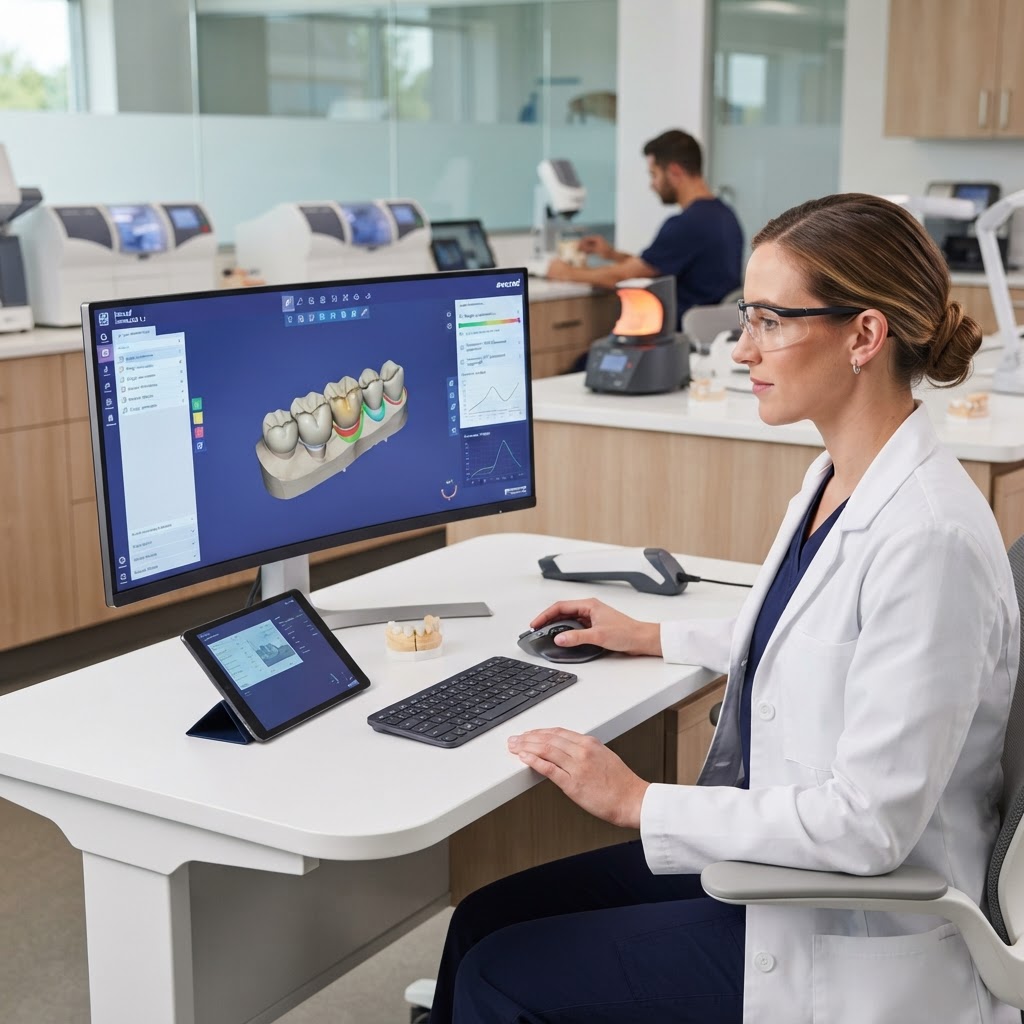
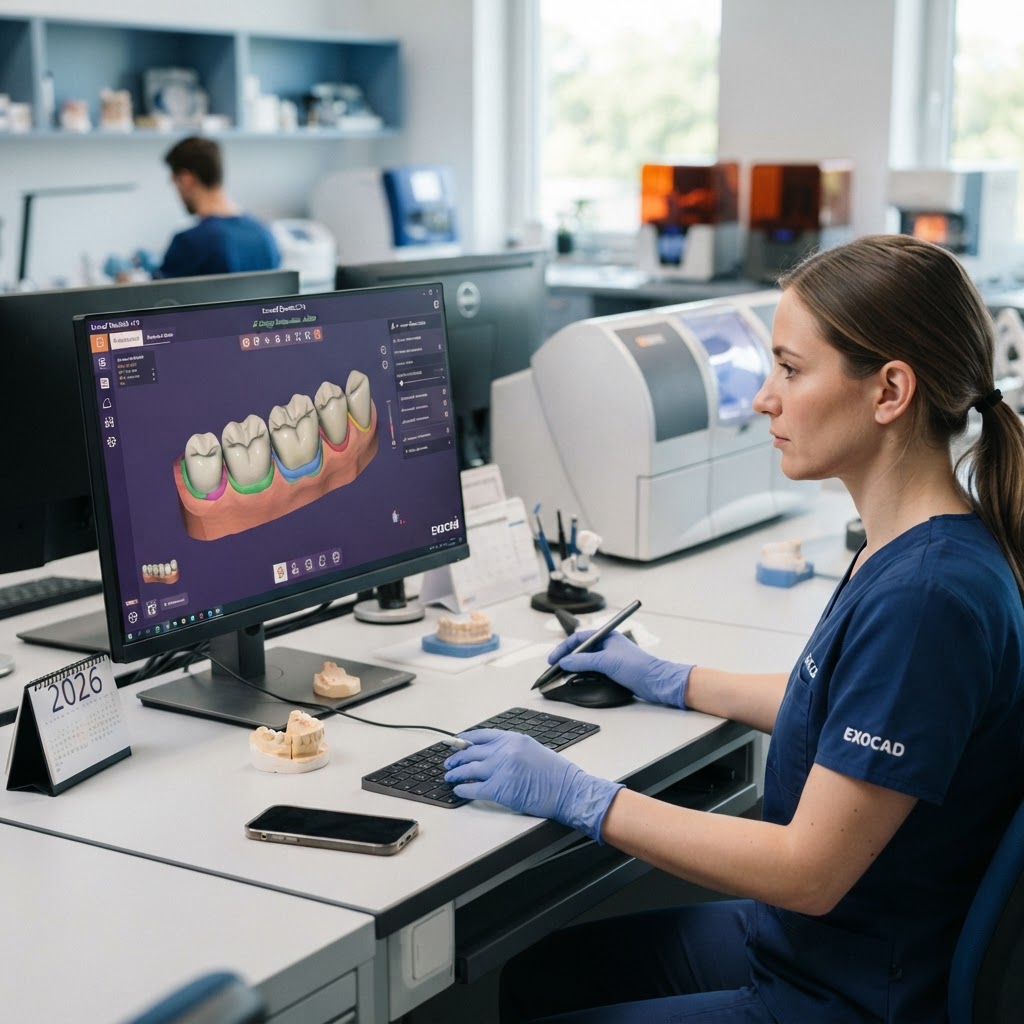
Exocad remains the undisputed titan of dental design software, and the 2026 release has introduced features that were once considered science fiction. The most significant advancement is the integration of the 'Biometric Generative Engine.' Unlike previous versions that relied on library-based tooth shapes, the 2026 engine analyzes the patient’s remaining dentition, age-related wear patterns, and even TMJ movement data from digital facebows to generate a truly unique, patient-specific morphology.
Key Features of the New Exocad Release
- Real-Time AI Margin Detection: The software now predicts margin lines with 99.8% accuracy by analyzing tissue density and shadow patterns in intraoral scans, reducing the need for manual adjustments to seconds.
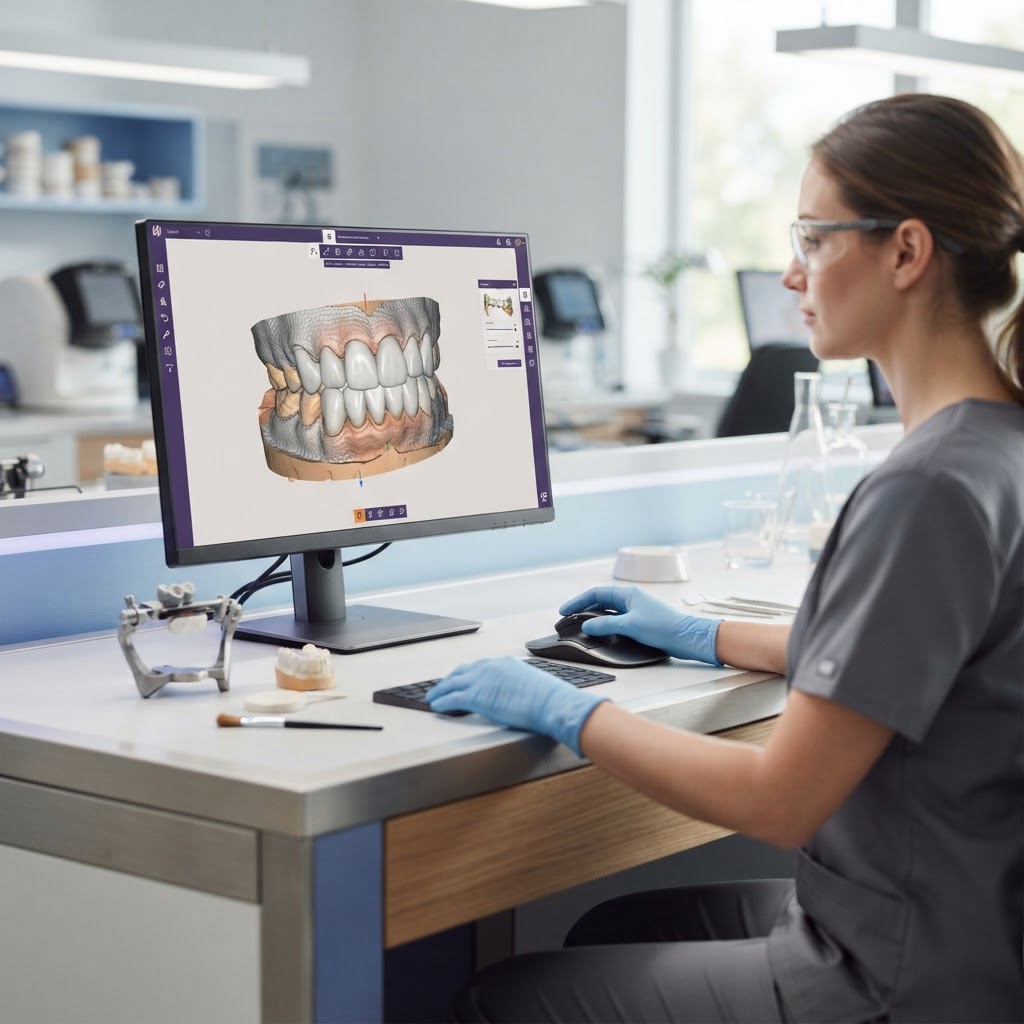
- Dynamic Occlusion Autopilot: Utilizing cloud-based bite simulation, the software automatically adjusts contacts based on the patient's specific envelope of function, virtually eliminating the need for intraoral adjustments at the chairside.
- Seamless Multi-Platform Sync: A refined ecosystem allows for instantaneous collaboration between the clinician and the technician, with changes made in the design software reflecting on the clinic’s tablet interface in real-time.
The Rise of Full-Scale Design Automation
Automation in 2026 has moved beyond simple macros. We are now seeing the implementation of 'Zero-Click' workflows for standard posterior units. For a single-unit crown, the process is now almost entirely autonomous: the software identifies the preparation, selects the material based on the laboratory’s inventory and the prep's clearance, and generates a final design ready for milling before the technician even opens the case folder. This level of automation allows senior technicians to focus their expertise on complex, multi-unit aesthetic cases where artistic nuance is paramount.
The Role of Neural Networks in Restorative Esthetics
The core of 2026 design automation is the neural network. By training on vast datasets of natural tooth anatomy, these systems can now mimic the subtle complexities of enamel perikymata and internal dentin structures. When combined with multi-layered zirconia or 3D-printed resins, the software provides a blueprint for the milling machine that ensures the final restoration has a life-like translucency and texture that was previously only achievable through hours of manual layering.
Actionable Insights for Modern Dental Laboratories
Adopting these new technologies requires more than just a software subscription. To fully leverage the power of 2026 CAD/CAM updates, labs must consider the following:
- Hardware Upgrades: The 2026 AI engines require significant local processing power. Transitioning to high-performance workstation GPUs is essential to prevent latency during generative design processes.
- Cloud-First Infrastructure: With file sizes increasing due to high-resolution texture mapping and 4K intraoral scans, a robust cloud storage and backup solution is no longer optional.
- Staff Re-skilling: The role of the technician is shifting from a 'designer' to an 'editor.' Training should focus on understanding AI outputs and verifying anatomical accuracy rather than manual tooth positioning.
Interoperability and the Open Ecosystem
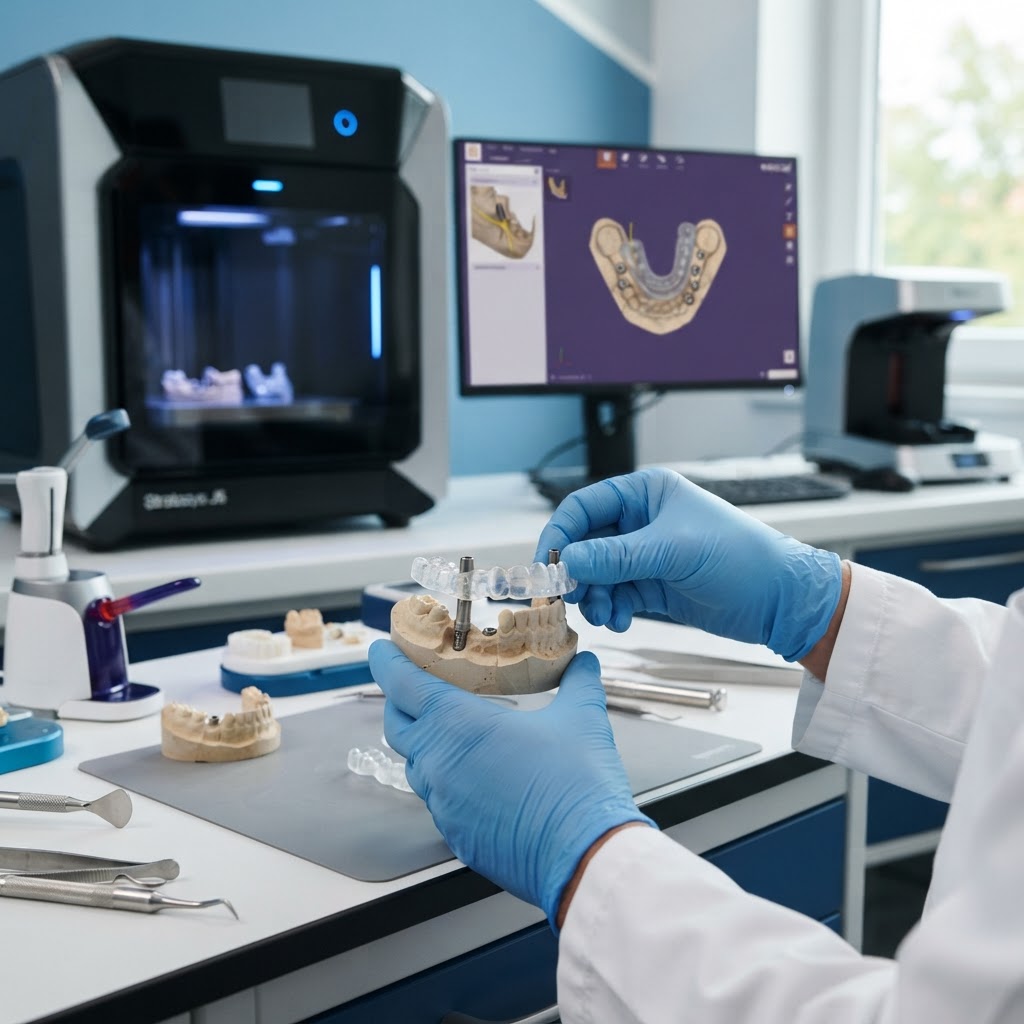
One of the most refreshing trends in 2026 is the renewed commitment to open-source file formats. While proprietary ecosystems still exist, the industry has largely moved toward a universal standard that allows design data to flow seamlessly into any milling unit or 3D printer without loss of metadata. This interoperability ensures that labs can choose the best hardware for specific indications without being locked into a single manufacturer’s pipeline.
Conclusion: The Future is Automated
The advancements in CAD/CAM software and Exocad features in 2026 represent a monumental leap forward for dental restorative design. By embracing automation, neural-network-driven esthetics, and seamless cloud collaboration, dental laboratories can achieve levels of precision and efficiency that were previously unimaginable. As we look toward the future, the goal remains the same: providing patients with restorations that are as functional as they are beautiful. For labs ready to lead, the time to integrate these tools is now. Stay ahead of the digital curve and ensure your practice or lab is equipped for the next generation of dentistry.
Interested in upgrading your lab's digital workflow or curious about how these 2026 updates can benefit your clinic? Contact Cosmetic Smile Studio today to learn more about our state-of-the-art digital dental solutions.