The Digital Renaissance: Dental Design in 2026
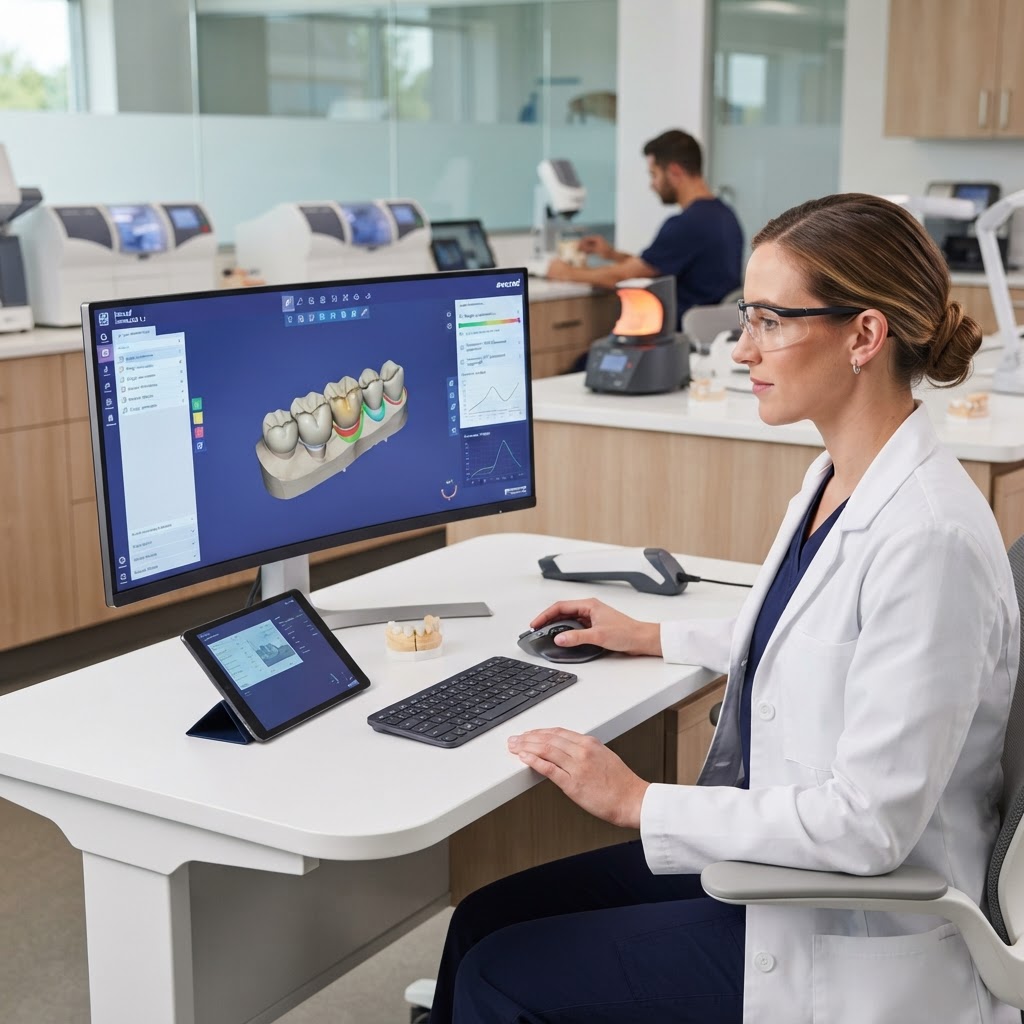
The dental laboratory industry has reached a pivotal junction in 2026. The transition from traditional workflows to comprehensive digital ecosystems is no longer a trend—it is the baseline for competitive excellence. As clinicians demand higher throughput and patients expect nearly instantaneous esthetic results, the burden of performance falls on the CAD/CAM software that powers our production. This year’s software updates focus on a singular, powerful core philosophy: minimizing manual interaction while maximizing clinical predictability through intelligent automation.
Exocad 2026: Elevating the Standard of Virtual Artistry
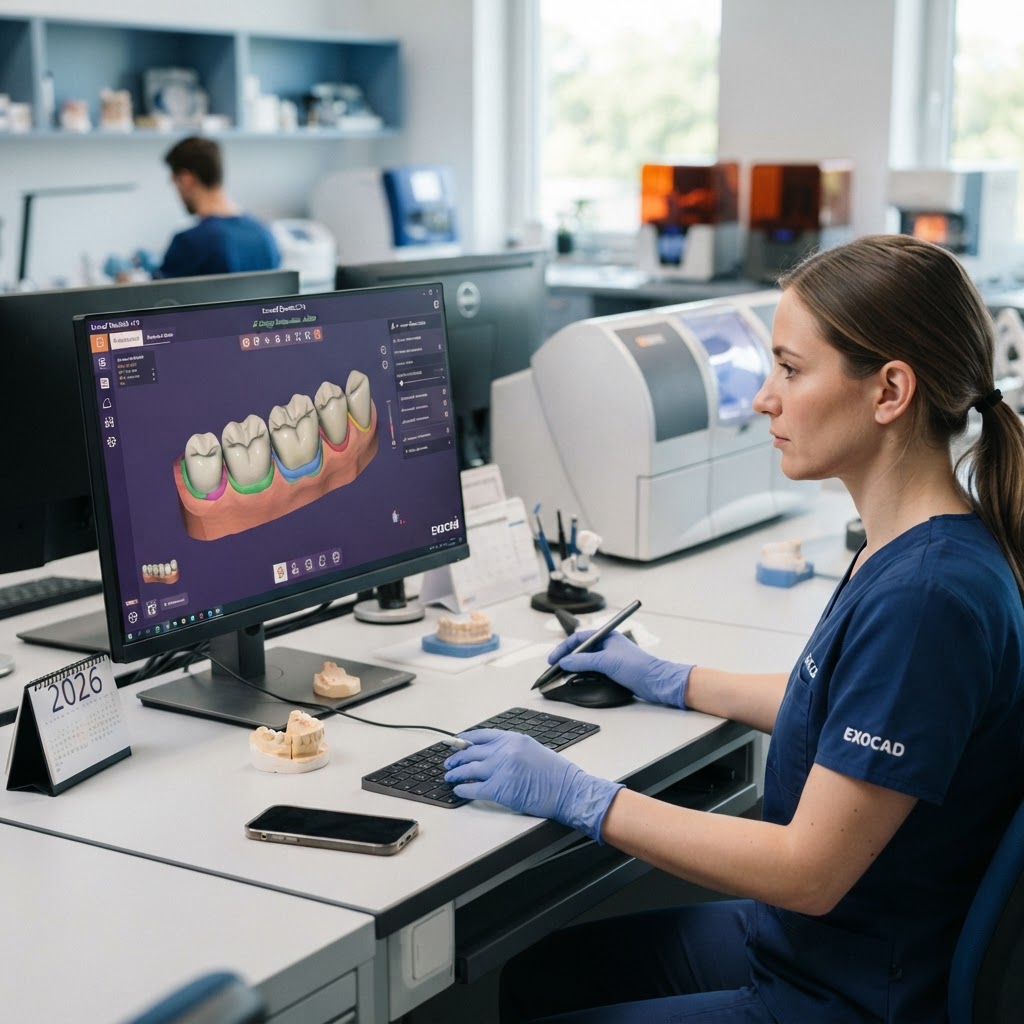
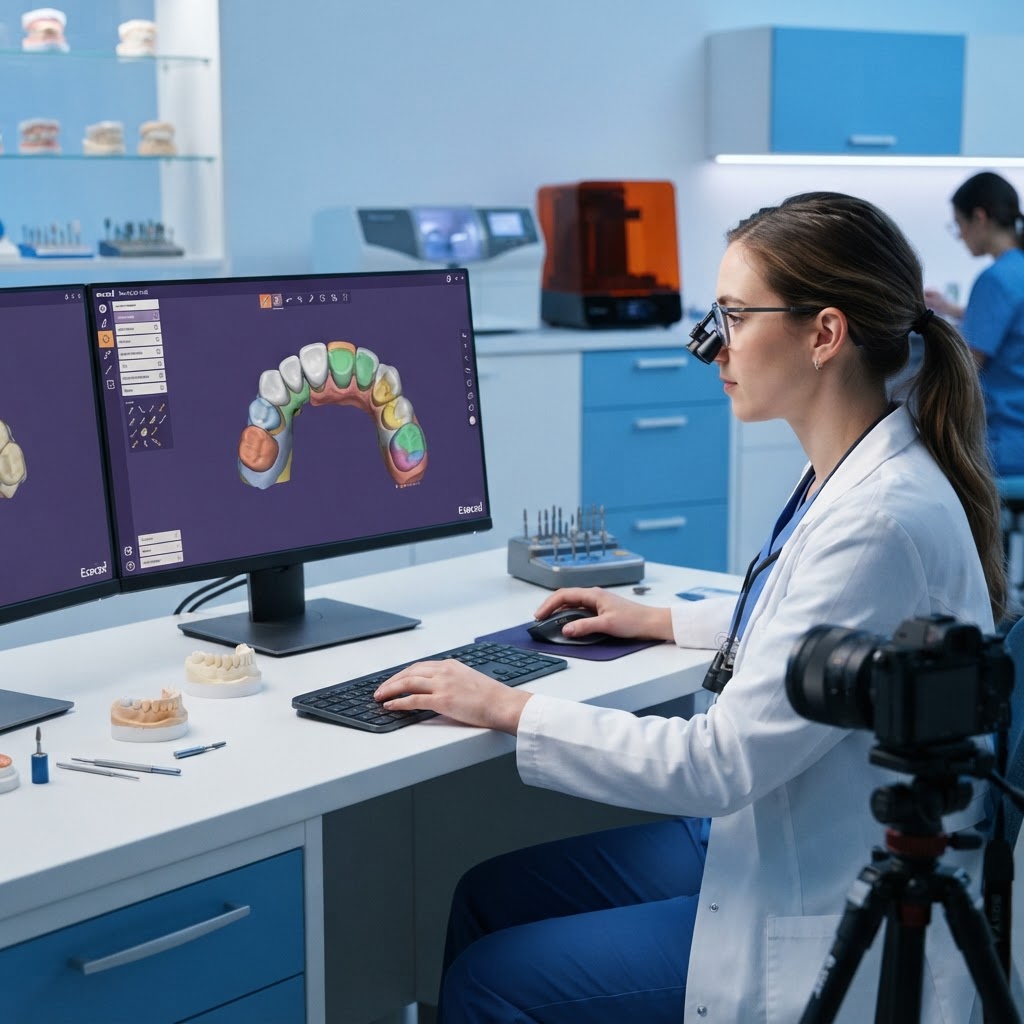
Exocad has long been the gold standard for open-architecture dental design, and the 2026 updates have pushed the envelope further than ever before. The latest release introduces features that blur the line between human intuition and machine precision. One of the most significant additions is the Gen-3 Smile Creator, which now utilizes deep-learning algorithms to analyze the patient's facial scanned data automatically. It doesn't just suggest tooth positions; it interprets lip dynamics and phonetics to propose a functional setup that requires minimal adjustment.
Key Features in the 2026 Exocad Ecosystem:
- Instant Bio-Copy: Using a massive database of natural dentition, the software can now recreate missing morphology by analyzing the remaining teeth with 99% anatomical accuracy, ensuring the restoration looks and functions like the original tooth.
- Haptic-Ready Design: For technicians who miss the tactile feel of wax, new integrations with haptic input devices allow for a 'physical' sculpting experience within the digital space, offering the best of both worlds.
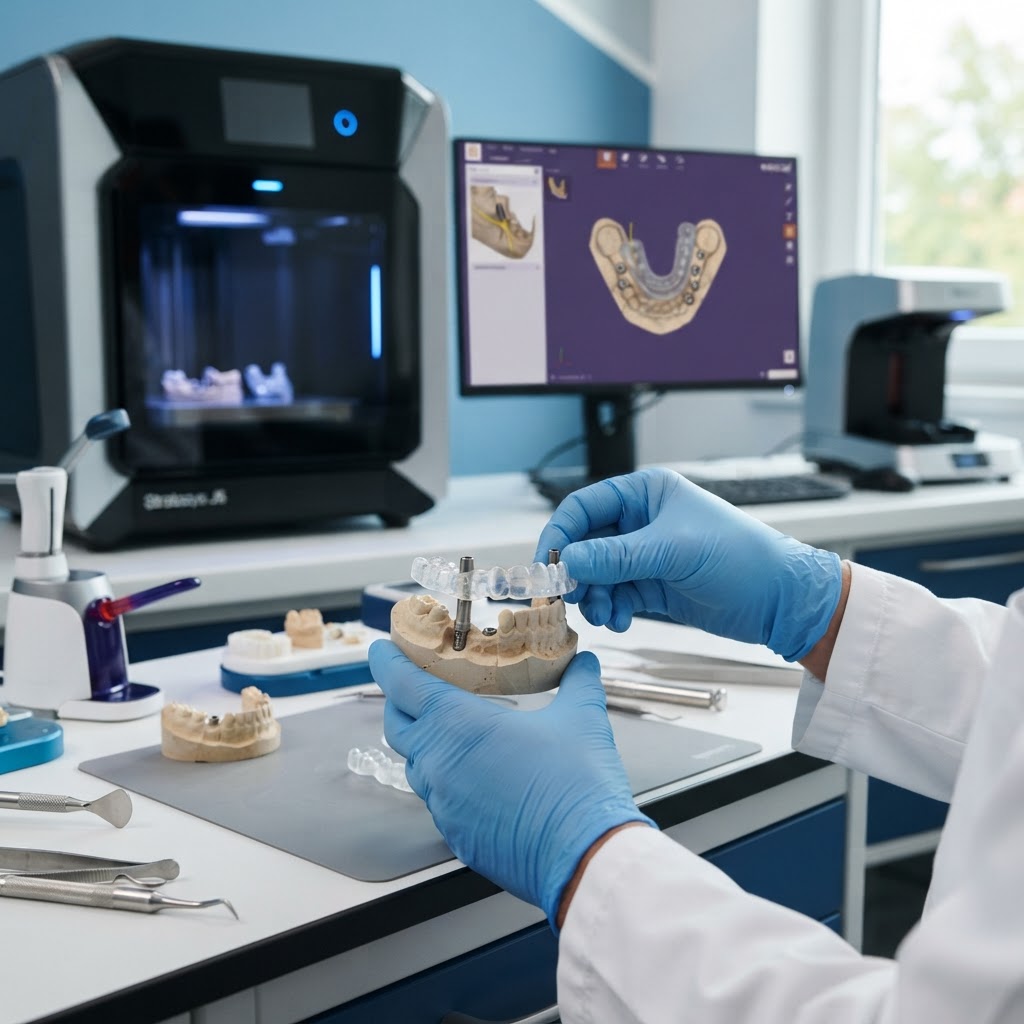
- Automated Multi-Unit Alignment: Complex full-arch cases that previously took hours can now be aligned in minutes. The software automatically identifies implant interfaces and suggests optimal screw-channel trajectories based on the final prosthetic design.
- Real-Time Milling Validation: As you design, the software runs a background simulation of the milling process. If a connector is too thin or a margin is too sharp for a 0.6mm bur, the system alerts the technician instantly, preventing failed prints or remakes.
The Rise of Design Automation and AI
Automation in 2026 has moved beyond simple macros. We are now seeing the implementation of Autonomous Margin Detection (AMD). By leveraging neural networks trained on millions of successful cases, the software can identify the preparation margin on a digital impression with higher consistency than most human operators, especially in subgingival or blood-obscured areas. This doesn't replace the technician; it frees them to focus on the high-level esthetic finishing that machines cannot yet replicate.
Furthermore, Predictive Occlusal Adjustment has revolutionized how we handle functional movements. Rather than manually running virtual articulators, the AI predicts wear patterns and potential interferences based on the patient's specific mandibular kinematics, automatically 'milling' the digital design to ensure a perfect bite upon delivery.
Streamlining the Clinic-to-Lab Communication
The 2026 CAD/CAM updates emphasize the 'Connected Lab.' Cloud-based platforms now allow for real-time collaboration. A technician can adjust a design while the clinician still has the patient in the chair, providing immediate feedback on tooth prep space or margin clarity. This level of integration reduces the 'remake rate' to near zero and fosters a partnership that transcends the traditional vendor-customer relationship.
Actionable Insights for Modern Labs:
- Invest in Training: With software evolving this rapidly, a quarterly training schedule for your design team is essential to leverage the full suite of automation tools.
- Upgrade Your Hardware: The AI-heavy computations of 2026 software require robust GPUs. Ensure your workstations are optimized to prevent bottlenecks.
- Focus on Data Hygiene: Automation is only as good as the data it receives. Work closely with your clinical partners to ensure intraoral scans are captured with high-fidelity settings.
Conclusion: The Future is Automated
The advancements in 2026 CAD/CAM software and Exocad features represent a monumental shift for dental technicians. By embracing design automation, labs can scale their production without sacrificing the artisan quality that defines premium dental work. The goal is no longer just to 'go digital,' but to master the intelligent tools that allow for a more efficient, predictable, and profitable laboratory environment. As we move forward, the most successful laboratories will be those that view AI not as a threat, but as the ultimate assistant in the quest for the perfect smile.
Ready to elevate your lab’s digital capabilities? Contact Cosmetic Smile Studio today to learn how our advanced milling and design services can integrate with your 2026 workflow.