The Evolution of Precision in Implant Dentistry
The standard of care in modern implant dentistry has shifted from conventional, free-hand placement to highly predictable, digitally guided protocols. For dental laboratories and clinics, the ability to translate a virtual treatment plan into a physical surgical guide is the cornerstone of clinical success. By leveraging intraoral scanning, CBCT integration, and additive manufacturing, dental professionals can now achieve coronal deviations below 0.5 mm and angular errors under 3°, meeting the rigorous demands of contemporary implantology.
Integrating the Digital Workflow
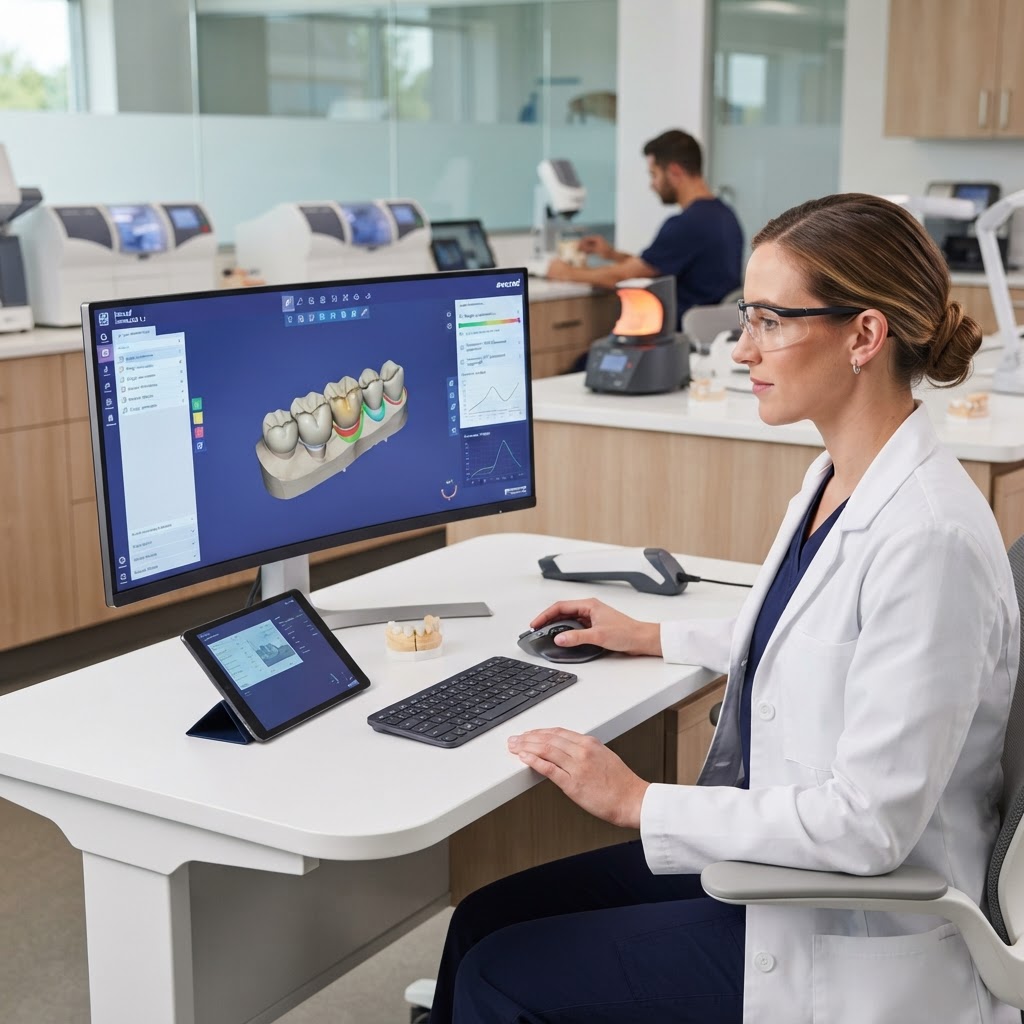
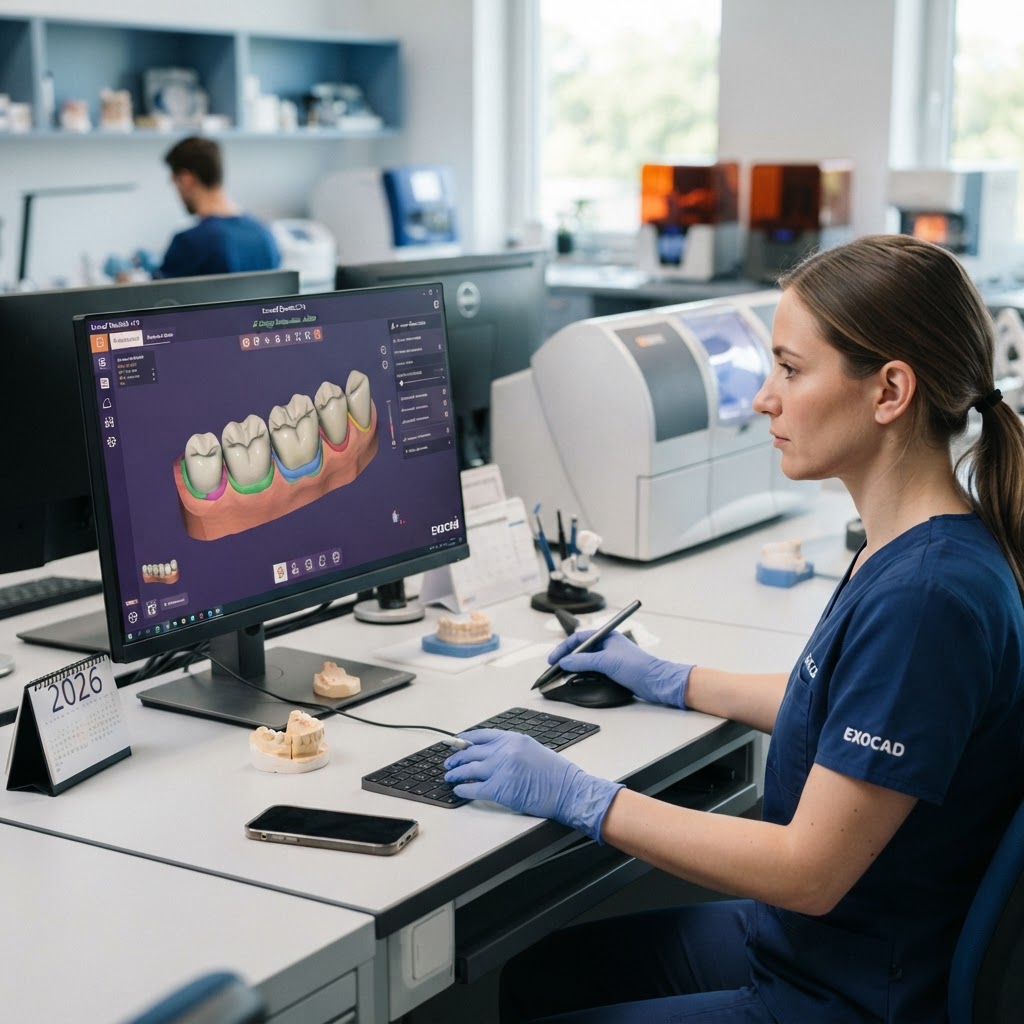
A seamless digital workflow is essential for maintaining accuracy from the initial scan to the final surgical execution. The process begins with the fusion of high-resolution CBCT data and intraoral scans, allowing for precise virtual implant positioning relative to both anatomical structures and the desired prosthetic outcome. Key steps in this integration include:
- Data Acquisition: Utilizing high-accuracy intraoral scanners to capture soft tissue and dentition, which are then merged with DICOM files from CBCT imaging.
- Virtual Planning: Using specialized software to determine the optimal implant trajectory, ensuring adequate bone volume and prosthetic space.
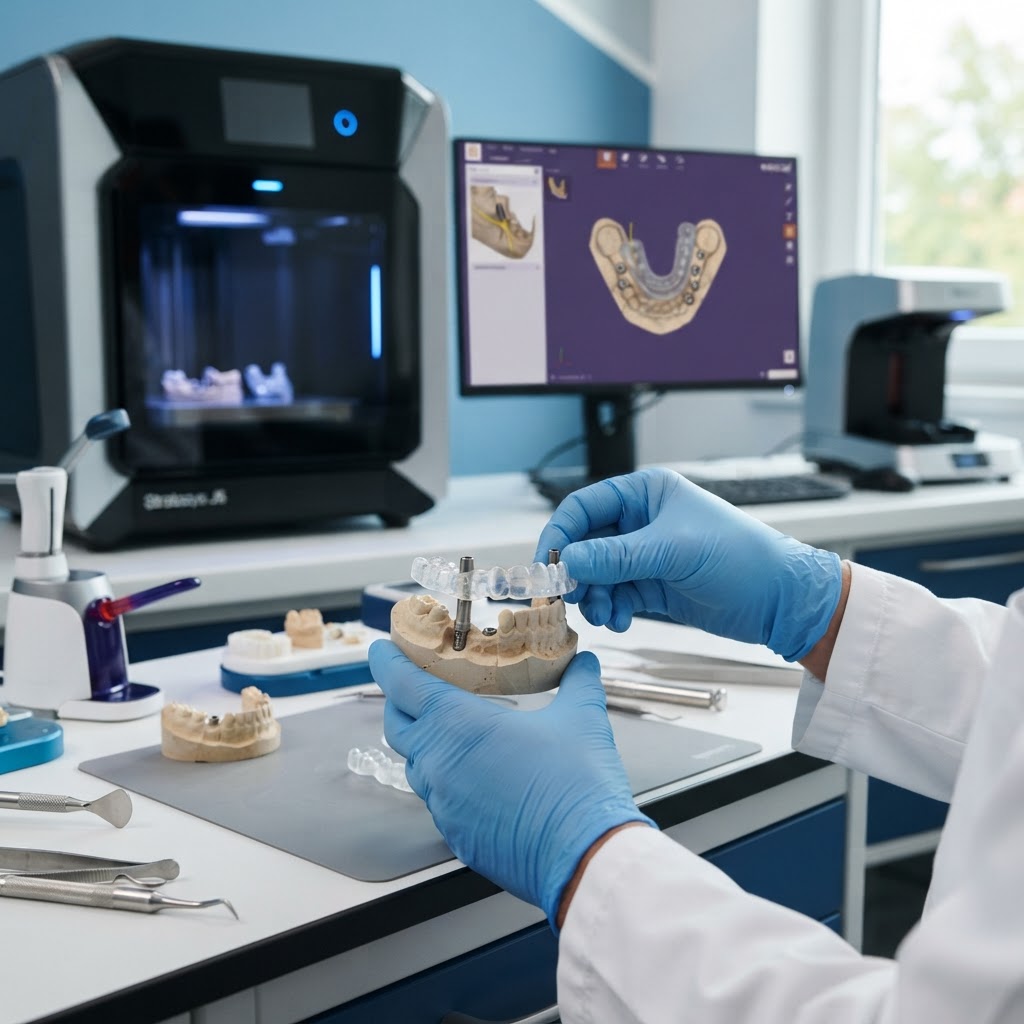
- Guide Design: Designing the surgical guide with appropriate support—whether tooth, tissue, or bone-supported—to ensure stability during the osteotomy.
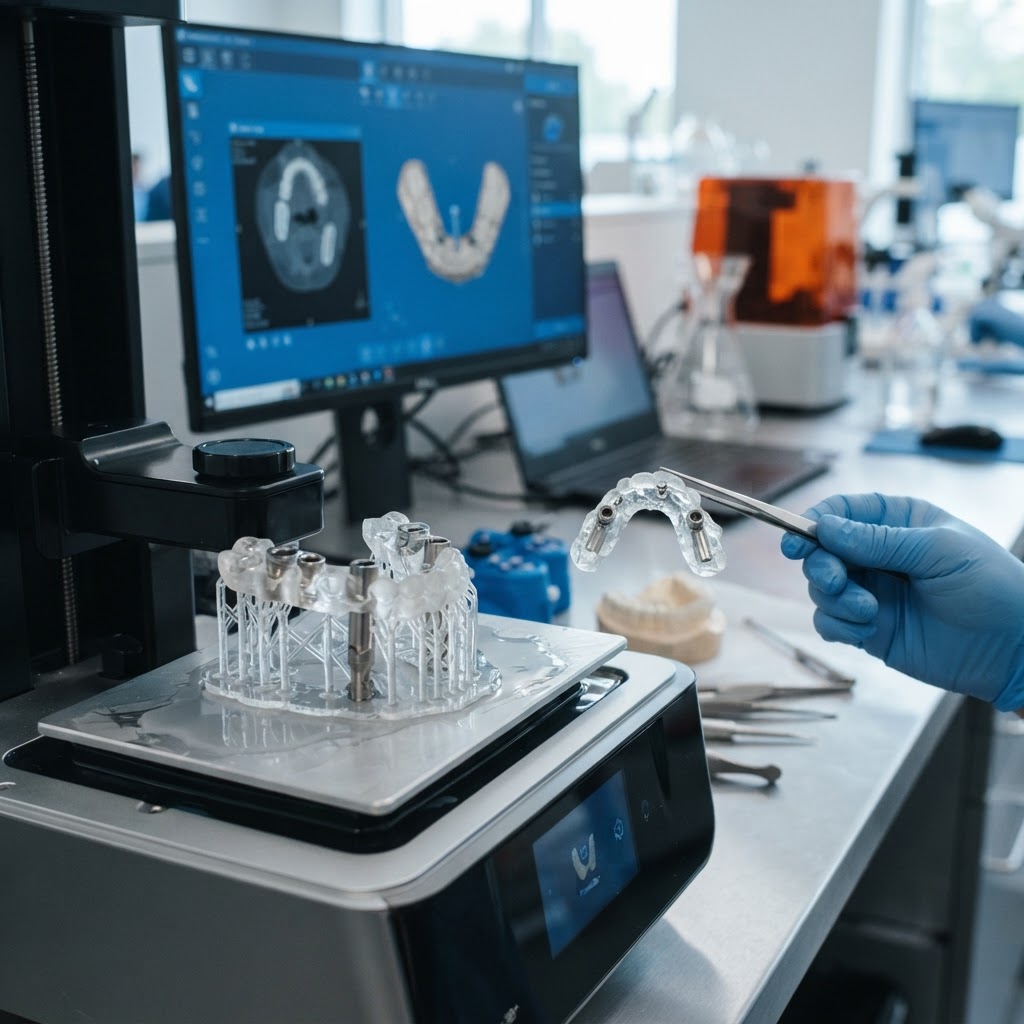
- Additive Manufacturing: Employing high-precision 3D printers to fabricate the guide using biocompatible, sterilizable resins.
3D Printing vs. Milling: Why Additive Wins
While subtractive milling has its place in restorative dentistry, 3D printing has become the preferred method for surgical guide fabrication. Additive manufacturing offers superior cost-efficiency, faster turnaround times, and the ability to create complex, sleeve-free geometries that are difficult to achieve with milling. Furthermore, high-resolution DLP and PolyJet technologies provide the dimensional stability required for repeatable, surgery-ready devices.
Practical Insights for Labs and Clinics
To maximize accuracy and minimize clinical risk, labs should focus on the following best practices:
- Printer Calibration: Regularly calibrate your 3D printer to ensure layer consistency and dimensional accuracy across all builds.
- Material Selection: Use only FDA-registered, biocompatible resins specifically designed for surgical guide applications to ensure patient safety and regulatory compliance.
- Post-Processing: Adhere strictly to manufacturer-recommended washing and curing cycles to prevent material distortion and ensure the guide maintains its fit on the patient's anatomy.
- Communication: Maintain clear, documented communication with clinicians regarding implant brands, platform heights, and restorative space to reduce design iterations.
The Future of Guided Surgery
As we look toward the future, the integration of AI-driven planning and dynamic navigation will further enhance the precision of implant placement. However, the foundation remains the same: a robust, well-executed digital workflow. By mastering these technologies, dental labs can provide clinicians with the tools necessary to reduce surgical time, minimize postoperative discomfort, and deliver highly predictable prosthetic results.
Conclusion
Achieving excellence in implant dentistry requires a commitment to digital precision. By optimizing your 3D printing workflows and embracing integrated digital planning, you can elevate the standard of care for your patients. Ready to streamline your implant production? Contact our technical support team today to discuss how we can help you refine your digital workflow and improve your surgical outcomes.