The Paradigm Shift in Guided Implant Surgery
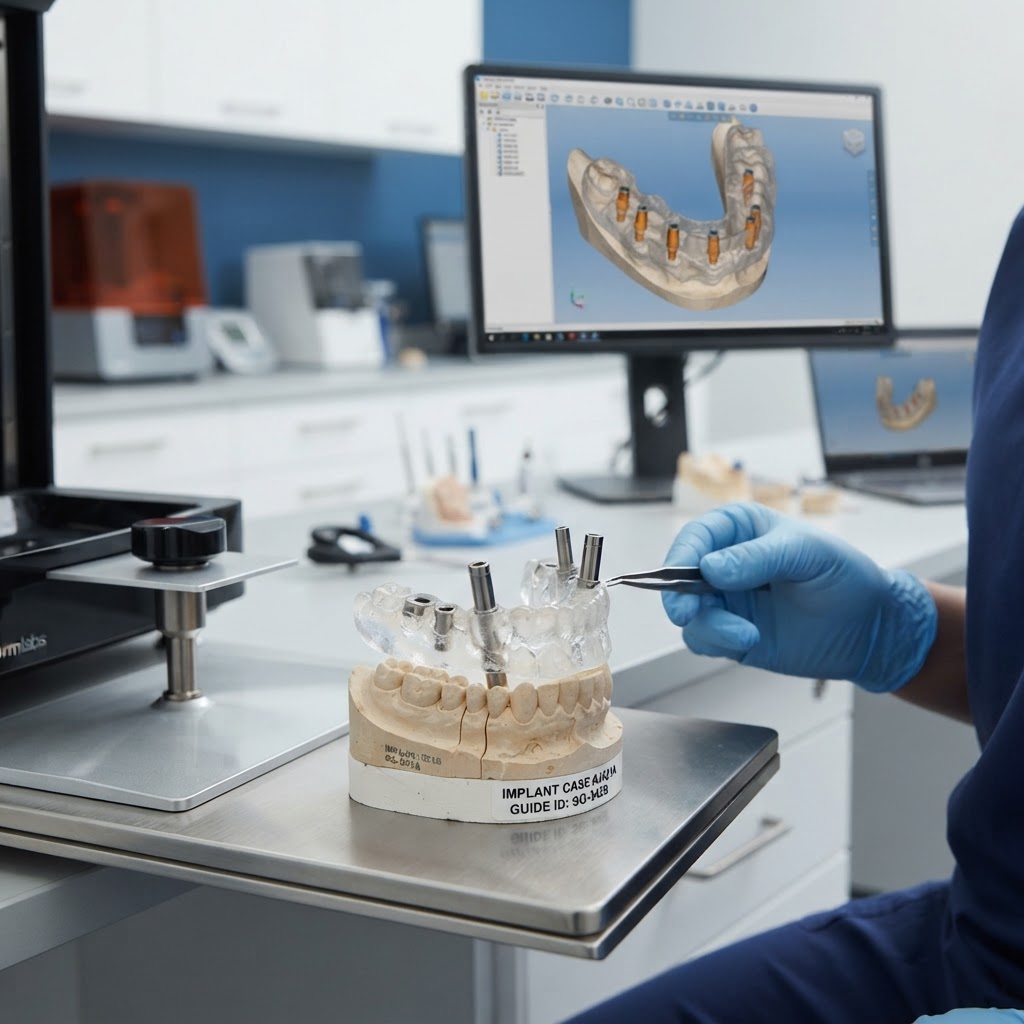
The transition from freehand implant placement to guided surgery represents one of the most significant advancements in modern restorative dentistry. Historically, surgical success was largely dependent on the clinician’s experience and 'surgical intuition.' Today, the integration of high-resolution 3D printing and sophisticated digital workflows has shifted the focus toward predictable, data-driven execution. However, the efficacy of a surgical guide is not guaranteed by the technology alone; it is the result of meticulous calibration, material science, and seamless communication between the clinic and the dental laboratory.
The Foundation: High-Fidelity Data Acquisition
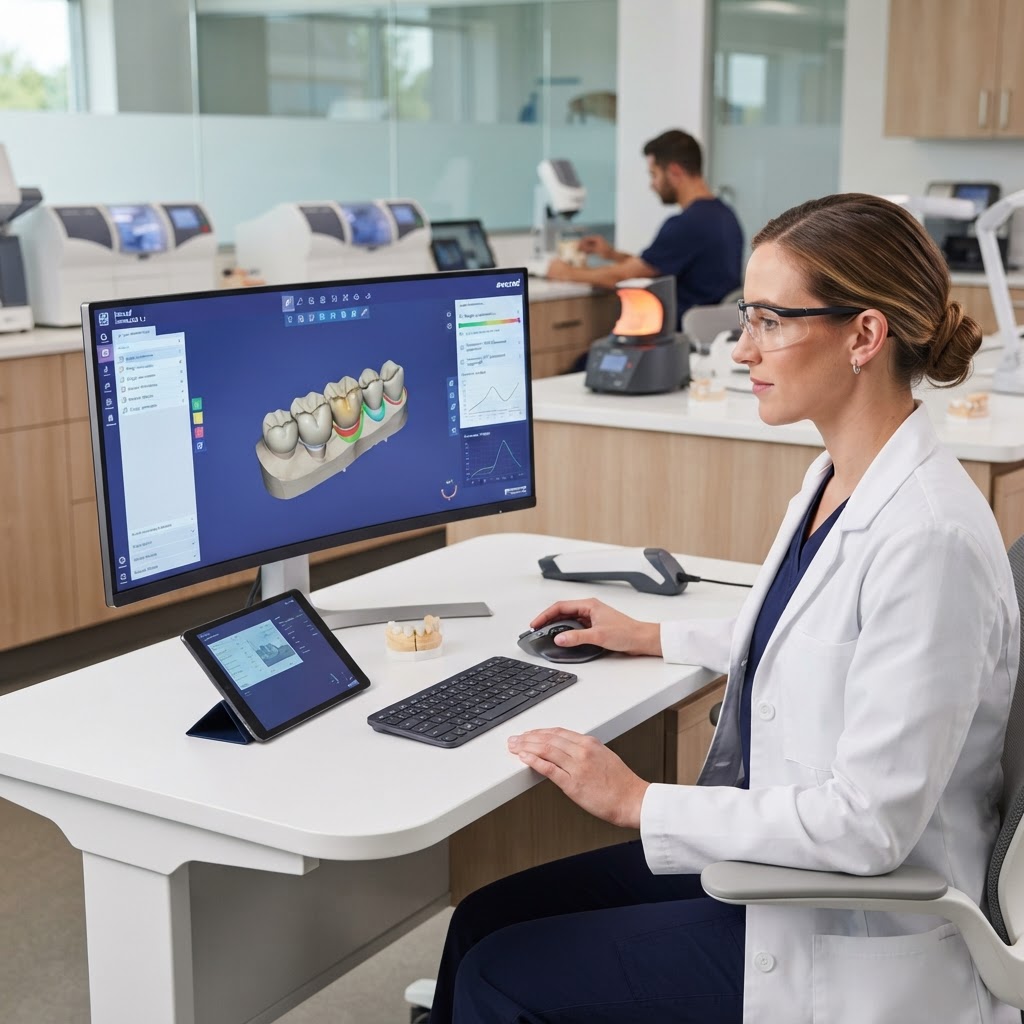
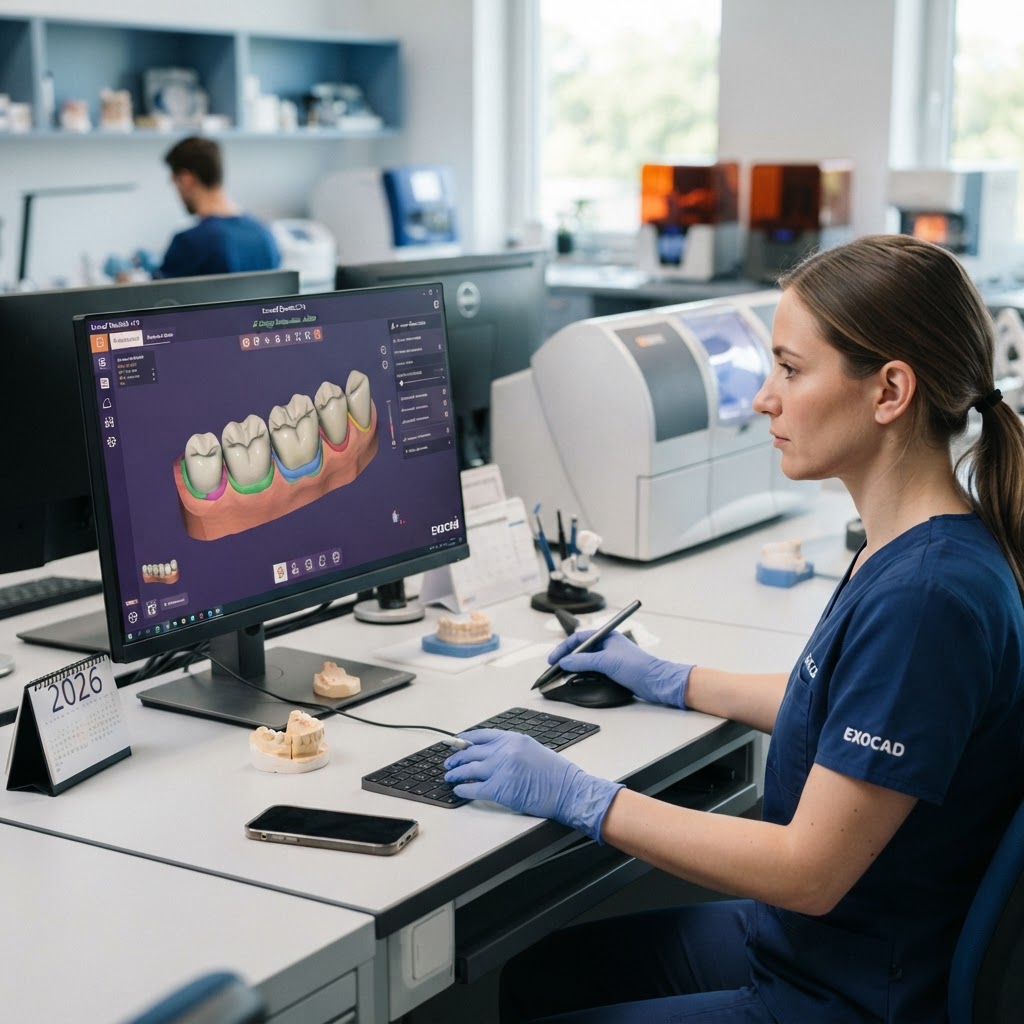
Every accurate surgical guide begins with the 'Digital Triad': Cone Beam Computed Tomography (CBCT), Intraoral Scanning (IOS), and CAD design software. The accuracy of the final guide is inextricably linked to the quality of these initial inputs.
- CBCT Accuracy: Hard tissue data must be captured with a field of view (FOV) that provides adequate anatomical context without excessive radiation. Motion artifacts or poor resolution in the DICOM files can lead to inaccuracies in the final guide seating.
- Intraoral Scanning: Soft tissue and dentition data (STL/PLY files) provide the surface detail necessary for the guide to seat firmly. Inaccurate scans, often caused by blood, saliva, or improper scanning technique in the posterior regions, are the leading cause of 'rocking' or ill-fitting guides.
- Digital Registration: The process of merging DICOM and STL files—often called 'mapping'—is where the prosthetic plan meets the biological reality. Misalignment at this stage cascades through the entire workflow, rendering even the most precisely printed guide useless.
The Mechanics of 3D Printing Accuracy
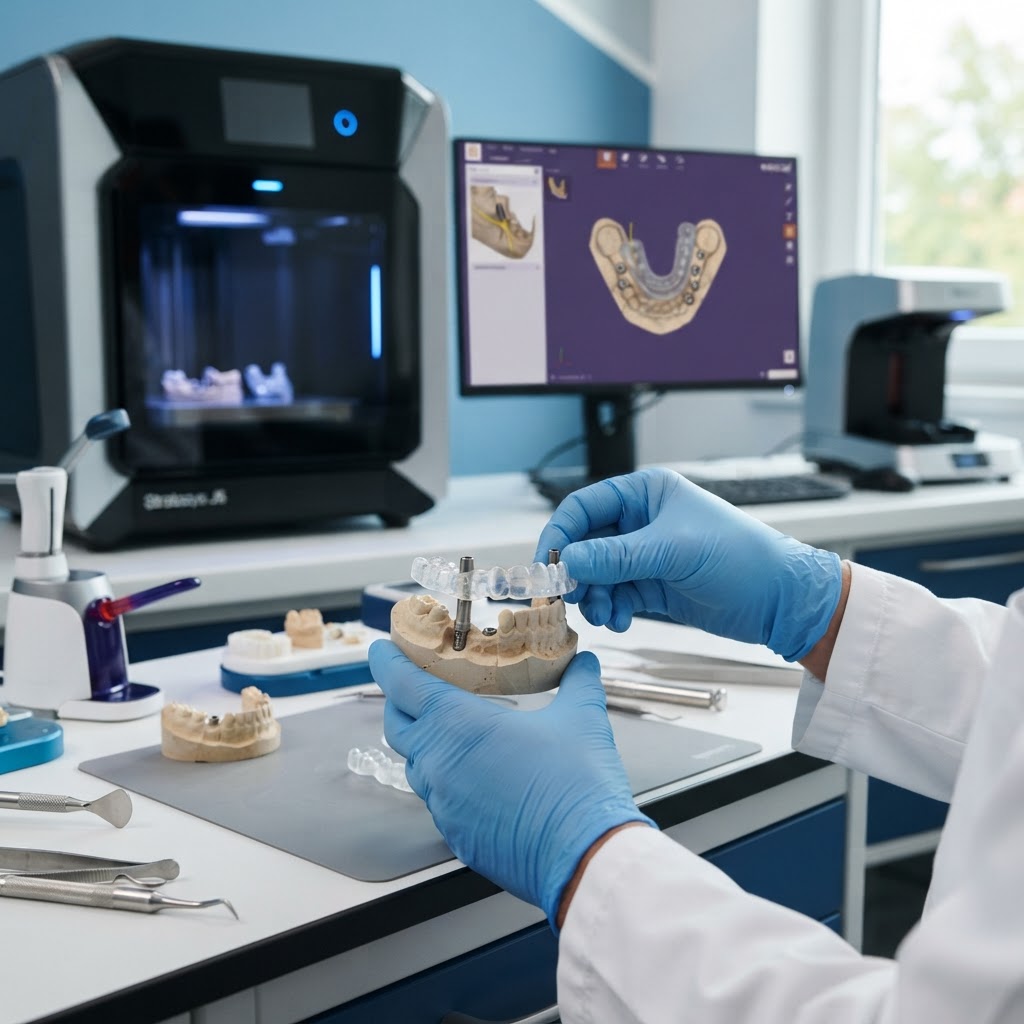
Once the design is finalized, the laboratory must translate a digital file into a physical medical device. This process involves several variables that influence the micron-level accuracy required for implant sleeves.
Printer Technology and Layer Resolution
While Stereolithography (SLA), Digital Light Processing (DLP), and Liquid Crystal Display (LCD) printers are all capable of producing surgical guides, their calibration profiles differ. For surgical guides, a layer thickness of 50 to 100 microns is generally considered the 'sweet spot.' Thinner layers may improve surface smoothness but can increase print time and the risk of cumulative error, while thicker layers may sacrifice the tight tolerances needed for metal sleeves.
Resin Selection and Material Science
Surgical guides require Class I or Class II biocompatible resins. These materials must exhibit high flexural strength and low shrinkage. During the polymerization process, resins naturally contract. Advanced dental laboratories account for this shrinkage by utilizing 'offset' settings in the slicing software, ensuring that the internal diameter of the guide holes remains perfectly calibrated for the drill sleeves.
Orientation and Support Structures
How a guide is oriented on the build plate significantly impacts its dimensional stability. Printing a guide at an angle (usually 45 to 60 degrees) can minimize the 'suction cup' effect and reduce the density of support structures on critical internal surfaces. Placing supports on the intaglio surface (the surface that touches the teeth) should be avoided at all costs, as removing them can create surface irregularities that prevent proper seating.
The Critical Role of Post-Processing
The accuracy of a surgical guide is often won or lost after the print is finished. Post-processing is a multi-step chemical and thermal procedure that stabilizes the resin.
- Alcohol Wash: Residual liquid resin must be thoroughly cleaned using Isopropyl Alcohol (IPA) or Tripropylene Glycol Monomethyl Ether (TPM). Over-soaking can cause the resin to soften and swell, while under-cleaning can leave sticky residue that affects the fit.
- UV Curing: This is the most critical step. Validated curing units use specific light wavelengths and heat to complete the polymerization process. This ensures the guide reaches its final mechanical properties and biocompatibility. Failure to cure according to the manufacturer's instructions can lead to dimensional warping over time.
Integrating the Digital Workflow: Clinic to Lab Synergy
For a dental practice, the transition to a digital workflow is not merely about buying a 3D printer; it is about establishing a repeatable system. Successful integration requires a 'Prosthetically Driven' philosophy. This means planning the final restoration first, then positioning the implant to support that restoration, and finally designing the surgical guide to achieve that position.
Cloud-based collaboration platforms have revolutionized this interaction. Laboratories can now share 3D planning files with clinicians in real-time, allowing for collaborative adjustments to the implant trajectory before the guide is ever printed. This feedback loop reduces errors, saves chair time, and enhances patient safety.
Conclusion
Surgical guide printing is the bridge between digital planning and clinical reality. By understanding the nuances of data acquisition, printer calibration, and post-processing, dental professionals can achieve unparalleled precision in implant dentistry. As technology continues to evolve, the laboratories that prioritize these technical details will be the ones that drive superior clinical outcomes and patient satisfaction.
Ready to elevate your implant surgery? Contact Cosmetic Smile Studio today to learn how our advanced digital workflow and precision 3D printing services can streamline your practice and improve your surgical success rates.