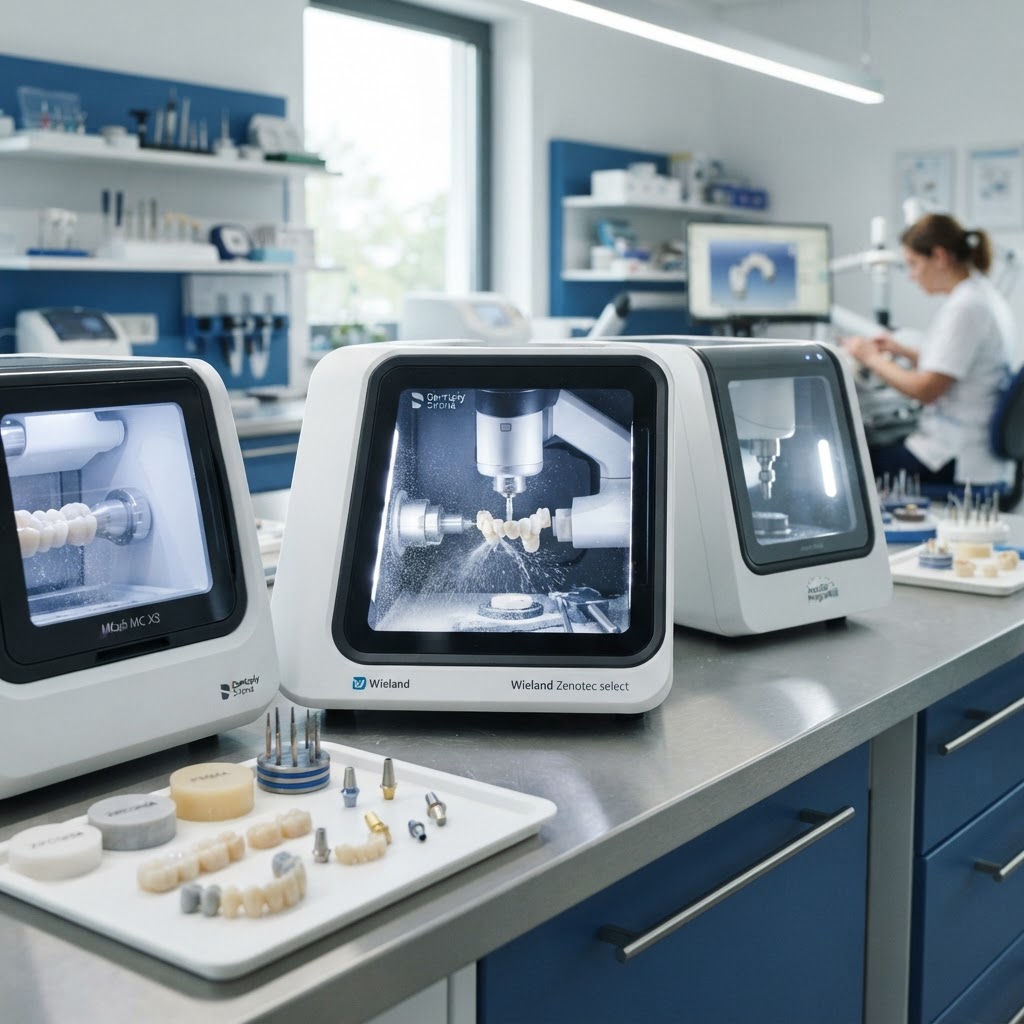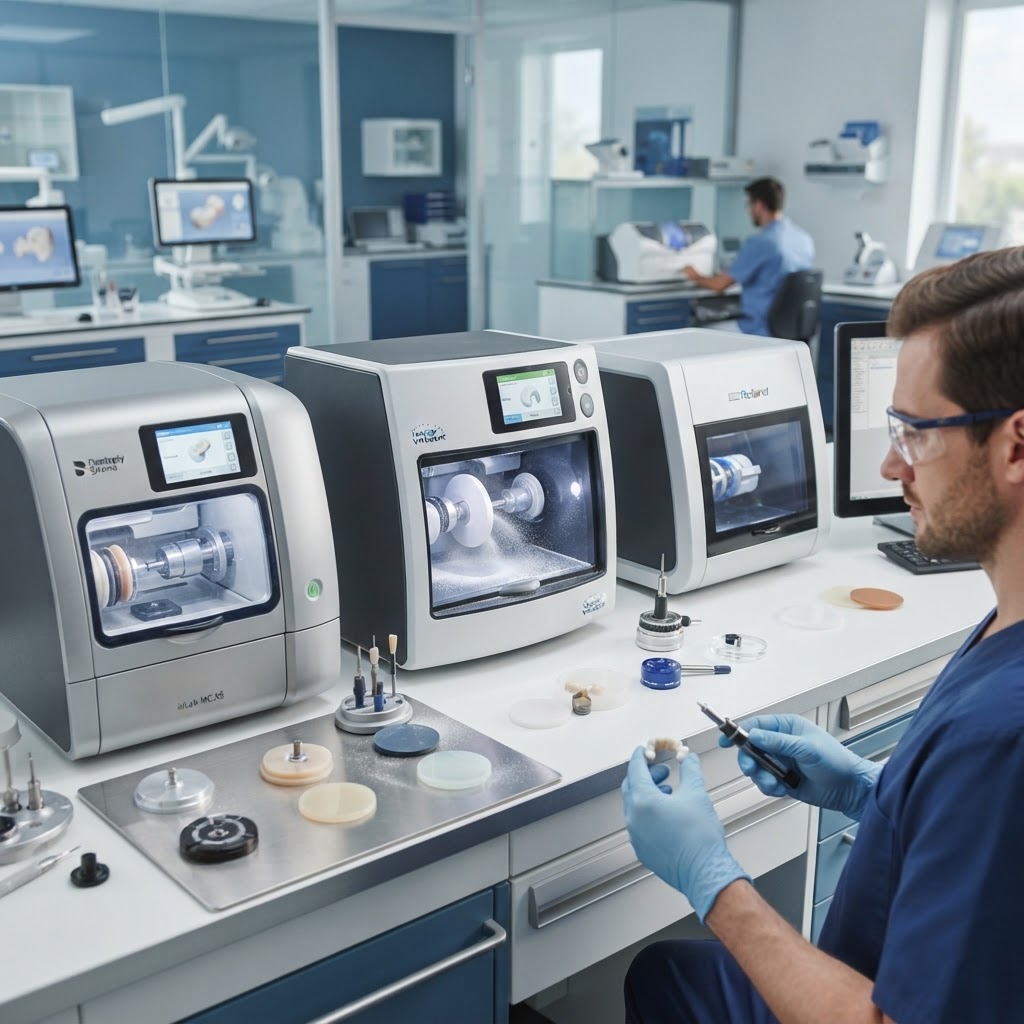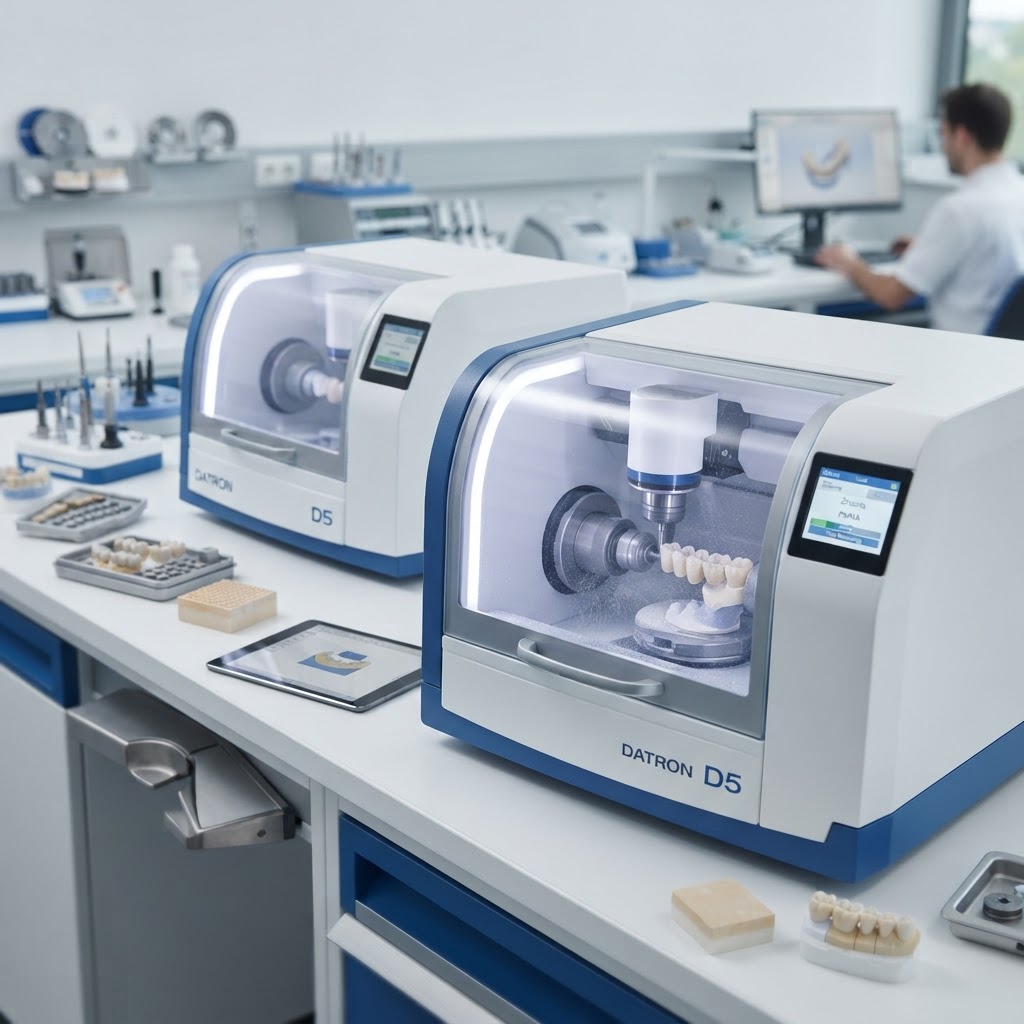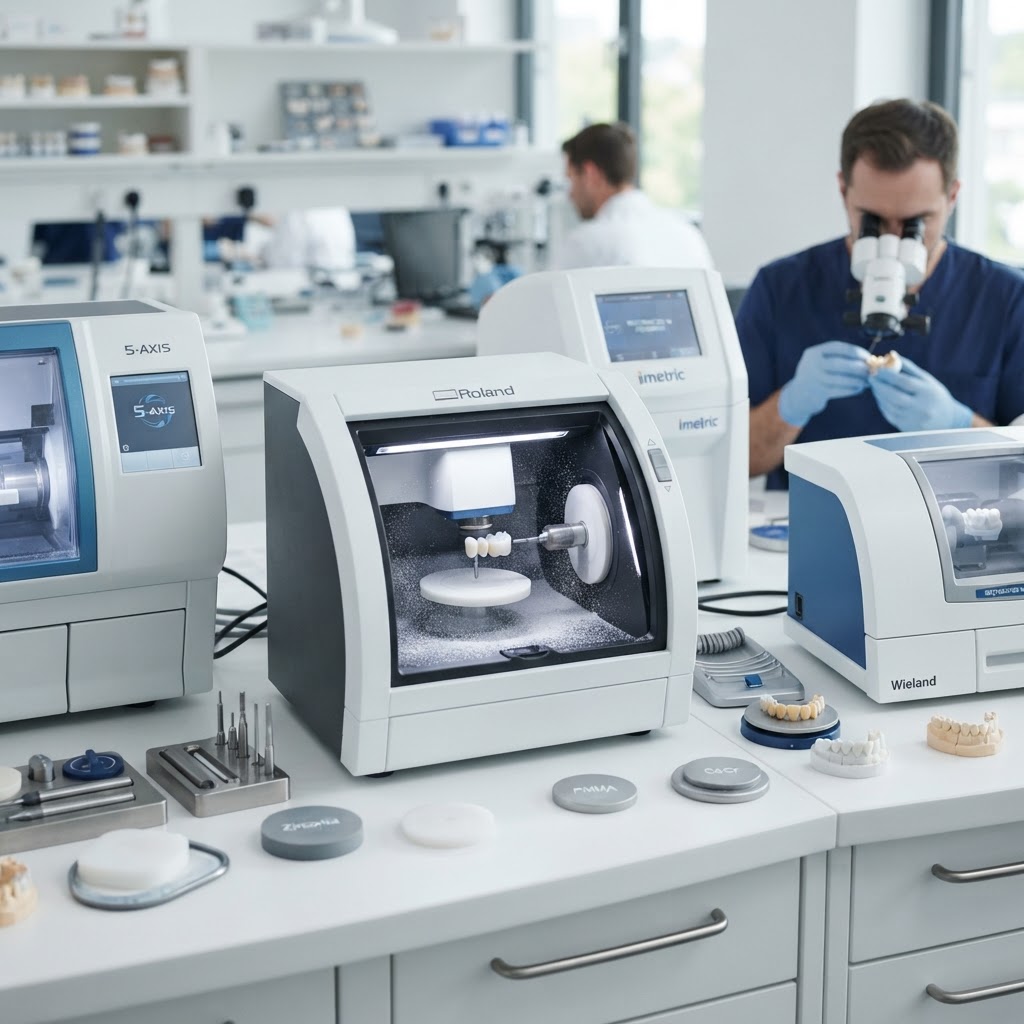
The Evolution of Precision: Why 5-Axis Milling Rules the Lab
In the rapidly advancing world of digital dentistry, the transition from traditional 3-axis or 4-axis units to sophisticated 5-axis dental milling machines represents more than just a marginal improvement in hardware. It marks a paradigm shift in how dental laboratories approach complex restorative cases. While 4-axis machines excel at standard crowns and bridges, the 5-axis architecture—incorporating the X, Y, and Z linear axes alongside the A and B rotational axes—unlocks the ability to mill deep undercuts, divergent abutments, and complex full-arch geometries with surgical precision. For the modern dental professional, understanding the nuances of these machines is the key to balancing aesthetic excellence with laboratory profitability.
The Mechanics of Five Axes: Precision and Geometric Freedom
The primary advantage of a 5-axis system lies in its ability to tilt and rotate the workpiece or the tool head simultaneously. This 'continuous 5-axis' movement allows the milling bur to maintain an optimal angle of attack relative to the restoration surface. For technicians and lab owners, this translates into several tangible benefits that impact the bottom line and the quality of the final prosthesis:
- Elimination of Manual Finishing: By reaching undercuts and interproximal areas that 3 or 4-axis machines simply cannot access, the need for time-consuming hand-finishing with a lab handpiece is drastically reduced. This ensures the digital design is perfectly translated to the physical restoration.
- Improved Surface Quality: Constant contact at the ideal tool angle minimizes vibration and 'chatter' marks. This results in smoother surfaces and better marginal fit, particularly crucial for high-translucency materials where internal reflections can highlight surface irregularities.
- Complex Indications: High-end 5-axis units are essential for manufacturing screw-retained bridges and implant-supported bars where non-parallel implant orientations are common. The B-axis tilt allows the machine to mill the screw channels at the precise angle required by the surgical placement.
Speed vs. Accuracy: The Spindle and Software Synergy
When comparing high-end milling machines, speed is often the headline metric, but for the premium dental lab, speed without accuracy is a liability. Modern machines from leaders like vhf, DGSHAPE (Roland), and Amann Girrbach utilize high-frequency spindles capable of speeds exceeding 60,000 RPM. However, the real secret to speed lies in the CAM software and the machine's 'look-ahead' capabilities. Advanced control units predict changes in direction and adjust feed rates in real-time to prevent tool breakage while maintaining maximum velocity. This synergy ensures that even high-translucency zirconia—which can be brittle in its green state—is milled rapidly without compromising the delicate margins of a veneer or a thin-walled crown. Furthermore, heavy-duty machine bases, often constructed from mineral casting or solid steel, dampen vibrations that can occur at high speeds, ensuring that 'fast' does not mean 'rough.'
Material Versatility: Navigating the Wet, Dry, and Hybrid Landscape
One of the most critical decisions for a lab manager is choosing between dry, wet, or hybrid milling capabilities. The choice is largely dictated by the material portfolio of the lab and the specific needs of their clinical partners:
- Dry Milling: Specifically optimized for Zirconia, PMMA, and wax. Dry milling is generally faster for these materials and requires significantly less maintenance, as there is no coolant to manage, filter, or replace. The use of high-volume vacuum systems ensures that fine zirconia dust does not interfere with the machine’s mechanical components.
- Wet Milling/Grinding: Essential for glass-ceramics (like lithium disilicate) and CAD/CAM composites. The coolant prevents overheating and prevents the propagation of micro-cracks in the friable ceramic structure. It is also the preferred method for milling metals like Titanium and Cobalt Chrome to manage the thermal load on the tool.
- Hybrid Systems: These versatile units can switch between wet and dry modes. While they offer the ultimate in flexibility, labs must consider the 'changeover time'—the thorough cleaning process required when moving from wet-grinding a ceramic block to dry-milling a zirconia disc—to avoid contaminating the zirconia with moisture or ceramic residue.
The ROI of Automation: Disc Changers and Tool Management
In an era where labor costs are rising, the profitability of a dental lab is tied directly to its level of automation. 5-axis machines equipped with automatic disc changers (ADCs) and multi-tool magazines allow for 'lights-out' manufacturing. A machine can be loaded with multiple types of zirconia and PMMA at the end of the day and continue producing throughout the night. Intelligent tool management systems track bur wear in real-time and automatically swap to a sister tool when a bur reaches its end-of-life, ensuring that accuracy never fluctuates during unattended operation. For high-volume labs, a machine that can run 24/7 with minimal human intervention provides a significantly faster return on investment (ROI) than a manual-load unit.
Integrating the 5-Axis Machine into the Digital Workflow
Ownership of a high-performance milling machine is only half the battle. Integration with open-architecture CAD software like exocad or 3Shape is vital. Premium 5-axis units now leverage IoT connectivity, allowing lab owners to monitor milling progress, tool life, and maintenance schedules from a smartphone or tablet. This connectivity reduces downtime and ensures that the laboratory’s most expensive asset is always performing at peak efficiency. When evaluating a new machine, consider the ecosystem: does the manufacturer provide validated milling templates for the materials you use? Is there a robust support network for when the spindle eventually requires service?
Conclusion: Investing in the Future of Your Lab
Selecting an advanced 5-axis milling machine is a foundational decision for any modern dental laboratory. By comparing precision, speed, and material capabilities, labs can choose a system that not only meets their current production needs but also scales with the future demands of digital dentistry. Whether you are prioritizing the aesthetic finish of glass-ceramics or the industrial throughput of full-contour zirconia, the 5-axis revolution provides the tools necessary to deliver exceptional patient outcomes. Ready to elevate your production and master the digital workflow? Contact Cosmetic Smile Studio today to learn more about our integrated digital solutions and how our milling expertise can support your practice's growth.